From Desert to Table: How Russia and the UAE Are Cultivating a New Era of Food Security with a BRICS Grain Exchange
On the golden rim of the Arabian Desert, where the skyline of Dubai pierces the heavens and the scent of spice markets mingles with the salty breeze of the Persian Gulf, a quiet revolution is brewing. It does not storm through the headlines of war or oil, but moves instead through the silent, ancient currents of grain and fertiliser. In a recent diplomatic dance, Russian officials and their counterparts in the United Arab Emirates have begun to weave a new tapestry of agricultural trade, one that promises to reshape the way food moves between continents. At the heart of this story is not just a deal, but a vision: a BRICS grain exchange that could become the beating heart of a new global food order.

The narrative begins with a simple yet profound truth: no nation can survive on oil alone. The UAE, a land of shimmering towers and man made islands, imports nearly 90 percent of its food. Russia, the vast northern giant, commands a fifth of the world’s grain exports and holds a near monopoly on critical fertilisers like potash and nitrogen. When these two worlds collide, the result is not just a transaction but a transformation. The discussions, as reported by Infobrics, centre on boosting Russian food and fertiliser exports to the Emirates while jointly developing a grain exchange that would service the entire BRICS bloc of Brazil, Russia, India, China, South Africa, and its newly expanded members.
Let us step back and feel the weight of this moment. For decades, global grain trading has been dominated by a handful of Western agribusiness giants, with pricing and logistics controlled from Chicago, London, and Geneva. The idea of an alternative exchange, one built by nations that together house nearly half the world’s population, sends ripples through the corridors of power. It is not merely an economic instrument; it is a statement of sovereignty, a declaration that food security cannot be left to the whims of geopolitics or the volatility of distant markets. The Russia UAE partnership, with its promise of steady fertiliser supplies and a streamlined grain trading platform, could be the cornerstone of a new agricultural architecture that is more resilient, more equitable, and more attuned to the needs of the Global South.
The Fertiliser Lifeline: Nourishing the Desert
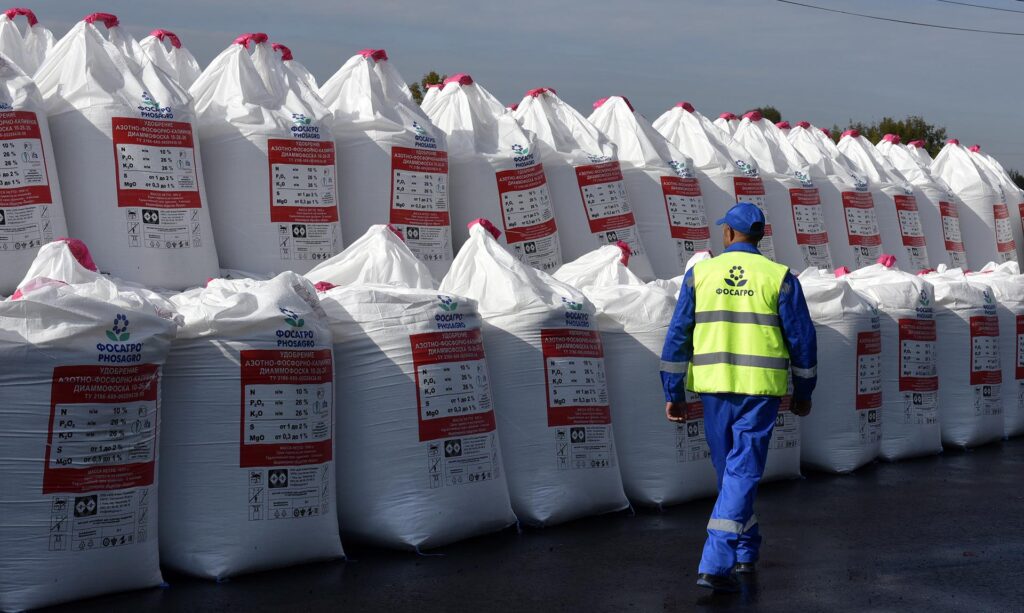
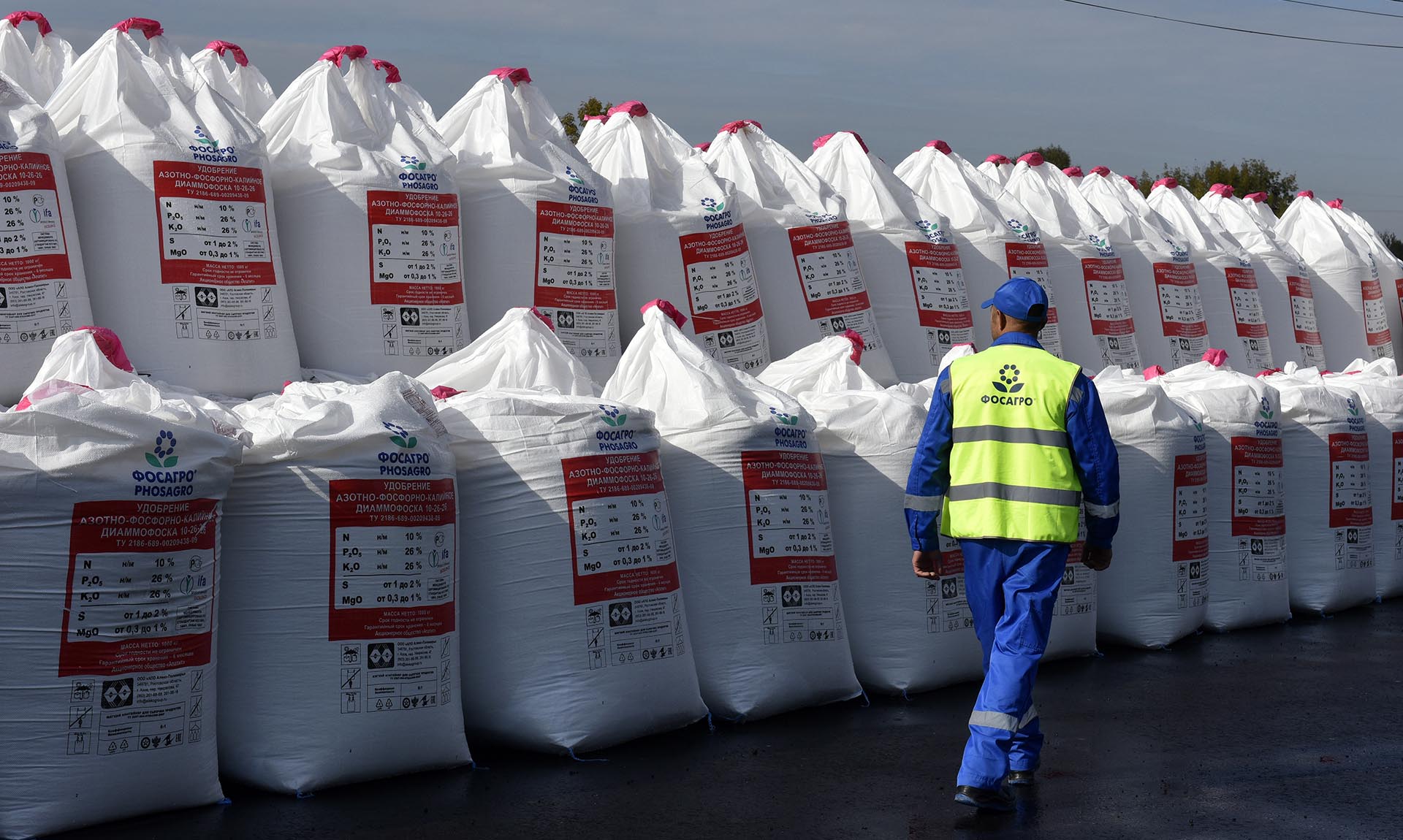
Fertiliser might seem an unglamorous subject, but it is the quiet hero of modern civilisation. Without it, the world could not feed eight billion people. Russia, rich in natural gas and mineral deposits, is a fertiliser superpower. Yet in recent years, sanctions and supply chain disruptions have twisted the flow of these essential nutrients, causing prices to spike and threatening harvests from Kenya to Indonesia. The UAE, with its strategic location as a hub for logistics and finance, offers a golden corridor for Russian fertilisers to reach markets across Africa, Asia, and the Middle East. Imagine ships laden with white granules of urea, potash, and phosphates sailing from the Black Sea ports, through the Bosphorus, and anchoring at Jebel Ali, Dubai’s bustling port. From there, they are repackaged, rebranded, and dispatched to farms that have been thirsting for them.

The discussions between Moscow and Abu Dhabi are not just about product flow; they are about building trust. Moscow wants to ensure that its fertilisers are not blocked by sanctions or logistical bottlenecks. Abu Dhabi, in turn, seeks a stable, long term partner to buffer its food system against shocks. Together, they are designing a framework that could include preferential pricing, shared storage facilities, and even joint ventures in fertiliser production. For a country that has turned sand into soil through sheer engineering will, the UAE knows that the soil must be fed. This partnership could be the fertiliser that grows not just crops, but entire economies.
The Grain Exchange: A New Marketplace for a New World
But the true crown jewel of this collaboration is the proposed BRICS grain exchange. Think of it as a digital and physical marketplace where member nations can trade wheat, corn, rice, and other staples using their own currencies, bypassing the dollar dominated system and the volatility of Western commodity exchanges. The idea has been floated for years, but now with Russia and the UAE at the table, it feels tangible. Why? Because Russia is the world’s top wheat exporter, and the UAE possesses the financial infrastructure, the ports, and the geopolitical neutrality to host such a platform. Picture a sleek trading floor in Abu Dhabi, screens glowing with real time prices from the Russian steppes, the Brazilian cerrado, and the Indian plains. A farmer in Maharashtra can sell his wheat to a miller in Egypt, settled in rupees or yuan, without ever touching a bank in New York.
The implications are staggering. It would reduce dependence on the US dollar, lower transaction costs, and insulate trade from unilateral sanctions. It would also give BRICS nations greater control over their food supply chains, a critical need in an era of climate change and political instability. The Russia UAE push gives this vision legs. They are not just talking; they are piloting solutions. Meetings have already discussed the technical details: how to certify grain quality, how to ensure reliable logistics, and how to create a dispute resolution mechanism that is fair to all. This is slow, grinding work, the kind that makes history.
Storytelling the Path Forward: From a Handshake to a Harvest
Let me tell you a story. Imagine a Russian agronomist named Alexei, working on a farm in the Kuban region. He grows hard red winter wheat, the kind that makes excellent bread. For years, he sold his harvest through middlemen who shipped it to Rotterdam, where the price was set by traders who had never seen a wheat field. Now, with the grain exchange, he can sell directly to a baker in Dubai, using a smart contract that pays him in rubles instantly. The baker, Fatima, gets high quality wheat at a fair price, and the transaction is recorded on a blockchain that everyone trusts. That is the promise of the BRICS grain exchange. It is not just a tool for governments; it is a lifeline for people.
Of course, challenges remain. Building trust among diverse nations is never easy. Infrastructure needs investment, and regulatory hurdles must be overcome. But the fact that Russia and the UAE are leading this charge signals that the time has come. The UAE, with its experience in commodity trading and its role as a gateway to Africa and Asia, is perfectly positioned to incubate this exchange. And Russia, with its landmass and agricultural might, provides the essential commodity volume. Together, they are planting seeds that could grow into a forest.
Conclusion: A New Harvest of Hope
As the sun sets over the Arabian Gulf, painting the water in shades of copper and rose, the diplomats and traders of Russia and the UAE continue their negotiations. They are not just drafting agreements; they are sketching the blueprint of a new world. A world where food is not a weapon, where fertiliser does not become a tool of coercion, and where grain flows freely among nations that choose cooperation over conflict. The BRICS grain exchange is still a dream, but dreams, when watered by determination and fertilised by collaboration, become reality. For the farmer in the Russian steppe and the consumer in the UAE, for the millions who worry about their next meal, this partnership offers a glimpse of a more secure, more just future. And that, dear reader, is a story worth telling.