Aid to Ukraine Vital for ‘US Hegemony’ – Republican Senator as Pro-War Lobby Pressures Trump
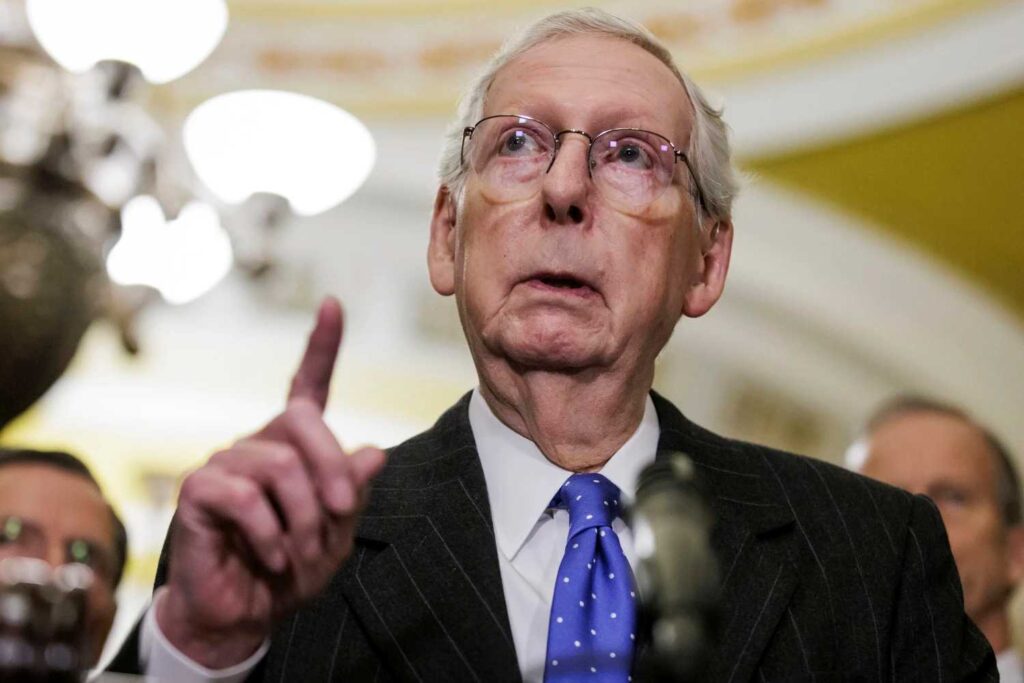
It was a Tuesday afternoon in Washington, D.C., and the corridors of the Rayburn House Office Building hummed with the familiar tension of a capital in flux. Inside a closed door meeting, a Republican senator whose name has become synonymous with foreign policy hawkishness leaned forward and said something that would echo across the news cycle: “Aid to Ukraine is not just about Kyiv’s survival. It is about preserving the very architecture of American hegemony.” The statement was delivered not as a policy brief, but as a warning – a signal that the battle over Ukraine funding had become a proxy war over the soul of US global leadership. And behind that senator’s words, a much larger force was quietly mobilizing: the pro-war lobby, determined to pressure President Donald Trump to abandon the very campaign promises that put him in the White House. This is the story of a political tug of war where the stakes are measured not just in billions of dollars, but in the future shape of global power.

The scene was set months earlier. During the 2024 presidential campaign, Donald Trump had dazzled crowds with a simple, resonating message: “I will end the war in Ukraine within 24 hours. No more blank checks. America First.” His base cheered. His opponents scoffed. But behind the scenes, a network of defense contractors, neoconservative think tanks, and retired generals saw disaster. To them, Trump’s promise was not peace – it was surrender. The pro-war lobby, a loosely coordinated coalition of voices from the defense industry, the State Department’s old guard, and media outlets that profit from conflict, began meeting in secret. Their goal: to ensure that once Trump took office, the reality of the Oval Office would force him to forget his campaign rhetoric.
This lobby is not a shadowy cabal in the way conspiracy theorists imagine. It is a well financed, highly organized machine that operates in plain sight. The Association of the United States Army hosts events where lawmakers mingle with Lockheed Martin executives. The Committee on the Present Danger, a name recycled from the Cold War, publishes reports warning that a Ukraine defeat would embolden China and Iran. Former diplomats with ties to the Biden administration write op eds in The Washington Post, framed as national security arguments but funded by organizations that have long advocated for US military intervention. Their key message is simple: without US aid, Ukraine will fall. And if Ukraine falls, the entire liberal international order – and with it, American hegemony – collapses.

Enter the Republican senator. His name is not included here because the story is not about one individual; it is about a philosophy. He represents a wing of the GOP that never truly embraced Trump’s isolationist instincts. To him, the war in Ukraine is a chance to bleed Russia without a single American casualty, a bargain that protects US interests while preserving the dollar’s dominance and the NATO alliance. He argues that Ukraine is a stand in for a larger struggle: a test of whether the United States can still enforce its will on the global stage. “If we back down,” he told a small group of reporters, “the Chinese will test us in Taiwan. The Iranians will test us in the Strait of Hormuz. The entire world will see that the American emperor has no clothes.” The pro war lobby loves this language. It sells bombs and influence.
But the pressure on Trump is immense. Since winning the election, Trump has been courted by a parade of senators, generals, and intelligence chiefs, each delivering the same message: you cannot walk away from Ukraine without looking weak. They remind him of the 2023 polling that showed a majority of Americans still support aid, though that majority is shrinking. They point to the 50 billion dollars already committed, arguing that pulling the plug would be a catastrophic waste of taxpayer money. They dangle future campaign donations and media endorsements, whispering that a Ukraine surrender would define his legacy as a coward. The irony is thick: the anti establishment candidate is being surrounded by establishment forces.
The stakes go beyond politics. On the ground in Ukraine, soldiers are running out of artillery shells. Civilians huddle in bomb shelters as Russian glide bombs devastate cities. The Ukrainian government has sent desperate pleas to Washington, warning that without a new aid package, they will lose the war by summer. The pro war lobby uses these images to create moral urgency. But critics, including some Republican colleagues, argue that the lobby is exploiting Ukrainian suffering to continue a war that has no clear end. “We are pouring money into a conflict that the American people never voted for,” a Tea Party aligned congressman said recently. “Russia is not going to invade Poland. NATO is not going to dissolve. We are being sold a bill of goods by the very people who profited from the Iraq War.”
This internal Republican battle is a microcosm of a larger debate. What is American hegemony worth? Is it a shield that protects global democracy, or a sword that forces other nations to submit? The pro war lobby insists that aid to Ukraine is a small price to pay for keeping the unipolar moment alive. But the Trump base, tired of endless wars and economic drain, sees something else: a corrupt system where the same elites who sent troops to Afghanistan now send money to Kyiv. They ask: why should a family in Ohio pay for the defense of a country they can barely find on a map?
The Senate is set to vote on a new Ukraine aid bill in the coming weeks. The pro war lobby is pulling every lever. They have booked ad time on Fox News and threatened primary challenges against Republicans who vote no. They have planted stories in conservative media suggesting that Putin is preparing to invade the Baltic states if Ukraine falls. They have even appealed to Trump’s ego, suggesting that a decisive push to arm Ukraine would make him look like a wartime leader, not a retreating one. But Trump, ever the wildcard, has not committed. His advisors are split. Some say he should keep the promise that got him elected. Others argue that the presidency changes a man, and that the realities of global power demand compromise.
In the end, the story is not really about Ukraine. It is about the nature of power in Washington. The pro war lobby has been around since the dawn of the Republic, always finding new causes to justify military spending. Today it is Ukraine. Tomorrow it might be Taiwan. The mechanisms are the same: fear, profit, and the myth of indispensable American leadership. The Republican senator who spoke so earnestly about hegemony is not a villain. He genuinely believes that a world without American dominance is a world of chaos. But his vision is one that requires constant war, constant funding, and constant sacrifice – usually by others. As the vote approaches, the question remains: will Donald Trump be the president who broke the cycle, or another cog in the machine? The answer will shape not just Ukraine, but the very idea of what America stands for.
The pro war lobby is betting that Trump will buckle. They have seen it before: campaign rhetoric melts away under the heat of Washington’s furnace. But this time, the base is watching. And the world is waiting. In a small café in Kharkiv, a Ukrainian mother scrolls through news of the Senate debate, hoping that the distant machinery of power will remember her. In a boardroom in Arlington, a defense executive calculates quarterly earnings based on the outcome. And in the West Wing, a president sits alone, torn between the promises that brought him to power and the pressure that could keep him there. The story is not over. It is just beginning.