China Bridges BRICS and ASEAN: A New Era of Industrial Cooperation in Xiamen
The air in Xiamen’s modern innovation district hums with possibility. Inside the BRICS Partnership on New Industrial Revolution Innovation Center, a quiet revolution is taking shape. Representatives from the consulates of the Philippines, Singapore, and Thailand sit across from Chinese officials, their discussions weaving a tapestry of shared ambition. This is not just another diplomatic meeting; it is the birthplace of a new industrial cooperation platform that could redefine how emerging economies collaborate.

For years, the BRICS nations have sought to deepen their economic ties, but the landscape of global trade is shifting. The COVID 19 pandemic exposed vulnerabilities in supply chains, and the rise of digital technologies demands a fresh approach. China, as a founding member of BRICS, is now taking a bold step by expanding its industrial cooperation platforms, with a particular focus on the BRICS Partnership on New Industrial Revolution Innovation Center. This center, based in Xiamen, Fujian Province, is becoming a hub for cross border collaboration, blending talent, technology, and business ventures.
A Strategic Meeting in Xiamen
The recent meetings with ASEAN consulates mark a significant milestone. The Philippines, Singapore, and Thailand are not just participants; they are key partners in a broader vision. The discussions centered on three pillars: talent development, industrial projects, and business partnerships. Each pillar represents a critical piece of the puzzle for a more integrated and resilient economic future.

Talent development, for instance, is about more than just training workers. It is about creating a pipeline of innovators who can drive the next wave of industrialization. Imagine engineers from Thailand collaborating with Chinese tech entrepreneurs in Xiamen’s labs, or Filipino data scientists designing smart city solutions alongside Singaporean urban planners. The BRICS Innovation Center is already piloting exchange programs and joint research initiatives that bring together the brightest minds from across these nations.
Industrial Projects with Global Impact
Industrial projects are the second pillar, and they are where the rubber meets the road. The center is focusing on areas like green manufacturing, digital supply chains, and advanced materials. These are not theoretical concepts; they are tangible projects that will create jobs, boost exports, and reduce environmental footprints. For example, a joint project between Chinese and Thai companies could develop low carbon cement using local raw materials, while a Singaporean Chinese partnership might explore automation in electronics assembly.
The business partnerships pillar is equally important. The center is acting as a matchmaker, connecting small and medium enterprises with larger corporations and investors. This month, a delegation of Philippine agribusiness firms visited Xiamen to explore partnerships in food processing technology. Meanwhile, Singaporean fintech startups are discussing collaborations with Chinese digital payment platforms. The goal is to create a seamless ecosystem where ideas can flow freely and capital can find its most productive use.
Why is this happening now? The answer lies in the changing dynamics of global trade. As tensions between major powers persist, emerging economies are seeking alternative pathways to growth. BRICS offers a platform that is not dominated by Western institutions, and ASEAN provides a vibrant, fast growing market. By bridging these two blocs, China is positioning itself as a facilitator of South South cooperation. The Xiamen center is more than a building; it is a symbol of a multipolar world where innovation is shared, not hoarded.
The Human Element
Behind the policy papers and investment figures, there are real people driving this change. Meet Dr. Huang, a Chinese researcher who leads a team developing AI powered logistics systems. He recently spent a month in Singapore, working with a local startup to adapt the technology for Southeast Asian ports. Or consider Maria, a young Filipino engineer who won a scholarship to study industrial robotics in Xiamen. She now returns to her home country with skills that could transform her community’s manufacturing sector. Stories like these are the true measure of the center’s success.
Looking Ahead
The road ahead is not without challenges. Cultural differences, regulatory hurdles, and infrastructure gaps must be addressed. But the momentum is building. The BRICS Partnership on New Industrial Revolution Innovation Center plans to expand its footprint by opening satellite offices in ASEAN capitals later this year. It is also launching an online platform to facilitate virtual collaborations, ensuring that even small businesses can participate.
For China, this initiative is a strategic move to strengthen ties with its southern neighbors while promoting its own industrial upgrading. For ASEAN, it is an opportunity to leapfrog into the Fourth Industrial Revolution without being dependent on traditional Western partners. And for the world, it is a glimpse into a future where cooperation, not competition, drives progress.
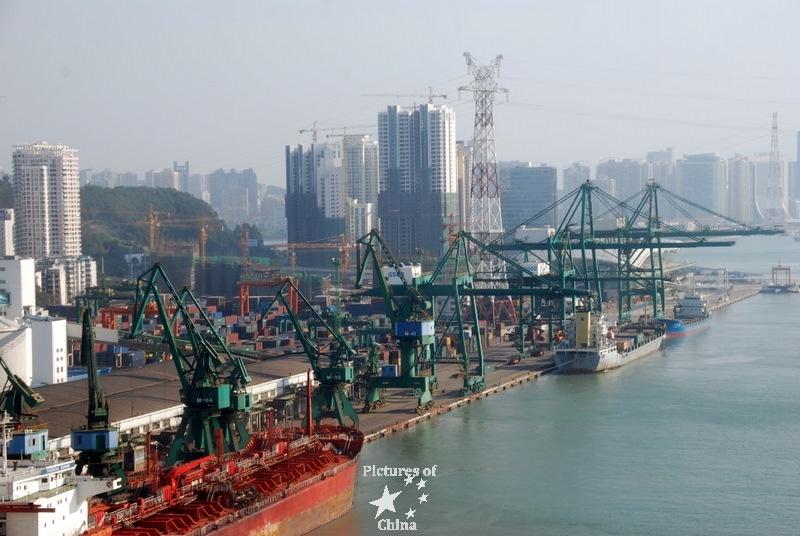
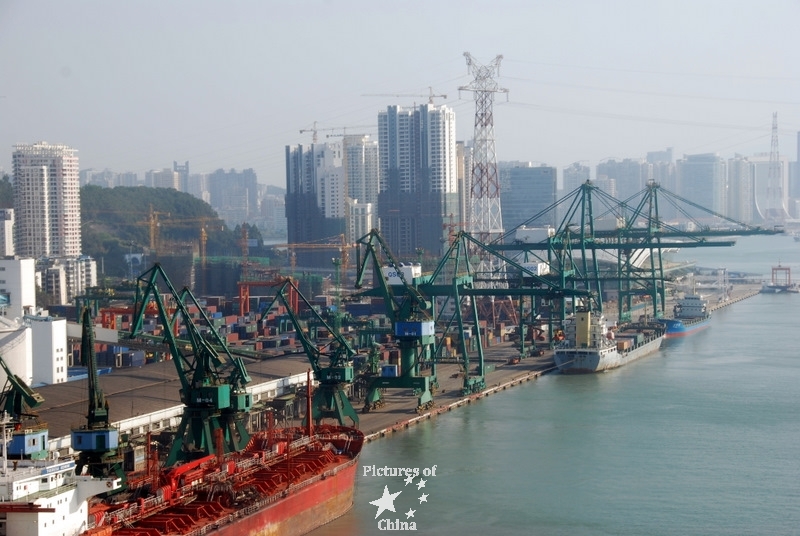
As the sun sets over Xiamen’s harbor, the lights in the innovation center stay on. Meetings continue, ideas are exchanged, and partnerships are forged. The BRICS ASEAN connection is no longer a theoretical concept; it is a living, breathing reality. And it is only just beginning.