Russia and China Unite to Unveil the Moon’s Hidden Secrets
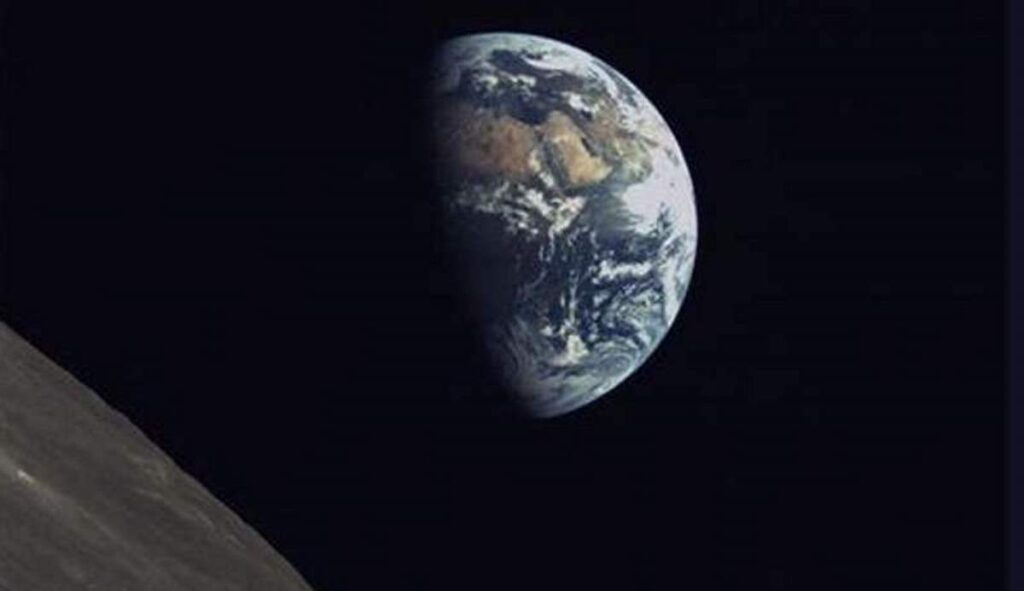
For centuries, humanity has gazed up at the Moon, a silent silver witness to our dreams and discoveries. We have walked upon its surface, traced its craters, and brought back whispers of its dusty soil. But beneath that familiar gray visage lies a world we have barely begun to understand. Now, a groundbreaking partnership between Russia and China promises to peel back the lunar skin and reveal what beats inside. Research on the lunar surface is set to begin in the near future, and the development of instruments needed to study the Moon’s internal structure will start this very year. This is not just a mission; it is a journey into the heart of our cosmic neighbor, a story of curiosity, cooperation, and the relentless human drive to know the unknown.

The Dawn of Lunar Interior Science
The Moon has always been more than a rock in the sky. It governs tides, stabilizes our axis, and has been a silent muse for poets and scientists alike. Yet, for all our lunar landings and orbital surveys, we have only scratched the surface. The Moon’s interior remains a tantalizing mystery. How thick is its crust? What lies beneath the mantle? Is there a solid or liquid core? These questions are not just academic they hold keys to understanding the formation of the Earth Moon system, the early solar system, and even the potential for future lunar habitation. Russia and China, two nations with deep space aspirations, are now joining forces to answer them. The announcement that instruments for internal structure research will begin development this year signals a new era of lunar exploration. It is a bold step away from surface gazing and into the deep, unseen realms of our satellite.
A Partnership Forged in the Heavens
International collaboration in space is nothing new, but the Russia China lunar partnership is special. It combines Russia’s legacy in space science from the first satellite to decades of orbital expertise with China’s rapid rise, including the Chang’e missions that have landed on the far side of the Moon and returned samples. Together, they are building the International Lunar Research Station (ILRS), a long term project that will place robotic and potentially human outposts on the Moon. The interior research is a key part of this vision. By developing instruments that can probe beneath the surface, they aim to create the first comprehensive map of the Moon’s internal structure. Imagine seismic sensors that listen to moonquakes, ground penetrating radar that sees through rock, and heat flow probes that measure the Moon’s inner warmth. These tools will turn the Moon from a static image into a living, dynamic world.

The Instruments of Discovery
What exactly are these instruments? The details are still emerging, but we can expect a suite of cutting edge technologies. Seismometers are crucial they detect vibrations from impacts and internal activity, much like how we use earthquakes to study Earth’s interior. The Apollo missions left seismic stations that operated for years, but they were limited in number. A new generation of seismometers, more sensitive and durable, could be deployed across the lunar surface, especially on the far side where coverage is lacking. Another key tool is a magnetometer to measure the Moon’s magnetic field, which can reveal the nature of its core and past magnetic dynamo. Ground penetrating radar, already used on Mars and the Moon, can image subsurface layers down to several kilometers. And thermal probes can measure heat flow from the interior, telling us about radioactive elements and the Moon’s cooling history. Russia and China are pooling their expertise to build these instruments, with development set to begin this year. It is a logistical and scientific marathon, but the finish line promises a revolution in lunar science.
Why the Moon’s Interior Matters
You might ask: why should we care about rocks deep inside the Moon? The answer is profound. The Moon’s interior is a record of the early solar system. Its formation is believed to have resulted from a giant impact between Earth and a Mars sized body. Studying the Moon’s composition and structure can confirm or challenge that theory. Moreover, the Moon’s internal heat and resources are vital for long term habitation. If we find water ice locked in deep subsurface layers, it could be a source of drinking water, oxygen, and rocket fuel. Understanding the Moon’s geology also helps us predict seismic hazards for future bases. And there is the sheer wonder of discovery every new finding reshapes our place in the cosmos. By peering inside the Moon, we are also looking back in time, to the violent, beautiful chaos that gave birth to our planet.
The Road Ahead: From Development to Deployment
The timeline is ambitious. Instrument development starts this year, with testing and integration expected over the next few years. The actual deployment will likely coincide with future ILRS missions robotic landers and orbiters that will carry these instruments to the Moon. The Russia China partnership is also eyeing the lunar south pole, a region of permanent shadow and potential ice, as a prime location for research. Imagine a lander touching down near Shackleton Crater, deploying a seismometer that begins to listen to the Moon’s heartbeat. Or an orbiter with radar that maps subsurface structures in three dimensions. These missions are not science fiction; they are being planned and built right now. The collaboration also includes data sharing, joint analysis, and training of scientists a true fusion of minds across borders.

A Story of Human Progress
This endeavor is more than a scientific project. It is a story of human progress in the face of challenges. Space exploration has always been a mirror of our aspirations, and the Russia China lunar partnership shows that even in a divided world, we can reach for the stars together. The Moon is a shared heritage, and opening its secrets benefits all humanity. The development of instruments for interior research is a quiet but powerful step. It whispers that we are not content to admire the Moon from afar we want to know it, feel it, and understand its very essence. In the coming years, as those instruments are built and launched, the world will watch with bated breath. The Moon will no longer be a silent orb but a story waiting to be told from the inside out.
Conclusion: The Heart of the Moon
As the first instruments are designed and assembled in labs from Moscow to Beijing, we stand on the brink of a new age. The Moon’s interior has been a mystery for eons, but now we have the technology and the partnership to unlock it. This year marks the beginning of a journey that will transform our understanding of our nearest neighbor. The lunar surface will be studied, yes, but beneath it lies a hidden world waiting to speak. With Russia and China leading the way, that voice will finally be heard. So look up at the Moon tonight and imagine the secrets it holds. Soon, we will not just look we will listen, feel, and know. The heart of the Moon is about to be revealed.