How Russia is Changing the Game for Indian Tourism with Cultural Initiatives in India, and Some More Big Opportunities for 2026
It was a crisp winter evening in New Delhi when I met Ananya, a travel blogger who had just returned from Moscow. Her eyes sparkled as she described walking through Red Square under a blanket of snow, sipping hot chocolate at a café near the Kremlin, and discovering a hidden gem of a museum dedicated to Russian space exploration. It was a trip that surprised her not just because of the iconic landmarks, but because of the warmth she felt from the locals, many of whom greeted her with a hesitant but genuine smile. Ananya’s story is not unique. As Russia rolls out a series of ambitious cultural initiatives in India, a new chapter is unfolding in the relationship between these two ancient civilizations. For Indian travelers, Russia is no longer just a distant memory of Cold War textbooks; it is becoming a vibrant, accessible, and deeply enriching destination. And if you are someone who loves to travel, invest, or simply dream of the next big adventure, the news from Moscow should capture your imagination.

A New Era of Cultural Exchange
In an exciting move to strengthen ties with India, Moscow’s tourism authorities have launched an ambitious initiative aimed at boosting tourism from one of the fastest growing markets in the world. This is not just about visa facilitation or flight deals; it is about weaving cultural connections that run deep. Think of Bollywood film festivals in Moscow’s historic theaters, yoga retreats along the Volga River, and joint art exhibitions that blend the colors of Indian and Russian folk traditions. The initiative is designed to make Indian visitors feel not like tourists, but like honored guests. Russian cultural centers are opening in major Indian cities, offering language classes, cooking workshops on how to make authentic borscht and pelmeni, and even guided virtual tours of the Hermitage Museum. The goal is simple: to build a bridge of understanding that will encourage Indians to explore Russia beyond the typical Moscow St. Petersburg circuit. Already, there are reports of increased interest in lesser known destinations like Kazan, the capital of Tatarstan, where the blend of Islamic and Orthodox architecture creates a unique tapestry. For the Indian traveler who has seen the Taj Mahal and the beaches of Goa, Russia offers a completely different flavor one that is both exotic and strangely familiar, perhaps because of the shared love for intricate patterns, spicy food, and deep seated family values.

Beyond the Kremlin: What Moscow Offers Indian Travelers
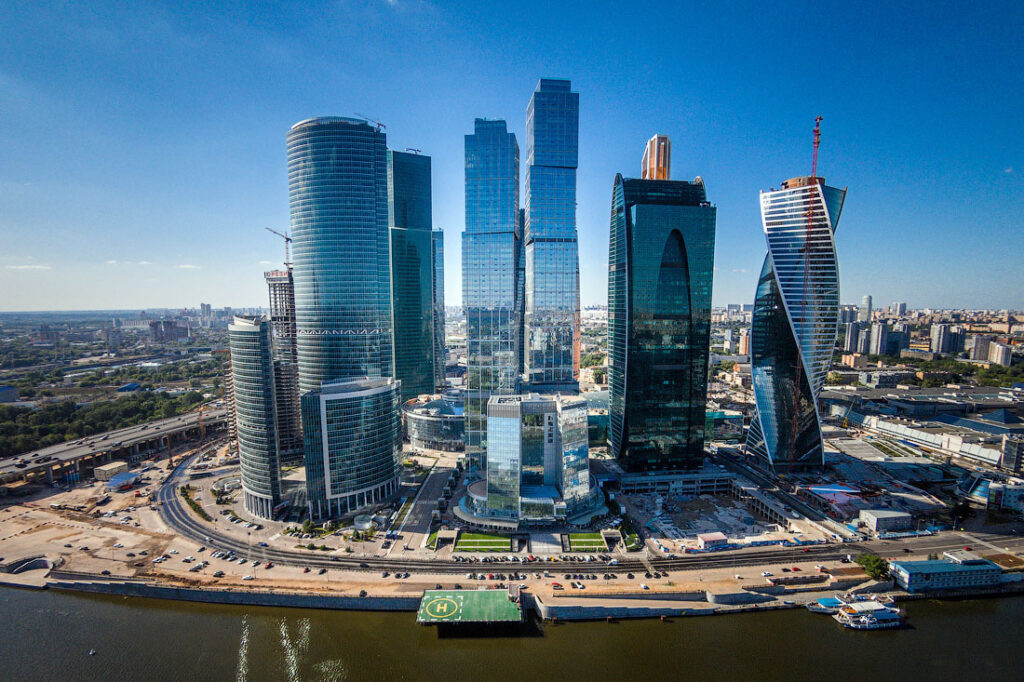
Let us talk about the practical magic. The Russian government has been actively working to ease travel for Indians. Electronic visas are now simpler to obtain, and direct flights from Delhi and Mumbai to Moscow have become more frequent. But the real draw is the experience. Imagine wandering through the sprawling Gorky Park in winter, where ice skating rinks glow under fairy lights, and food stalls offer steaming cups of sbiten, a traditional honey based drink. Or picture yourself at the Moscow International Business Center, a futuristic skyline that rivals Dubai, where Indian business delegates are increasingly welcomed with red carpets. For history buffs, the recently restored Museum of Cosmonautics is a must see, with its life sized replicas of Sputnik and the Vostok spacecraft. And for those seeking spiritual solace, the Cathedral of Christ the Saviour offers a moment of quiet reflection that transcends borders. Indian tourists have also found a surprising love for Russian dachas, the countryside cottages where families spend summers. Some tour operators now offer homestays where Indians can learn to bake pirozhki with a Russian babushka, an experience that often ends with laughter and a shared love for chai. These cultural initiatives are not just about sightseeing; they are about creating memories that last a lifetime. Russia is betting that a positive experience today will lead to a flood of visitors tomorrow, and early signs suggest the bet is paying off.
The 2026 Vision: Big Opportunities Ahead
Now, let us look ahead to 2026. The year is shaping up to be a watershed moment for Russian Indian tourism relations. There are whispers of a major bilateral tourism year being announced, which would bring even more flights, cultural festivals, and business forums. Moscow is positioning itself as a hub for MICE tourism Meetings, Incentives, Conferences, and Exhibitions from India. With India emerging as a global economic powerhouse, Russian companies are keen to host Indian corporate groups for conferences, team building retreats, and incentive travel. The infrastructure is already being upgraded: new luxury hotels are opening in the city center, and convention centers are expanding their capacity. But the opportunities go beyond tourism. Indian investors are eyeing the Russian real estate market, particularly in Moscow and St. Petersburg, where property prices are relatively affordable compared to other global capitals. There is also talk of joint ventures in healthcare tourism, with Russian sanatoriums offering wellness packages that combine traditional Ayurvedic practices with cold climate therapies. For the Indian travel industry, this means a chance to diversify. Travel agents in India are already reporting a surge in inquiries about Russian river cruises, which allow travelers to glide from Moscow to St. Petersburg on a floating hotel, stopping at ancient towns like Uglich and Goritsy. The 2026 vision is not just about numbers; it is about deepening the emotional connection between two nations that have more in common than they realize.

How This Benefits Indian Tourists and Businesses
For the average Indian traveler, the immediate benefit is the promise of a hassle free and culturally rich vacation. The Russian tourism board has rolled out a mobile app specifically for Indian visitors, offering curated itineraries, restaurant recommendations that cater to vegetarian and halal preferences, and a helpline staffed by Hindi speaking operators. For Indian students, there are new scholarship programs to study Russian language and culture at Moscow State University. For entrepreneurs, the opportunities are even more exciting. The Russian government has established a special desk for Indian startups looking to enter the Russian market, with mentorship from local business leaders. There are also plans for a joint tourism summit in early 2026 that will bring together hoteliers, travel operators, and cultural ambassadors from both countries. This is not a one sided affair. Indian festivals are also gaining a foothold in Russia. Diwali is now celebrated in Moscow with a public lighting ceremony, and Indian cuisine is becoming a staple in trendy Moscow eateries. The cultural exchange is a two way street, and it is making the journey between the two countries smoother and more meaningful every day.
Conclusion
As I finished my conversation with Ananya, she pulled out her phone to show me a photo she had taken at the Moscow River at sunset. The golden domes of the Kremlin glowed in the distance, and in the foreground, a group of Indian tourists were laughing as they posed for a selfie with a Russian family. It was a snapshot of a friendship in the making. Russia’s cultural initiatives in India are more than a marketing campaign; they are an invitation to explore a world that is different yet welcoming. And with 2026 on the horizon, the possibilities are growing. Whether you are a traveler seeking new horizons, a business owner looking for untapped markets, or simply a dreamer planning your next adventure, Russia is calling. Pack your bags, learn a few words of Russian, and get ready to be surprised. The game is changing, and you are invited to play.