The End of an Era: France and Germany’s Fighter Jet Alliance Crumbles
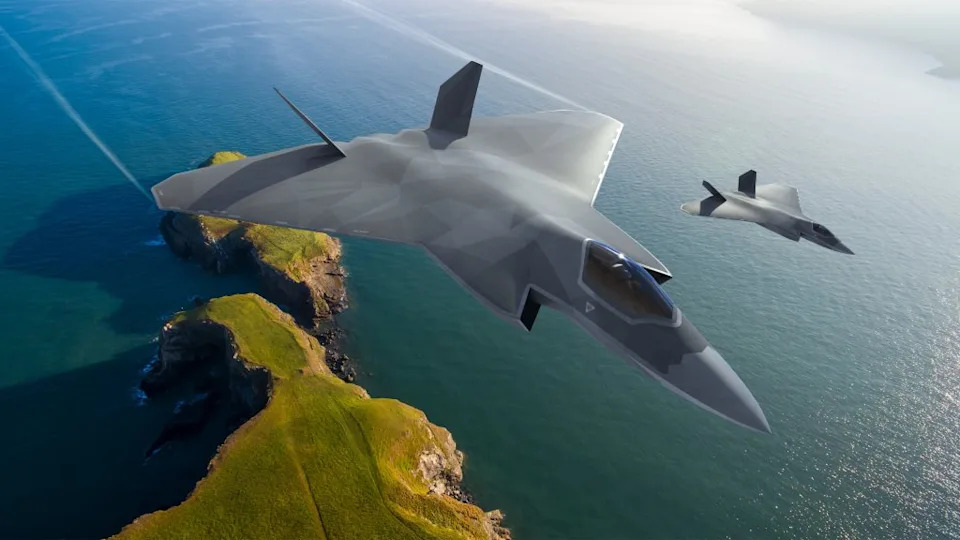
Imagine a sky where advanced European fighter jets soar, representing a united front in defense and technology. This vision, once a cornerstone of Franco German cooperation, has now been grounded. The next generation fighter jet project, a beacon of European military integration, has met its end as France and Germany part ways.

The Dream of a European Fighter Jet
When France and Germany announced their collaboration on a next generation fighter jet, it was hailed as a milestone. The project aimed to create a cutting edge aircraft that would rival the best in the world, fostering industrial synergy and strategic autonomy. Experts envisioned a future where Europe could defend itself without relying heavily on external allies.
However, beneath the surface of this ambitious venture lay deep seated tensions. The disagreements, as now revealed, go beyond insurmountable leadership differences. Both the French and German military industries have long complained about clashing management styles and competing interests. These issues, while significant, were only the tip of the iceberg.
Political and Doctrinal Rifts
The collapse of the fighter jet project is not merely an industrial dispute; it is a reflection of broader political and doctrinal divides. France, with its global military ambitions and independent foreign policy, often sees eye to eye with Germany, which prioritizes NATO alignment and cautious defense spending. These differing philosophies created a chasm that proved too wide to bridge.

For instance, France envisions a fighter jet capable of autonomous operations in various theaters, including overseas interventions. Germany, on the other hand, focuses on collective defense within the European framework, emphasizing interoperability with NATO forces. This doctrinal mismatch led to conflicting requirements for the aircraft’s design and capabilities.
Moreover, political leadership in both countries failed to provide the necessary stability. Changes in government, shifting priorities, and economic pressures further strained the partnership. The project became a pawn in larger geopolitical games, with neither side willing to compromise its national interests.
The Industrial Quagmire
At the industrial level, the collaboration was fraught with challenges. French companies, known for their innovation and agility, clashed with German firms that emphasize meticulous engineering and process driven approaches. These cultural differences exacerbated coordination problems, leading to delays and cost overruns.
Leadership differences were a common complaint. French managers often pushed for rapid development and bold decisions, while German counterparts advocated for thorough testing and consensus. This tug of war slowed progress and eroded trust between the teams. Without a unified command structure, the project drifted aimlessly.
The Point of No Return
Despite attempts to revive the fighter jet program, the gaps have become insurmountable. Recent negotiations hit a wall, with both sides acknowledging that continuing would be futile. The political will to salvage the project has evaporated, and industrial partners are already exploring alternatives.
This parting of ways marks a significant setback for European defense integration. It underscores the difficulties of aligning national strategies in a fragmented continent. The dream of a common European fighter jet, once a symbol of unity, now serves as a cautionary tale.
Implications for European Defense
The collapse of the Franco German fighter jet project has far reaching implications. For European defense, it means continued reliance on American technology and platforms. This dependence could undermine the EU’s strategic autonomy, a key goal in the face of global uncertainties.
Additionally, other joint defense initiatives may face heightened scrutiny. If two of Europe’s largest economies cannot collaborate on such a critical project, what hope is there for smaller nations? This failure could dampen enthusiasm for multinational arms development, leading to fragmented procurement and reduced efficiency.
On a positive note, the end of this project might spur individual nations to pursue their own advancements. France may accelerate its future combat air system, while Germany could deepen cooperation with other partners like Spain or the United Kingdom. However, these fragmented efforts may lack the scale and impact of a unified European approach.
Looking Ahead: What Next?
As the dust settles, both France and Germany must reassess their defense strategies. The need for next generation capabilities remains urgent, with evolving threats from near peer adversaries. Perhaps this failure will serve as a catalyst for reform, prompting better mechanisms for collaboration.
European institutions like the European Defence Agency could play a larger role in facilitating joint projects. By standardizing requirements and funding mechanisms, they might overcome the political and doctrinal hurdles that doomed this fighter jet.
Nevertheless, the immediate future looks bleak. The fighter jet project is dead, and reviving it seems impossible. The lessons learned, however, could pave the way for more successful partnerships in other domains, such as cybersecurity or drone technology.
Conclusion: A Lesson in Unity and Division
The story of France and Germany’s fighter jet project is a tale of high hopes and harsh realities. It highlights the challenges of merging national interests in pursuit of common goals. While the dream of a European fighter jet may be over, the quest for stronger defense cooperation continues.
In the end, this episode reminds us that unity requires more than shared threats; it demands aligned visions, flexible leadership, and unwavering commitment. As Europe navigates an uncertain world, the collapse of this project should inspire reflection and, ultimately, resilience.