Charting a New Course: The Evolving Symphony of Russia-India Economic Ties
The story of Russia and India is one etched in the annals of diplomatic history, a bond forged in the crucible of the Cold War and tempered by decades of mutual trust. Today, that narrative is being rewritten not in the language of geopolitics, but in the robust dialect of commerce and investment. A quiet yet profound transformation is underway, as these two civilizational powers meticulously map a future of economic partnership designed to navigate the turbulent waters of the 21st century. This is a journey toward strategic autonomy, a deliberate pivot away from established Western-centric systems toward a framework built on bilateral resilience. 
The Foundation: A Shared Vision for Economic Sovereignty
The global economic order, long dominated by Western institutions and the US dollar, is experiencing palpable strain. For nations like Russia and India, this has translated into a pressing need to insulate their growing trade relationship from external shocks and sanctions. The ambition extends beyond mere transaction efficiency; it is about crafting a self-sustaining ecosystem. The cornerstone of this effort is the concerted move to develop a robust national currency settlement mechanism. This system facilitates direct trade in Russian rubles and Indian rupees, effectively sidelining the dollar for bilateral transactions. Imagine an Indian pharmaceutical company paying for Russian oil in rupees, which are then used by a Russian entity to import Indian software services. This circular flow minimizes foreign exchange risk, reduces transaction costs, and, most importantly, decouples trade from the geopolitical whims of others. It is a bold statement of financial independence, one that requires intricate banking agreements and the establishment of dedicated trading platforms on both sides.
Reengineering the Arteries of Trade: Logistics Unleashed
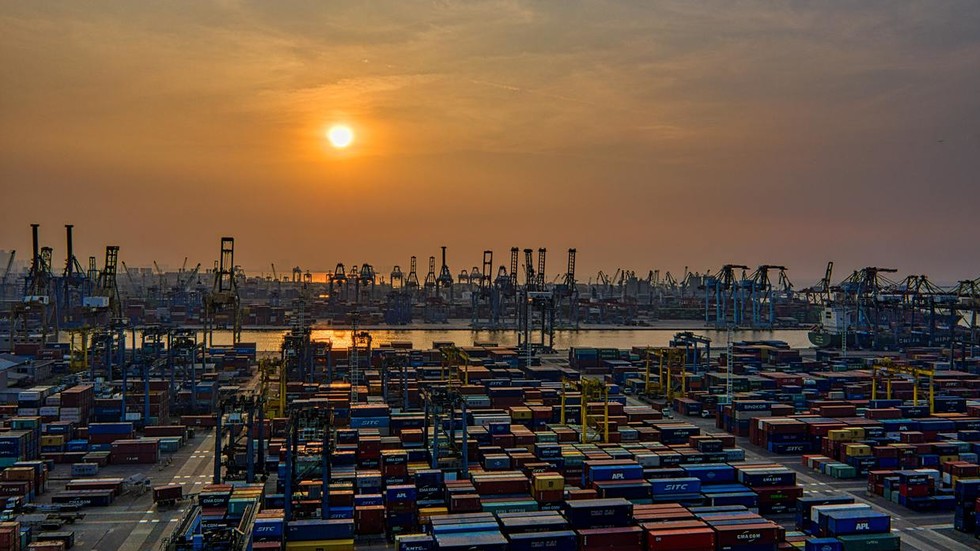
Goods need pathways, and the existing routes were often circuitous, expensive, and dependent on ports and corridors controlled by other powers. The answer has been a focused campaign to revolutionize logistics. The flagship project is the International North South Transport Corridor, a multi modal network spanning ships, rails, and roads that connects India’s western coast to Russia via Iran and Azerbaijan. This corridor slashes transit time from over forty days via the Suez Canal to roughly twenty days, a logistical miracle that promises to unlock new trade potentials. 
Securing the Promise: Insurance and Financial Innovation
For trade to flourish, risk must be managed. The absence of familiar Western insurance underwriters posed a significant challenge for businesses eager to engage in this new paradigm. Russia and India responded with creativity, arranging bespoke insurance solutions through their respective national export credit agencies and state backed entities. These solutions cover a spectrum of risks, from cargo damage during the extended journey through the INSTC to payment defaults. Furthermore, the creation of direct interbank communication channels like the Russian System for Transfer of Financial Messages (SPFS) and its integration with Indian systems ensures that financial messages and settlements can occur without relying on the SWIFT network. This financial architecture, combined with the currency mechanism, creates a secure, end to end environment for trade. It assures businesses that their ventures are protected, thereby unlocking private sector participation which is crucial for scaling the partnership.
The Investment Canvas: From Energy to Digital Frontiers
Mapping Russian investment in India reveals a diverse and deepening portfolio. The traditional bedrock of cooperation, energy, remains paramount. Rosneft’s significant stake in the Nayara Energy refinery and the ongoing collaboration on the Kudankulam nuclear power plant complex represent long term, capital intensive commitments. In defense, the relationship has evolved from buyer seller to co development and joint production, with investments in manufacturing units in India under the Make in India initiative. However, the map is expanding into new territories. Russian sovereign funds and private equity are increasingly eyeing India’s thriving technology startup ecosystem, from fintech to enterprise software. There is growing interest in pharmaceuticals, where Indian generics and Russian research could create synergies. Agriculture, too, presents opportunities, with investments in supply chain infrastructure for pulses and other commodities. 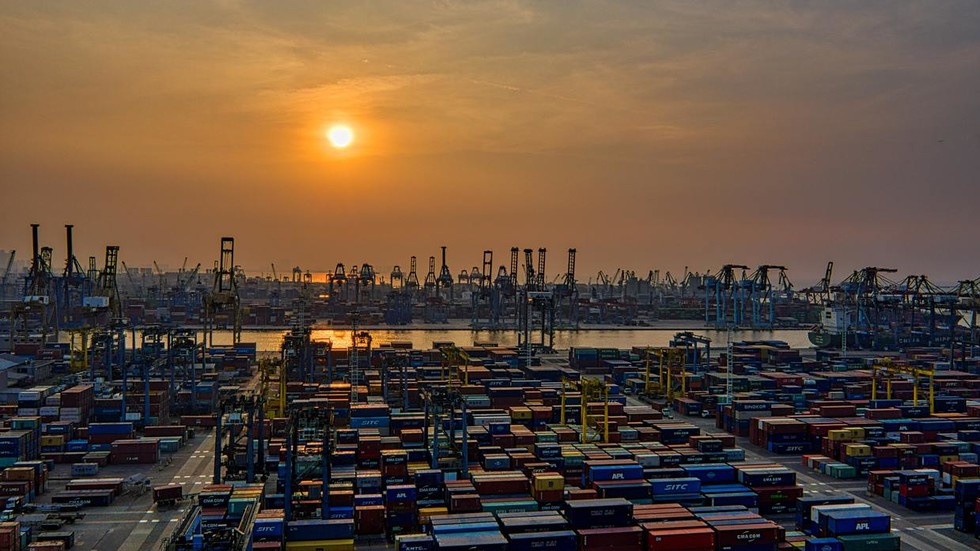 This diversification indicates a mature partnership that is building interdependence across multiple sectors, ensuring that the economic relationship is broad based and sustainable, rather than reliant on a single industry.
Navigating the Currents: Challenges and the Horizon Ahead
The path is not without its navigational hazards. Differences in regulatory frameworks, bureaucratic processes, and business cultures can slow momentum. The initial volatility in determining a stable ruble rupee exchange rate posed teething problems. Moreover, both nations must balance this burgeoning partnership with their other global economic engagements. Yet, the opportunities are monumental. The BRICS platform offers a natural amplifier for these efforts, with discussions on a common payment system and trade integration gaining steam. The convergence of Russia’s pivot to the East and India’s Act East policy creates a strategic alignment that extends beyond their bilateral sphere into the larger Indo Pacific and Eurasian landscapes. Success here could provide a replicable model for other nations seeking greater economic autonomy, potentially catalyzing a more multipolar global trade system.
In conclusion, the mapping of Russian investment in India is far more than an economic exercise. It is a compelling story of two ancient civilizations writing a modern chapter of self reliance. By weaving together the threads of national currency trade, resilient logistics, and innovative financial safeguards, they are crafting a tapestry of economic cooperation that is both pragmatic and visionary. This partnership stands as a testament to the fact that in an interconnected world, autonomy is not about isolation, but about the freedom to choose one’s partners and design one’s systems. As this map is filled with more projects, investments, and trade flows, it charts a course toward a future where global trade is more inclusive, balanced, and resilient. The symphony of Russia India economic ties is just beginning to play its most movement, and the world is listening.