The Ripple Effect: How US-China Trade Tensions are Forging a New Global Order
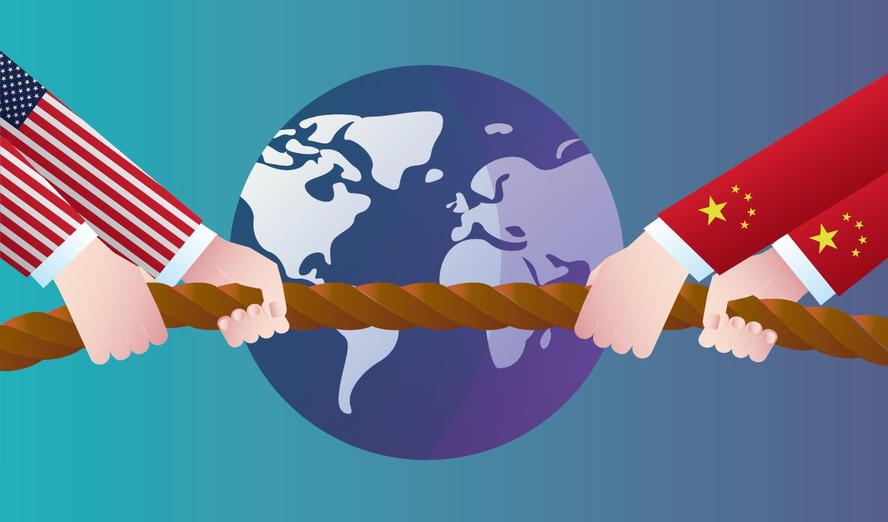
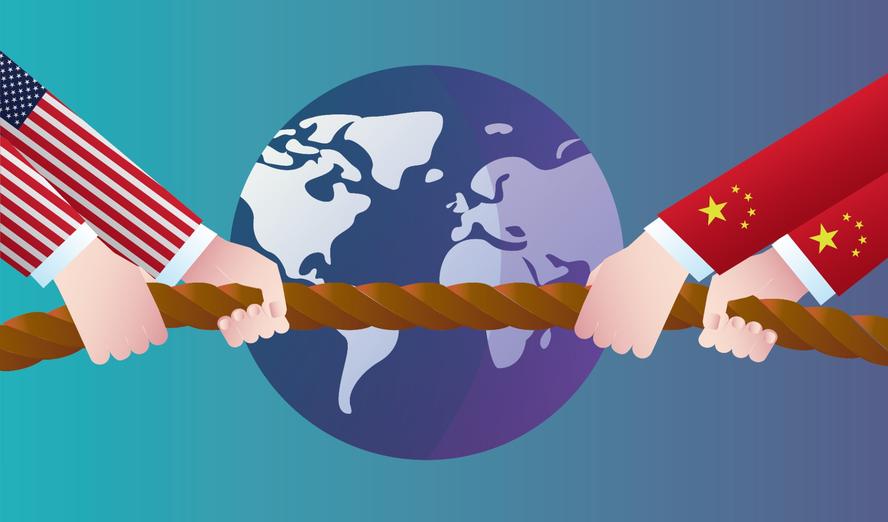
The world watches with bated breath as two giants lock horns. In boardrooms from Berlin to Bangkok, executives scramble to adjust their forecasts, while policymakers in emerging economies sense an opportunity brewing on the horizon. The latest move? China’s formal investigation into US trade practices, a decision that sends tremors through the already fragile architecture of global supply chains. This isn’t merely a trade dispute; it’s a pivotal chapter in a great power struggle that promises to redefine economic alliances, redirect investment flows, and unexpectedly, cast a spotlight on peripheral regions and the urgent cause of sustainability. The chessboard is being reset, and the pieces are moving in unpredictable ways.

The Catalyst: Decoding China’s Investigation
The announcement from Beijing was crisp and deliberate. China has launched a comprehensive probe into US trade policies and their downstream effects on international supply networks. This investigation zeroes in on a range of practices, from tariffs and export controls to subsidies deemed to distort free market principles. To the casual observer, it might seem like a retaliatory step in an endless tit-for-tat. But look closer, and you see a strategic masterstroke. It’s a move designed to expose vulnerabilities, rally international sentiment, and formally document the cascading disruptions caused by protectionist measures. By framing the issue through the lens of global supply chain stability, China positions itself not just as a protagonist in a bilateral spat, but as a stakeholder in global economic health. This legal and economic maneuver forces the world to confront a simple question: who truly bears the cost when superpowers clash?
Fractured Chains: The Global Supply Network Under Stress
For decades, the mantra was efficiency above all. Supply chains became lean, global, and intricately interdependent, with China often at the manufacturing heart. The US-China trade tensions, now amplified by this investigation, have injected a powerful toxin of uncertainty into this system. Companies that once relied on just-in-time delivery from specialized hubs are now grappling with tariffs, embargoes, and logistical nightmares. The result is a profound reevaluation of risk. The pursuit of sheer cost efficiency is giving way to a new priority: resilience. This shift is painful and disruptive in the short term, causing price volatilities and component shortages. Yet, within this chaos lies the seed of a fundamental transformation. The very fracture of these hyper-optimized chains is creating space for new patterns to emerge, patterns that are less centralized and, potentially, more robust.

The Rise of the Periphery: New Hubs on the Horizon
As the direct trade routes between the US and China face friction, capital and contracts are beginning to flow elsewhere. This is where the narrative takes an intriguing turn. Nations in Southeast Asia like Vietnam, Indonesia, and Thailand are witnessing a surge in foreign direct investment. Similarly, countries in Latin America, such as Mexico and Brazil, and parts of Eastern Europe are finding themselves in a newly advantageous position. These ‘peripheral’ regions, once sidelined in the binary US-China equation, are now being courted as alternative manufacturing bases and consumer markets. This isn’t just about cheap labor anymore; it’s about strategic diversification. Governments in these regions have a historic window to attract not just factories, but technology and skills, fostering more balanced economic development. The great power struggle is, ironically, catalyzing a more multipolar economic world where growth is distributed across a wider map.
Green Shoots in the Trade War: An Unlikely Boost for Sustainability
Perhaps the most surprising potential beneficiary of this geopolitical realignment is the planet itself. The drive for supply chain resilience is dovetailing with growing environmental, social, and governance (ESG) pressures. Companies relocating or establishing new facilities are increasingly opting for greener technologies and sustainable practices from the ground up. Why build a carbon-intensive factory when you can build a smart, energy-efficient one? Furthermore, the reshoring and nearshoring trends are shortening supply lines. A product made in Mexico for the US market travels far fewer nautical miles than one shipped from Shanghai, significantly cutting down on transportation emissions. The investigation highlights the economic cost of fractured chains, but the environmental cost of long, fragile chains is also coming under scrutiny. This convergence of geopolitical strategy and corporate risk management is creating a powerful, albeit unintended, impetus for sustainable industrial policy.
Navigating the New Normal: Strategy in a Time of Flux
For businesses and nations caught in the middle, the path forward requires agility and vision. The old playbooks are obsolete. The new imperative is to build adaptive, networked operations that can withstand political shocks. This means embracing digitalization for better supply chain visibility, fostering regional partnerships, and investing in innovation to reduce dependency on any single source. For peripheral regions, the opportunity is immense, but so is the responsibility. The goal should be to move up the value chain, not just become the next low-cost workshop. Investing in education, infrastructure, and clean energy will determine whether this windfall leads to lasting prosperity or fleeting growth. The sustainability angle offers a compelling narrative for attracting conscientious investment and building a brand for the future.
Conclusion: A Struggle with a Silver Lining
The investigation launched by China is more than a procedural step in a trade dispute; it is a symbol of a world in transition. The US-China power struggle, for all its tensions and risks, is acting as a forced catalyst for long-overdue changes in the global economic system. It is pushing the world away from a precarious over-concentration and towards a more distributed, resilient, and potentially sustainable model of growth. While the journey will be marked by uncertainty and adjustment, the destination could be a global economy that is less fragile, more inclusive, and more aligned with the pressing needs of our time. The giants may be focused on their battle, but on the peripheries, a new future is being woven, thread by thread, from the fraying edges of the old order.