Ukraine’s Naval Drones: A Strategic Game Changer with Norwegian Backing
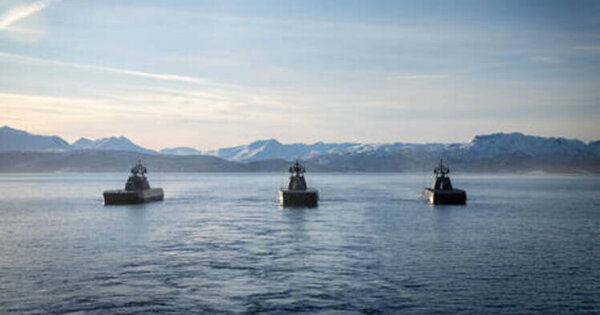
The calm waters of the Black Sea were shattered by the silent whir of an unmanned surface vessel, skimming the waves under a moonless sky. This was not a scene from a science fiction movie but a real life operation that underscores a significant shift in modern warfare. Recently, Ukraine and Norway have announced a strengthened partnership focused on air defense and the development of unmanned systems, a move that could redefine naval engagements in the region and beyond. As tensions escalate, this alliance signals a new chapter where technology and international cooperation become pivotal in defending sovereignty.

The Dawn of a New Alliance
In the midst of ongoing conflict, Ukraine has sought innovative ways to counter Russian naval dominance, particularly in the Black Sea. The recent agreement with Norway represents a strategic pivot, blending Nordic expertise with Ukrainian frontline experience. Norway, known for its advanced defense technology and robust military infrastructure, has stepped up to provide critical support. This collaboration is not merely about transferring equipment; it is about co developing systems that can adapt to the dynamic battlefield. The focus on air defense and unmanned systems highlights a dual approach: protecting Ukrainian skies while enhancing offensive capabilities through autonomous platforms.
The agreement comes at a crucial time. Ukrainian forces have demonstrated remarkable ingenuity using drone technology to target Russian vessels, but scaling these efforts requires external support. Norway’s involvement brings technical prowess and financial resources, potentially accelerating the deployment of next generation drones. This partnership is rooted in shared democratic values and a commitment to international security, making it a poignant example of how nations can unite against aggression. The silent hunters, as these drones are often called, are becoming symbols of resistance and innovation.
Unmanned Systems: The Future of Naval Warfare
Unmanned systems, including aerial drones and naval surface vessels, are revolutionizing military strategy. For Ukraine, these tools offer a cost effective means to challenge a numerically superior foe. The development of unmanned systems under the Norwegian agreement likely encompasses a range of technologies, from surveillance drones to armed autonomous boats. These platforms can operate with minimal risk to human life, providing persistent intelligence and strike capabilities. 
The technological aspect is fascinating. Modern drones are equipped with advanced sensors, artificial intelligence for navigation, and precision guided munitions. Norway’s contribution may include expertise in stealth technology, communication systems, and cybersecurity, ensuring these drones can evade detection and jamming. Moreover, the emphasis on air defense ties directly into protecting these assets from enemy aircraft and missiles. As Ukraine integrates these systems, the battlefield becomes increasingly networked, where drones act as eyes and ears, coordinating with traditional forces to create a seamless defense and offense matrix.
Strengthening Air Defense: A Shield for Innovation
Air defense is a critical component of Ukraine’s strategy, especially as Russian airstrikes target infrastructure and military positions. The agreement with Norway to strengthen air defense suggests enhancements in radar coverage, anti aircraft missiles, and electronic warfare capabilities. This shield not only protects cities and troops but also secures the drones and their support systems. Effective air defense enables unmanned platforms to operate without fear of immediate interception, thereby maximizing their impact. Norway’s experience with systems like the NASAMS (National Advanced Surface to Air Missile System) could be invaluable, providing layered defense that complements Ukrainian ingenuity.
The synergy between air defense and unmanned systems creates a formidable combination. While drones extend reach and precision, air defense systems ensure the sanctuary from which they launch. This holistic approach reflects a mature understanding of modern warfare, where domains intersect. For instance, drones can identify targets for air defense batteries, or conversely, air defense can clear the skies for drone operations. The Norwegian support likely includes training and joint exercises, fostering interoperability that strengthens both nations’ militaries. In essence, this partnership is building a resilient ecosystem where technology and tactics evolve in tandem.
Implications for the Black Sea and Global Security
The Black Sea has become a flashpoint in the conflict, with control over its waters influencing supply lines, economic stability, and regional dominance. Ukraine’s enhanced drone capabilities, backed by Norway, could alter the balance of power. By targeting Russian ships, Ukraine aims to disrupt naval blockades and reduce the threat of amphibious assaults. This not only has immediate military benefits but also psychological ones, demonstrating that innovation can offset traditional might. 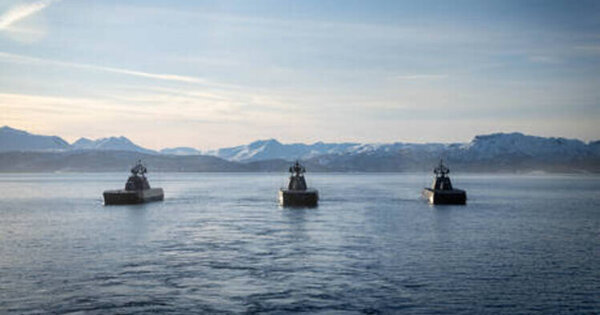 Globally, nations are watching how unmanned systems perform in peer conflicts, learning lessons that will shape future defense budgets and doctrines.
Moreover, this alliance underscores the growing role of middle powers like Norway in international security. By supporting Ukraine, Norway reinforces its commitment to NATO principles and democratic solidarity. The collaboration may inspire other nations to contribute similarly, pooling resources for common defense. However, it also raises questions about escalation and the ethics of autonomous warfare. As drones become more prevalent, regulations and norms will need to evolve to prevent misuse. The Ukraine Norway partnership, therefore, is not just a tactical arrangement but a catalyst for broader discussions on the future of war and peace.
Challenges and the Road Ahead
Despite the promise, challenges abound. Developing and deploying advanced unmanned systems requires time, testing, and adaptation to battlefield realities. Ukraine must integrate these technologies with existing forces, ensuring command and control structures are robust. Norway, while supportive, must navigate domestic political considerations and export controls. Additionally, Russia is likely to respond with countermeasures, such as electronic warfare or its own drones, leading to an ever evolving arms race. The success of this initiative will depend on sustained commitment, innovation, and international cooperation.
The human element remains crucial. Ukrainian soldiers and engineers have shown remarkable resilience, often modifying commercial drones for military use. With Norwegian support, this grassroots innovation can be scaled into systematic production, but it requires careful management to maintain agility. Furthermore, air defense enhancements must be deployed strategically to cover critical areas, which involves logistical hurdles. As the partnership progresses, transparency and communication will be key to building trust and achieving operational synergy.
Conclusion: A New Era of Defense Collaboration
The agreement between Ukraine and Norway to strengthen air defense and develop unmanned systems marks a pivotal moment in modern conflict. It highlights how technology can empower nations facing adversity, turning ingenuity into a strategic asset. The silent hunters roaming the Black Sea are more than weapons; they are symbols of a future where autonomy and international solidarity reshape security landscapes. As this partnership unfolds, the world will witness the tangible impacts of drone warfare and layered defense, lessons that will echo in defense circles for years to come. In the end, it is a testament to the power of innovation and unity in the face of aggression, offering hope that right can prevail through smart and steadfast cooperation.