The Unbreakable Bond: India and Russia Partnership Thrives Amid Global Adversity
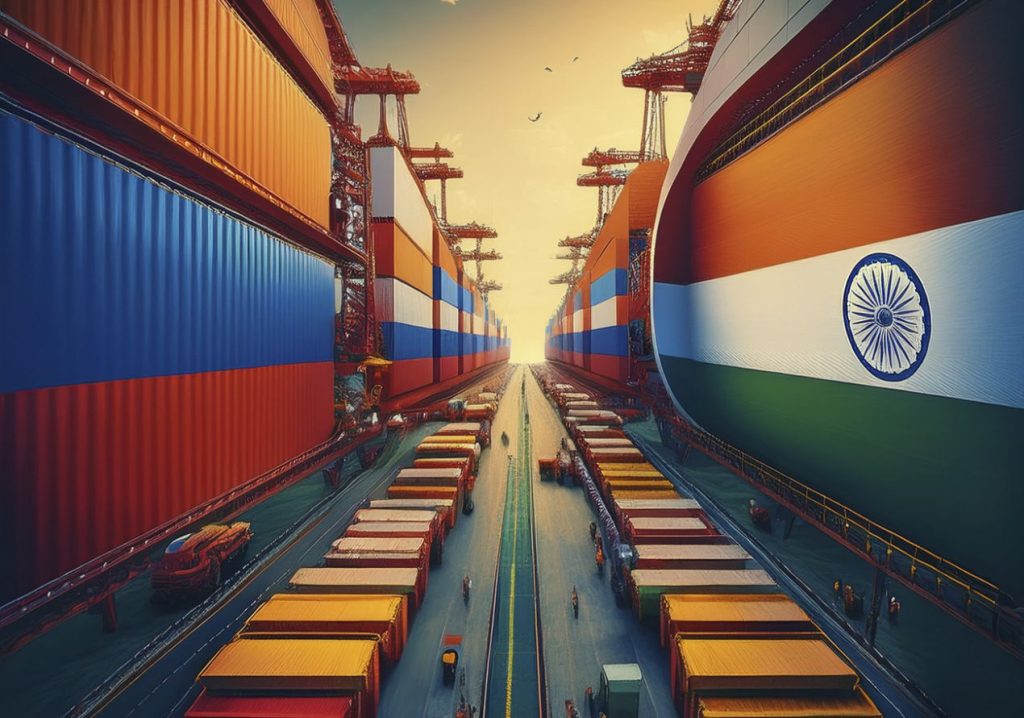
In the intricate tapestry of international relations, few partnerships have demonstrated the durability and depth of that between India and Russia. Amid a world grappling with sanctions and geopolitical shifts, the recent affirmation by Russian envoy Roman Babushkin that India Russia ties remain strong serves as a testament to a bond forged over decades. This statement, emphasizing uninterrupted dialogue, new economic mechanisms, and continued cooperation, reassures both nations of their reliable partnership. As we delve into the nuances of this relationship, it becomes clear that the India Russia alliance is not merely a diplomatic formality but a cornerstone of stability in a turbulent world.

Historical Foundations A Legacy of Trust
The roots of India Russia relations stretch back to the middle of the twentieth century, when India gained independence and the Soviet Union emerged as a key ally. During the Cold War, while India pursued a non aligned movement, it found a steadfast partner in the Soviet Union. This era saw significant cooperation in defense, with India sourcing military equipment and technology from the Soviets. The relationship was cemented through treaties and high level visits, creating a foundation of mutual trust and respect. Over the years, this partnership has evolved, adapting to the post Cold War world, but the core principles of solidarity and support have remained unchanged. The historical context is crucial to understanding why, despite contemporary challenges, the ties between India and Russia are so resilient.
Current Challenges Sanctions and Global Pressure
In recent years, the global political landscape has been marked by increasing sanctions and pressure, particularly on Russia following events in Ukraine. These sanctions have ripple effects across the world, impacting trade and diplomatic relations. For India, which has historically maintained strong ties with both Russia and the West, navigating this complex environment has required delicate diplomacy. Despite these pressures, as envoy Babushkin noted, the India Russia partnership has not wavered. This resilience is attributed to the strategic importance both nations place on their relationship, recognizing that their cooperation transcends immediate geopolitical conflicts. The ability to withstand external pressure highlights the maturity and depth of their alliance.

Uninterrupted Dialogue The Key to Resilience
One of the pillars of the India Russia partnership is the commitment to uninterrupted dialogue. Regular high level meetings between leaders, diplomats, and officials ensure that both sides are aligned on key issues. This continuous communication allows for the timely addressing of concerns and the exploration of new opportunities. In times of crisis, such as during the sanctions regime, this dialogue has been instrumental in finding workarounds and maintaining economic and strategic ties. The dialogue extends beyond government channels to include think tanks, cultural exchanges, and business forums, fostering a multifaceted relationship that is robust against external shocks.
New Economic Mechanisms Adapting to Change
With traditional financial systems affected by sanctions, India and Russia have been innovative in developing new economic mechanisms. This includes exploring alternative payment systems, such as using national currencies for trade, and enhancing investment in sectors like energy, pharmaceuticals, and technology. The focus on economic diversification ensures that the partnership is not overly reliant on any single sector. For instance, in the energy sector, long term agreements for oil and gas supply have been complemented by joint ventures in renewable energy. These new mechanisms not only circumvent sanctions but also pave the way for a more sustainable and self reliant economic relationship.
Continued Cooperation in Defense and Energy
Defense and energy have traditionally been the bedrock of India Russia cooperation. Despite sanctions, defense deals continue, with India procuring advanced military hardware from Russia and engaging in joint exercises and technology transfer. In energy, Russia remains a key supplier of oil and nuclear fuel to India, with projects like the Kudankulam nuclear power plant symbolizing deep technological collaboration. This cooperation is mutually beneficial: India secures its defense and energy needs, while Russia gains a reliable market and strategic partner in Asia. The ongoing projects and future plans in these sectors underscore the long term commitment of both nations.

Reaffirming Reliable Partnership
Envoy Babushkin statement reaffirms that India and Russia are reliable partners. This reliability is built on a history of keeping promises and supporting each other in international forums. For example, Russia has consistently backed India position on Kashmir and its bid for a permanent seat in the UN Security Council, while India has refrained from criticizing Russia on sensitive issues. This mutual support extends to multilateral organizations like BRICS and the Shanghai Cooperation Organisation, where both countries coordinate closely. The reaffirmation of partnership sends a strong message to the world that their alliance is enduring and based on shared interests.
Future Prospects
Looking ahead, the India Russia partnership is poised to expand into new areas such as digital economy, space exploration, and healthcare. With the global order in flux, both nations recognize the importance of adapting and innovating. The continued emphasis on dialogue and economic mechanisms will likely lead to more resilient ties. Moreover, as emerging powers, India and Russia have a shared interest in promoting a multipolar world where their voices are heard. The future of this partnership is not just about bilateral benefits but also about shaping global governance in a more inclusive direction.
In conclusion, the strength of the India Russia partnership, as highlighted by Russian envoy Roman Babushkin, is a beacon of stability in an uncertain world. Despite sanctions and global pressure, the uninterrupted dialogue, new economic mechanisms, and continued cooperation demonstrate that this relationship is built to last. As both nations navigate the complexities of the twenty first century, their reliable partnership will continue to be a cornerstone of their foreign policies, contributing to regional and global peace and prosperity.