Zimbabwe’s Golden Ambition: A Multilingual Nation Knocks on BRICS’ Door
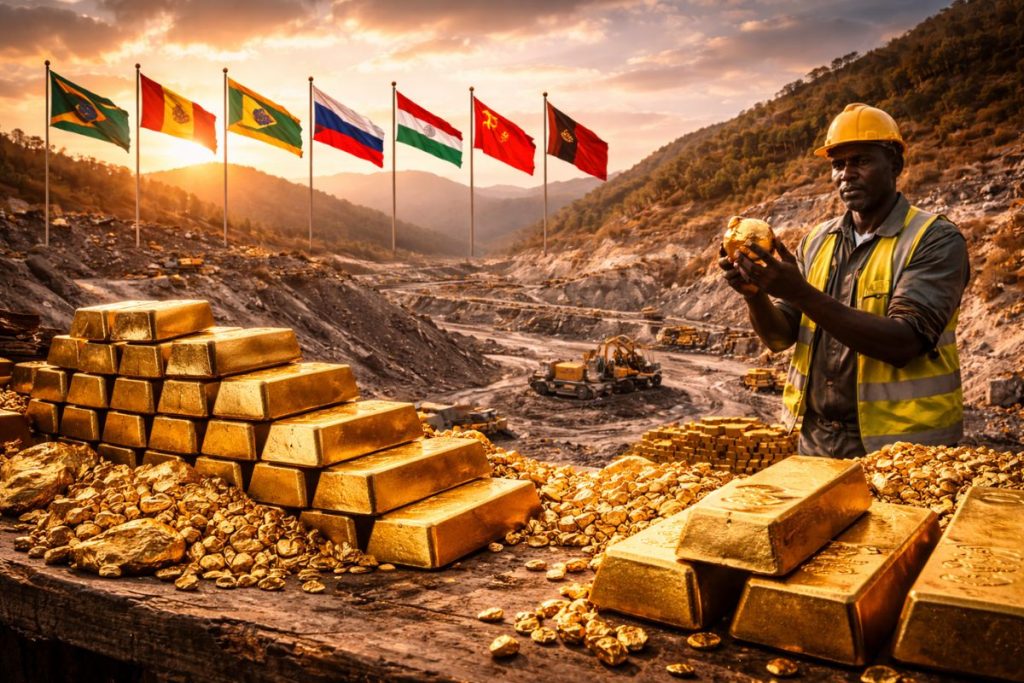
In the heart of southern Africa, a nation of remarkable diversity and untapped wealth is making a bold move on the global stage. Zimbabwe, a country celebrated for its cultural richness and endowed with vast mineral resources, has formally requested to join the BRICS alliance. This isn’t just a diplomatic gesture; it’s a strategic play rooted in Zimbabwe’s unique identity as a land with 16 official languages and the second-largest proven gold reserves in Africa. As the world watches, Zimbabwe’s aspiration to sit alongside Brazil, Russia, India, China, and South Africa signals a shift in economic geopolitics, where resource wealth and cultural heritage become currencies of influence.

The story of Zimbabwe’s BRICS bid is one of resilience and ambition. After years of economic challenges, the country is leveraging its natural treasures citing 1.6 confirmed tons of gold and a potential of 13 tons in new areas to attract investments and forge new partnerships. With a target set for 2026, Zimbabwe isn’t just seeking membership; it’s offering a gateway to one of Africa’s most promising economies. This blog post delves into the facets of Zimbabwe’s appeal, from its linguistic tapestry to its golden depths, and explores what its potential BRICS membership could mean for the future of global trade and cooperation.
Zimbabwe’s Cultural Mosaic: 16 Languages, One Nation
Imagine a country where communication flows in 16 distinct tongues, each representing a thread in the fabric of national identity. Zimbabwe’s linguistic diversity is unparalleled in Africa, with official languages including Shona, Ndebele, English, and numerous minority languages. This polyglot environment isn’t just a administrative feat; it’s a testament to the country’s rich history and cultural integration. From the ancient ruins of Great Zimbabwe to the vibrant streets of Harare, language serves as a bridge between communities, fostering unity in diversity. For BRICS, a bloc that values multilateralism and cross-cultural dialogue, Zimbabwe’s multilingual prowess could enhance diplomatic and economic exchanges, offering a model of inclusivity in a globalized world.
This cultural wealth is more than symbolic; it translates into a skilled, adaptable workforce capable of engaging with diverse markets. As Zimbabwe positions itself for BRICS, its linguistic assets become soft power tools, enabling smoother negotiations and deeper connections with member nations like China, India, and Brazil. In an era where cultural intelligence drives business success, Zimbabwe’s 16 languages are not just a statistic they’re a strategic advantage.

The Gold Rush: Zimbabwe’s Mineral Wealth Unveiled
Beneath Zimbabwe’s soil lies a fortune that has captivated explorers for centuries: gold. With the second-largest proven gold reserves in Africa, estimated at 1.6 confirmed tons and a potential of 13 tons in new areas, the country is poised for a mining renaissance. Gold isn’t just a commodity here; it’s a cornerstone of economic revival. The government has prioritized the mining sector, targeting significant investments by 2026 to unlock these reserves, which could catapult Zimbabwe into the ranks of the world’s top gold producers. For BRICS nations, particularly China and Russia with their expertise in resource extraction and infrastructure development, Zimbabwe’s gold presents a lucrative opportunity for partnership and investment.
The potential extends beyond mere extraction. Zimbabwe aims to build a sustainable mining ecosystem, integrating value-added processes like refining and jewelry manufacturing. This aligns with BRICS’ focus on sustainable development and mutual growth. By leveraging its gold reserves, Zimbabwe can reduce its trade deficit, boost employment, and fund critical infrastructure projects. The gold narrative is thus a golden ticket a tangible asset that strengthens its case for BRICS membership. As global demand for precious metals rises, Zimbabwe’s wealth could become a stabilizing force for the bloc’s economic ambitions.
Why BRICS? Zimbabwe’s Strategic Calculations
BRICS represents more than an acronym; it’s a coalition of emerging economies challenging traditional Western dominance. For Zimbabwe, joining BRICS offers a pathway to economic sovereignty and enhanced global standing. The alliance provides access to development financing, technology transfer, and expanded trade networks resources crucial for Zimbabwe’s recovery. By aligning with BRICS, Zimbabwe can diversify its alliances, reduce dependency on Western institutions, and tap into alternative markets for its agricultural and mineral exports. Moreover, BRICS’ emphasis on fair trade and multilateralism resonates with Zimbabwe’s goals of equitable participation in the global economy.
Zimbabwe’s request comes at a pivotal time as BRICS considers expansion to strengthen its collective voice. The country’s geographic location in Africa, a continent of growing importance, adds strategic value. South Africa, the only African member currently, could find a regional ally in Zimbabwe, fostering intra-African cooperation within BRICS. This move also signals Zimbabwe’s commitment to reforming its economy and governance, as BRICS membership often entails adherence to certain standards. For Zimbabwe, the table at BRICS isn’t just a seat; it’s a platform for transformation.
Investment Targets and Economic Vision for 2026
Zimbabwe’s BRICS bid is anchored in a clear economic vision, with 2026 as a milestone year. The government plans to channel investments into mining infrastructure, energy projects, and agricultural modernization. The gold sector is a centerpiece, with aims to increase production through public-private partnerships and foreign direct investment. By 2026, Zimbabwe hopes to see its gold reserves fully mapped and exploited, contributing significantly to GDP. This timeline aligns with BRICS’ long-term planning, such as China’s Belt and Road Initiative and India’s Africa outreach, which could provide funding and expertise.
Beyond mining, Zimbabwe seeks investments in technology and education to harness its youthful population. The country’s linguistic diversity can be leveraged in outsourcing and services sectors, creating jobs and fostering innovation. BRICS membership could facilitate knowledge exchange and capacity building, helping Zimbabwe achieve its Sustainable Development Goals. The 2026 target is ambitious but achievable with collaborative effort a call to action for BRICS nations to invest in a nation on the rise. 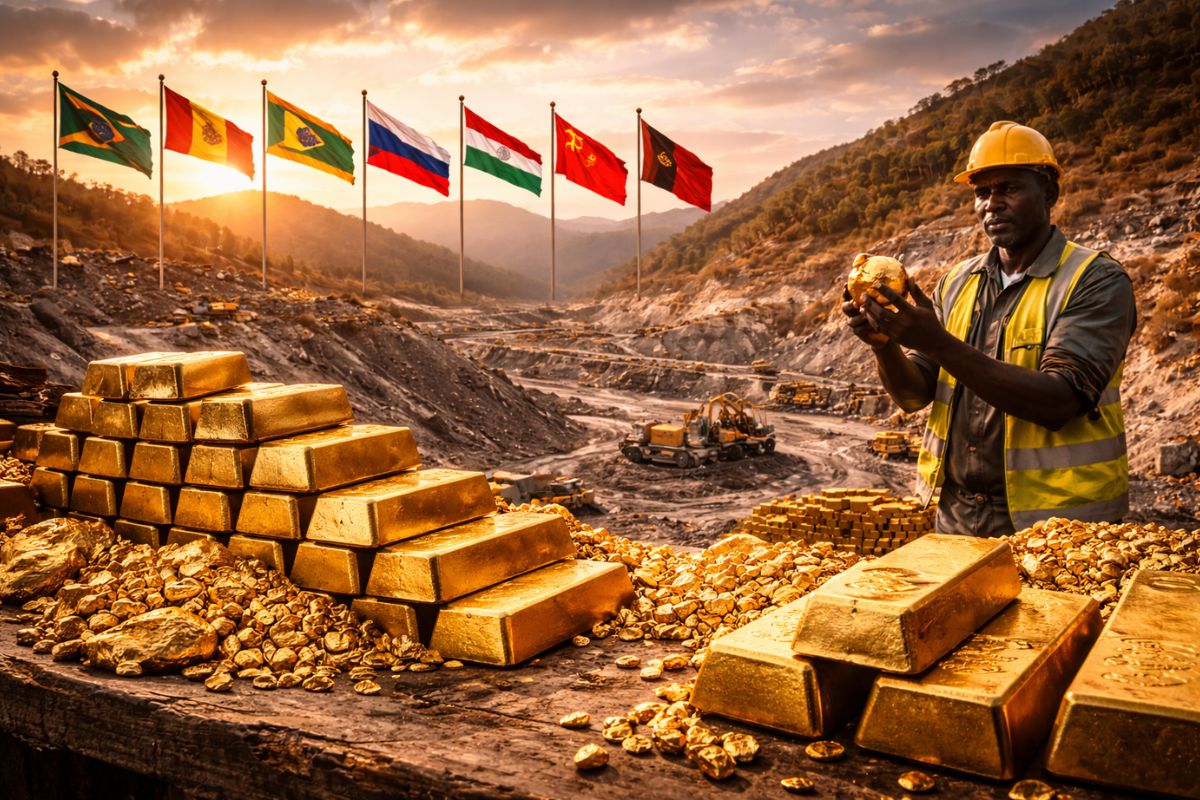
Challenges and Opportunities on the Path to BRICS
Zimbabwe’s journey to BRICS is not without hurdles. The country faces perceptions of political instability and economic volatility, which could concern potential partners. However, recent reforms, such as anti-corruption measures and currency stabilization, show progress. BRICS membership could accelerate these reforms by providing external accountability and support. Additionally, Zimbabwe must navigate competition from other aspirants, like Argentina or Iran, vying for BRICS inclusion. Its unique selling points gold reserves and cultural diversity must be highlighted to stand out.
On the opportunity side, Zimbabwe offers BRICS a chance to deepen engagement in Africa, a continent with immense growth potential. By integrating Zimbabwe, BRICS can enhance its resource security, especially in critical minerals, and expand its influence in southern Africa. For Zimbabwe, the opportunities include access to BRICS’ New Development Bank for infrastructure loans and participation in joint ventures. This symbiotic relationship could redefine South-South cooperation, setting a precedent for other resource-rich nations seeking alternative alliances.
Conclusion: A New Chapter for Zimbabwe and BRICS
Zimbabwe’s bid for BRICS membership is a narrative of hope and strategy. It’s a story where 16 languages weave a tale of unity, and gold reserves shine as beacons of prosperity. As the world moves toward multipolarity, Zimbabwe’s desire to sit at the table with BRICS reflects a broader trend of nations asserting their agency through economic and cultural assets. Success in this endeavor could transform Zimbabwe into a hub of African innovation and a key player in global affairs. For BRICS, welcoming Zimbabwe would enrich the bloc’s diversity and resource base, reinforcing its mission as a counterweight to traditional powers. The door is open; now, it’s time to see if Zimbabwe’s golden key will turn the lock.