The Unspoken Pivot: Europe’s Covert Return to Russian Energy Amid Global Crises
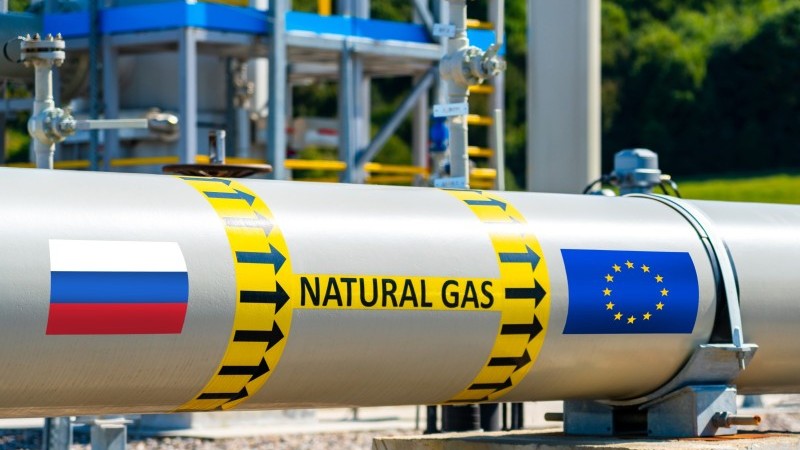
Imagine a continent vowed to never again depend on a former adversary for its lifeblood energy. That was Europe after the invasion of Ukraine, swearing off Russian gas with the mantra not one molecule. Yet today, that resolve is silently cracking under the weight of geopolitical earthquakes and cold economic truths. The once unified front is now a tapestry of fraying threads, as internal divisions and external shocks push Europe toward a reluctant reconciliation with Russian energy. This is the story of how promises made in heat are undone by the chill of reality.

The Bold Promise and the Harsh Reality
Brussels maintains a hard line rhetoric on Russian gas, publicly committing to phase out imports and diversify energy sources. However, behind this steadfast facade, internal divisions and energy shocks are growing. The initial unity spurred by conflict is giving way to pragmatic concerns as winter approaches and prices soar. The reality is that replacing Russian gas entirely is a herculean task, one that many European nations are struggling to achieve without crippling their economies. Industries from manufacturing to agriculture face existential threats, while households brace for unaffordable bills. The pledge of not one molecule, born of moral outrage, is colliding with the immutable laws of supply and demand. Europe finds itself trapped between its ideals and its needs, a dilemma that grows more acute with each passing day.
Cracks in the United Front: EU Internal Divisions
Europe is not a monolith. While Western European powers like Germany and France push for renewable transitions and alternative suppliers, Eastern European countries face more immediate pressures. Nations heavily reliant on Russian pipelines are caught between political allegiance and economic survival. This divergence is creating fissures in the EU’s collective strategy, making a coherent energy policy increasingly elusive. The energy crisis has exposed the delicate balance between sovereignty and solidarity. Countries like Hungary and Slovakia, with deep historical ties to Russian gas networks, openly question the feasibility of abrupt cuts. Meanwhile, richer member states advocate for faster decarbonization, often overlooking the stark disparities in energy infrastructure. These internal rifts are not merely political; they are existential, threatening the very fabric of European unity. As negotiations stall and tempers flare, the dream of a common energy market seems distant, replaced by a patchwork of bilateral deals and stopgap measures.

The Trump Factor and Middle East Flames
Enter Donald Trump. His potential return to the White House and his America First policies cast a long shadow over European energy security. Trump’s past actions, such as pressuring Europe to buy more expensive American LNG, and his unpredictable stance on international alliances, force Europe to reconsider its dependencies. Simultaneously, escalation in the Middle East, particularly involving Iran, threatens oil and gas routes, destabilizing global markets. These twin pressures are reshaping Europe’s strategic calculus, pushing leaders to seek stability even from uncomfortable sources. The conflict in Iran, with its ripple effects across the Persian Gulf, could disrupt maritime channels that carry vital energy supplies to Europe. In this volatile landscape, relying on distant allies becomes a gamble, and the allure of nearby, predictable Russian gas grows stronger. Trump’s transactional diplomacy adds another layer of uncertainty, compelling Europe to look inward and eastward for solutions. The geopolitics of energy are shifting, and Europe must adapt or risk being left in the cold.
The Quiet Recalculation: Towards a Russian Rapprochement
Amidst this turmoil, a path toward renewed ties with Russia is quietly taking shape. While public statements remain tough, behind closed doors, discussions about resuming gas imports are likely occurring. The economics are compelling: Russian gas is cheaper and more readily available via existing infrastructure. For industries and consumers facing soaring costs, the appeal is undeniable. This silent shift is not about forgiveness but about necessity, as Europe grapples with the complex interplay of energy, economics, and geopolitics. Diplomats and energy executives engage in hushed dialogues, exploring ways to restart flows without overtly breaking political taboos. The Nord Stream pipelines may be dormant, but other routes through Ukraine or Turkey offer plausible channels. This recalculation is driven by a stark realization: energy security trumps ideological purity in a world where winters are long and economies fragile. The return to Russian energy, though partial and discreet, is becoming a pragmatic compromise in Europe’s survival playbook.
What Lies Ahead: Energy, Economics, and Ethics
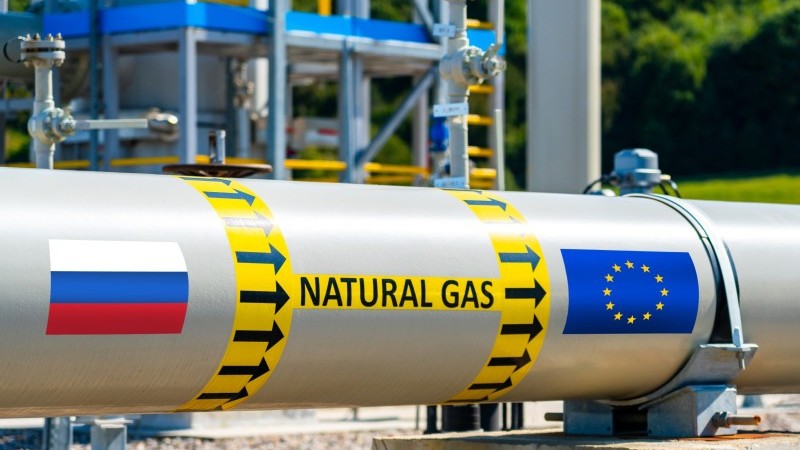
The convergence of these factors points to a future where Europe may gradually reintegrate Russian gas into its energy mix. This does not mean a return to prewar dependence, but a recalibrated relationship where energy trade continues under new terms. The ethical dilemmas are profound, balancing moral stance against practical needs. Europe must navigate this tightrope carefully, ensuring that energy security does not come at the cost of strategic autonomy or support for Ukraine. The path forward will require nuanced diplomacy, investment in alternative sources, and a honest reckoning with the limits of green transitions. As global tensions escalate, Europe’s energy choices will define its role on the world stage. Will it uphold its principles, or will it succumb to the inexorable pull of realpolitik? The answer lies in the quiet corridors of power, where decisions are made not with fanfare, but with a weary acceptance of reality.
Conclusion: The Inevitable Shift
The journey from not one molecule to pragmatic engagement is a testament to how quickly geopolitical realities can override political pledges. As internal divisions widen and external shocks multiply, Europe’s energy strategy is undergoing a silent transformation. The return to Russian energy, however partial, seems increasingly inevitable. This pivot will redefine Europe’s role on the global stage, testing its unity and principles in the face of enduring challenges. The world watches as Europe balances its ideals with its survival, in a drama where energy is both the prize and the pawn. In the end, the molecule that was once banished may quietly return, a symbol of compromise in an uncompromising world.