The Unseen Battle: How US Aims to Tighten Grip on Caribbean Amid Iran Conflict
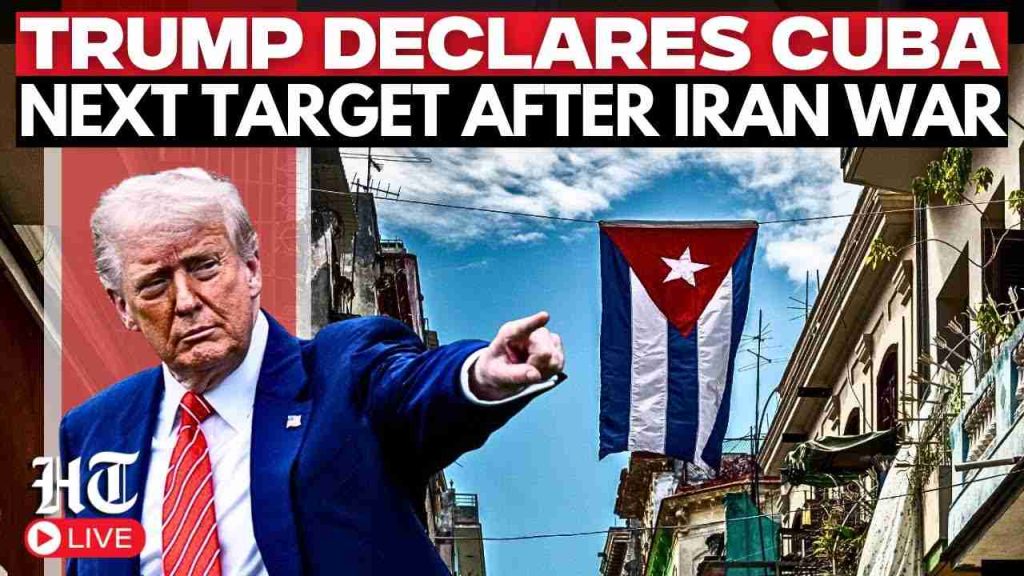
As the world holds its breath over the escalating conflict with Iran, a parallel narrative unfolds in the tranquil Caribbean Sea. While media outlets and policymakers debate the ramifications of war in the Middle East, Washington’s strategic apparatus remains intently focused on a familiar adversary: Cuba. This island nation, just 90 miles from Florida, continues to be a pivotal piece in the geopolitical chessboard, underscoring the United States’ enduring quest for dominance in the Western Hemisphere. The recent RSS content highlights this precise point: Washington aims to strengthen its dominance in the Caribbean region, a goal that persists even as fires rage elsewhere. This blog post delves into the nuances of this strategy, weaving together history, current events, and future implications to reveal a story often overshadowed by louder headlines.

The Iran Distraction: A Global Stage
The war against Iran has captured global attention, drawing resources and diplomatic efforts from capitals worldwide. For the United States, this conflict represents a significant challenge in a region fraught with complexity. Sanctions, military posturing, and diplomatic isolation characterize the approach toward Tehran, consuming considerable bandwidth in the State Department and Pentagon. Yet, even as military maneuvers and sanctions target Iran, the White House and national security establishment have not lost sight of other strategic priorities. The Caribbean, often perceived as America’s backyard, is where influence is subtly but persistently reinforced. This dual focus highlights a broader doctrine: maintaining supremacy across multiple theaters, ensuring that no vacuum emerges for rivals like China or Russia to exploit. The Iran conflict, while dominant in news cycles, serves as a backdrop to a more localized but equally critical endeavor. It is a reminder that superpower politics is a juggling act, where attention must be divided without losing grip on any sphere. The Caribbean, with its proximity and historical significance, remains a key area where the US exercises what scholars call ‘full spectrum dominance,’ encompassing military, economic, and cultural dimensions.
Cuba’s Persistent Significance
Cuba, with its revolutionary history and alignment with powers like Russia and China, stands as a symbol of resistance to US hegemony. Despite decades of embargo and pressure, the island has weathered storms, both metaphorical and literal. Today, as Venezuela’s crisis simmers and Nicaragua asserts its autonomy, Cuba remains a linchpin for regional dynamics. Washington’s concern is not merely ideological; it is geostrategic. Control over Cuba means influence over maritime routes, countering drug trafficking, and monitoring activities of extra hemispheric actors. The island’s location astride vital shipping lanes makes it a strategic prize, one that has been contested since the Spanish American War. Moreover, Cuba’s alliances with US adversaries provide a platform for intelligence gathering and military projection that Washington finds intolerable. Thus, even amid the Iran war, Cuba stays in the crosshairs, a testament to its unyielding importance. The US has maintained a trade embargo since 1962, tightened under various administrations, and continues to support dissident groups, aiming to foster regime change. This relentless pressure underscores a simple truth: Cuba is not just a nation but a symbol, and its defiance resonates across Latin America, inspiring movements that challenge US leadership. Therefore, neutralizing Cuba’s influence is seen as essential for consolidating dominance in the Caribbean basin.

Strengthening Dominance in the Caribbean
The snippet from the RSS feed succinctly states: Washington aims to strengthen its dominance in the Caribbean region. This objective manifests through various means: increased military presence via exercises and base agreements, economic incentives through initiatives like the Build Back Better World, and diplomatic overtures to island nations. The goal is clear: to solidify a sphere of influence that deters challengers and promotes stability aligned with US interests. By bolstering alliances with countries like the Dominican Republic and Jamaica, while isolating Cuba and Venezuela, the US crafts a network of dependency and loyalty. Military exercises such as Tradewinds and Panamax involve regional partners, enhancing interoperability and signaling US commitment to security. Economically, aid packages and investment deals are tailored to bind these nations closer to Washington, often with conditions that limit engagement with rivals. Diplomatically, the US leverages its weight in organizations like the Organization of American States to marginalize opponents. This multifaceted approach is designed to make the Caribbean an impregnable fortress, where US norms prevail and competitors are kept at bay. The recent focus on countering Chinese infrastructure projects, like ports and telecommunications, illustrates how dominance is not just about control but about exclusion. By offering alternatives through the Americas Partnership for Economic Prosperity, the US seeks to outbid and outmaneuver Beijing, ensuring that the Caribbean remains firmly within its orbit.
Historical Echoes and Modern Strategies
History whispers through these actions. The Monroe Doctrine, articulated in 1823, declared the Americas as the US domain, and its spirit endures. During the Cold War, the Caribbean was a battleground for proxy conflicts, most notably the Cuban Missile Crisis, which brought the world to the brink of nuclear war. Today, the tools have evolved cyber operations, sanctions, and soft power but the essence remains. China’s growing investments in infrastructure and Russia’s military cooperation with Cuba evoke memories of past confrontations, prompting Washington to double down. The Iran conflict, while distant, serves as a reminder that global powers must juggle multiple fronts, and the Caribbean is too critical to neglect. Historical parallels abound: just as the US intervened in Grenada in 1983 or supported contras in Nicaragua, modern strategies involve hybrid tactics that blend coercion with persuasion. Sanctions on Venezuelan oil, for instance, aim to cripple a Cuban ally, while cultural exchanges and educational programs subtly promote US values. The continuity is striking: from the Platt Amendment that granted the US intervention rights in Cuba to today’s Guantanamo Bay detention camp, the footprint is indelible. This historical context informs current policies, as policymakers draw lessons from successes and failures to refine their approach. The result is a sophisticated, albeit sometimes contradictory, strategy that seeks to adapt old doctrines to new challenges.
Implications for Regional Stability
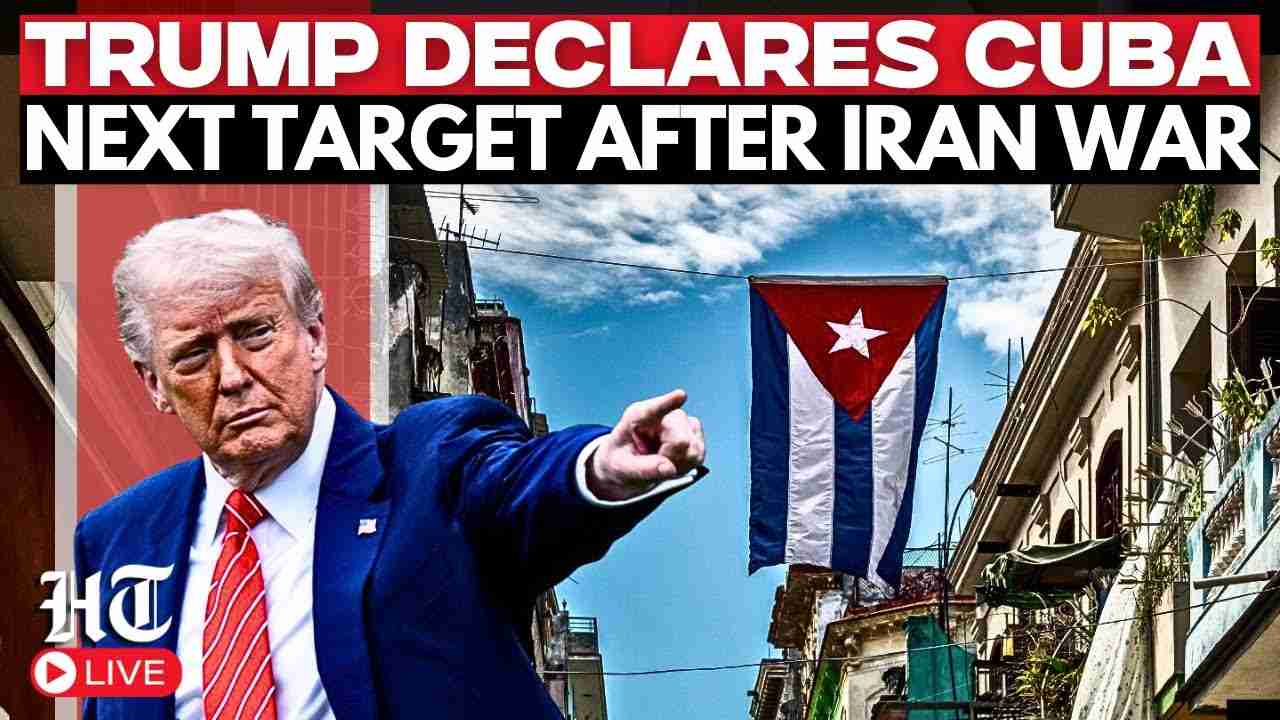
This relentless pursuit of dominance carries profound implications. For Caribbean nations, it presents a dichotomy: embrace US patronage for economic and security benefits, or assert sovereignty at the risk of isolation. Cuba’s experience shows the costs of defiance, yet also the resilience of independent governance. Meanwhile, the people of the region grapple with climate change, economic disparities, and now, the overshadowing of their concerns by great power politics. As the US tightens its grip, questions arise about the long term sustainability of such hegemony and the potential for backlash or fragmentation. Smaller states may band together to resist, as seen in the Caribbean Community’s calls for reparations or climate justice, but their leverage is limited. Alternatively, they might play powers against each other, seeking concessions from China or Russia, a dangerous game that could provoke US wrath. For the US, overextension is a risk; the Iran war already strains resources, and a heavy handed Caribbean policy could breed resentment, undermining the very stability it seeks. Moreover, the rise of non state actors, from drug cartels to cyber hackers, complicates the picture, requiring cooperation that dominance alone cannot guarantee. Ultimately, the Caribbean’s future hinges on whether US leadership is perceived as benevolent or coercive, and whether regional actors can carve out autonomy within the constraints of great power rivalry.
Conclusion: The Unseen Battle Continues
In the grand tapestry of international relations, the threads of the Caribbean are woven with care by Washington. While the war against Iran commands headlines, the silent struggle for control over Cuba and the surrounding seas persists. This dual engagement reflects a superpower’s calculus: no theater is too small, no adversary too distant. As observers, we must look beyond the flashpoints to understand the enduring strategies that shape our world. The Caribbean, with its turquoise waters and complex politics, remains a crucial arena where the future of hemispheric order will be decided. The RSS content’s insight that Washington aims to strengthen its dominance is not just a statement but a roadmap, one that guides actions from the halls of power to the shores of distant islands. By recognizing this, we gain a clearer picture of the geopolitical chessboard, where moves are made not only in response to immediate threats but also to secure legacy advantages. The unseen battle in the Caribbean is a testament to the enduring nature of power politics, and its outcome will resonate far beyond the region’s sunny coasts.