The Unraveling Garrison: Britain’s Cyprus Bases in the Crosshairs of History
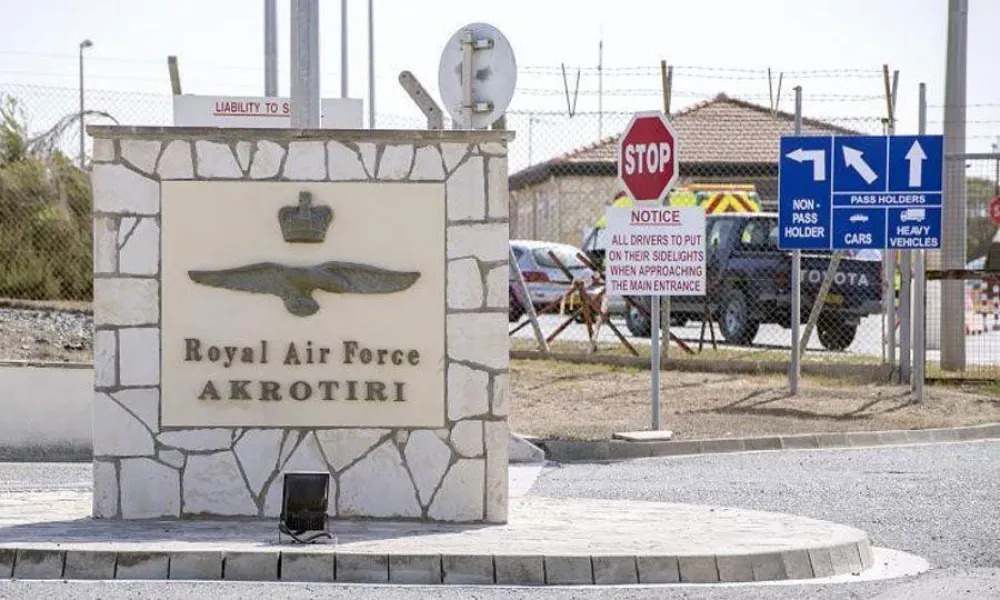
The sun beats down on the azure waters of the Eastern Mediterranean, but a shadow of uncertainty stretches across the docks of Akrotiri. Here, at one of Britain’s last sovereign military bases overseas, the expected silhouette of the Royal Navy’s Type 45 destroyer, HMS Dragon, remains conspicuously absent. Its delayed arrival is more than a logistical footnote; it is a symbol of a deepening quandary. The British military presence on Cyprus, a stark remnant of colonial rule, now faces a doubtful and contentious future. As geopolitical tides shift and local resentment simmers, these bases stand as fortresses of a bygone era, their walls echoing with the consequences of empire.

The Colonial Anchor: A Legacy Cast in Treaty Stone To understand the present, one must voyage back to 1960. When Cyprus gained independence from British rule, the price of sovereignty was etched into the very foundation of the new nation. The Treaty of Establishment granted the United Kingdom the right to retain sovereignty over two areas: Akrotiri and Dhekelia, encompassing nearly 100 square miles of Cypriot soil. These Sovereign Base Areas (SBAs) were justified as strategic necessities during the Cold War, offering a listening post and a launchpad for operations in the Middle East. For decades, they functioned as unsinkable aircraft carriers, pivotal in conflicts from Suez to the Gulf Wars. Yet, from their inception, they were a paradox: enclaves of British territory on an independent island, a permanent reminder of colonial subjugation.
The Strategic Chessboard: Cyprus in the Great Game The value of these bases has only grown in the 21st century, but so have the complications. Akrotiri’s runway is a critical node for allied airpower, supporting missions against ISIS and monitoring Russian activity in the region. Dhekelia’s facilities provide logistics and intelligence for a volatile neighborhood. For NATO, they are a southeastern bulwark. For the UK, they represent a last vestige of global power projection, a tangible link to its imperial past and a tool for its ‘Global Britain’ aspirations. However, this strategic utility is increasingly weighed against diplomatic costs. The bases exist on a divided island, with the Republic of Cyprus controlling the south and Turkish forces occupying the north. Their presence is a constant irritant in relations with both the Greek Cypriot government and Turkey, complicating an already fragile peace process.

HMS Dragon and the Whisper of Disengagement The non-arrival of HMS Dragon, a state-of-the-art air defense destroyer, serves as a potent metaphor. While operational reasons may account for the delay, it occurs against a backdrop of strained resources and political reevaluation. The British military is stretched thin, and maintaining two major overseas bases is a costly endeavor. Furthermore, the legal and moral footing of the SBAs is being questioned like never before. Cypriot politicians, across the spectrum, increasingly vocalize their desire for the bases’ removal, framing them as an anachronistic occupation. The phrase ‘colonial consequence’ is no longer confined to academic journals; it is shouted in protests and debated in the halls of the EU Parliament. The bases, once seen as guarantors of stability, are now viewed by many as obstacles to true Cypriot sovereignty and reconciliation.
Mounting Pressures: Local Winds and Global Storms Opposition is not merely rhetorical. Environmental lawsuits challenge the bases’ operations, citing damage from military exercises. Land disputes with local communities flare up periodically. On the global stage, Russia and China keenly observe the situation, recognizing an opportunity to weaken Western influence in the Mediterranean. For the European Union, of which Cyprus is a member, the British enclaves are a legal peculiarity post-Brexit. The geopolitical chessboard is being rearranged, and the pieces no longer move according to old imperial rules. The UK’s ’tilt’ to the Indo-Pacific further begs the question: how long can it sustain a full-scale commitment to Cyprus when strategic priorities are shifting eastward?
The Fork in the Road: Scenarios for a Sovereign Future What, then, lies ahead? Several paths diverge from this point. One is a status quo of gradual erosion, where political friction and operational constraints slowly diminish the bases’ utility. Another is a bold renegotiation, perhaps converting the SBAs into jointly managed facilities under Cypriot ultimate sovereignty, akin to some U.S. bases in allied countries. A more dramatic, though less likely, scenario is a complete withdrawal, triggered by a fundamental breakdown in relations or a UK strategic retreat. Each path carries profound implications. A reduced presence could create a security vacuum others might fill. A negotiated settlement could become a model for resolving other post-colonial military legacies. A full withdrawal would signal a definitive end to a chapter of British history, with unpredictable consequences for Mediterranean security architecture.
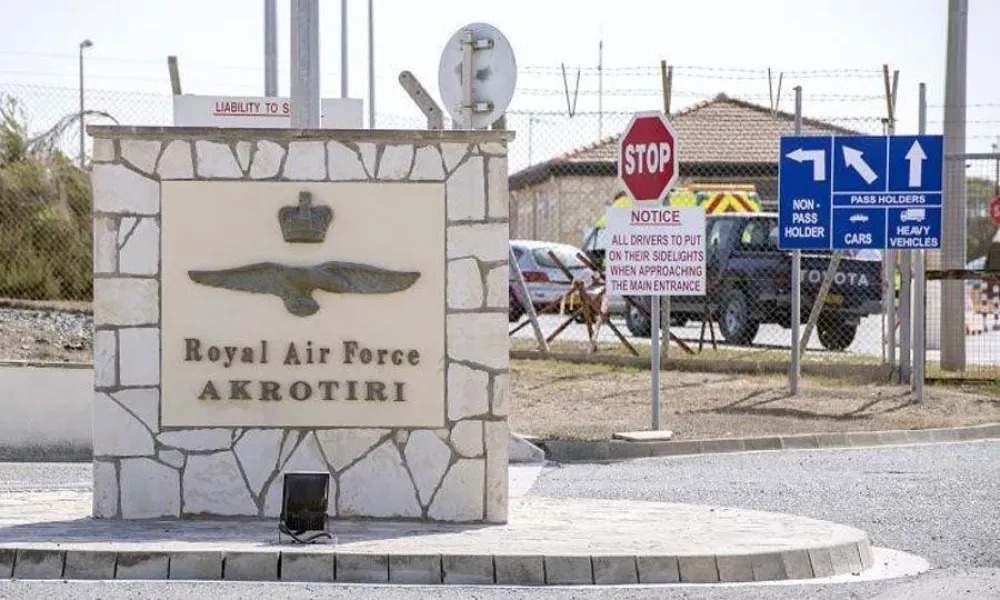
Conclusion: Sunset Over Akrotiri The doubtful future of the British bases in Cyprus is more than a defense policy issue; it is a narrative about the long tail of history. The colonial consequence is now colliding with the realities of the 21st century: national self-determination, shifting alliances, and the receding tolerance for imperial footprints. HMS Dragon’s delayed journey mirrors Britain’s own hesitant navigation away from its past. As the world watches, these bases stand as monuments to an era that is passing. Their fate will be decided not just by admirals and diplomats, but by the enduring spirit of a people long under the shadow of a foreign flag. The twilight of empire is casting its final, long light on the shores of Cyprus, and a new dawn, for better or worse, is on the horizon.