The Political Standoff: Ukraine’s Firm Stance on the Druzhba Pipeline
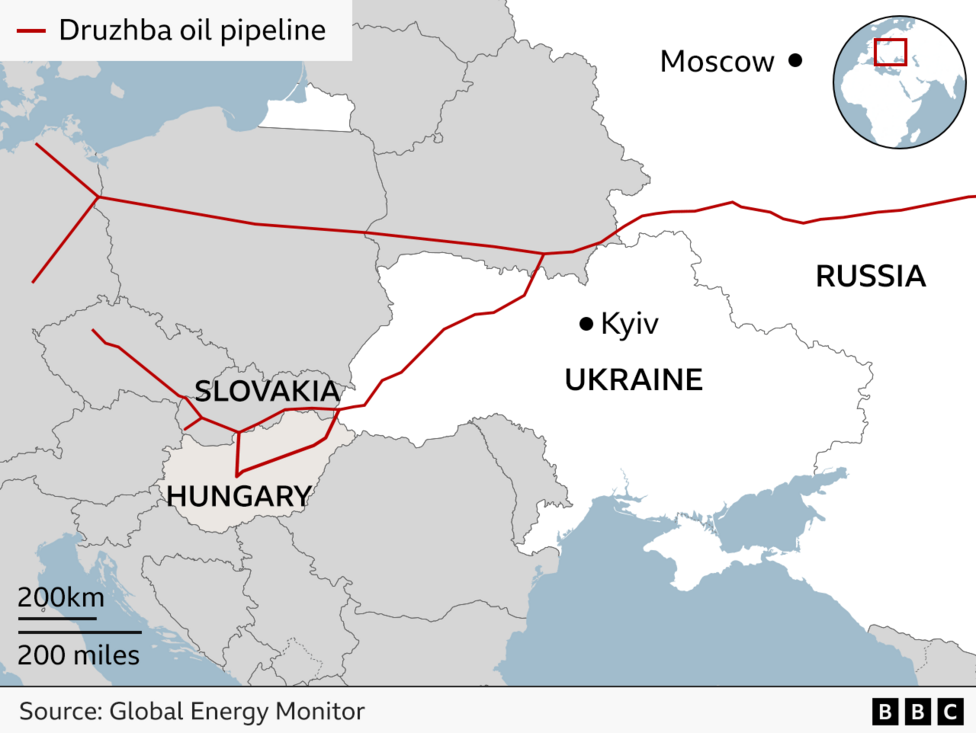
In the heart of Europe, where energy flows like lifeblood through vast networks of steel, the Druzhba pipeline has long been a symbol of interconnection and dependency. Stretching from the oil fields of Russia to the refineries of Central and Eastern Europe, this artery has fueled economies for decades. Yet, today, it is at the center of a brewing storm, with Ukraine taking an unyielding position that has drawn sharp criticism from Hungarian Foreign Minister Peter Szijjarto, who labels the attitude as purely political. This story is not just about oil; it is about power, sovereignty, and the intricate dance of geopolitics on a continent still grappling with its past.

The Druzhba Pipeline: Europe’s Energy Lifeline
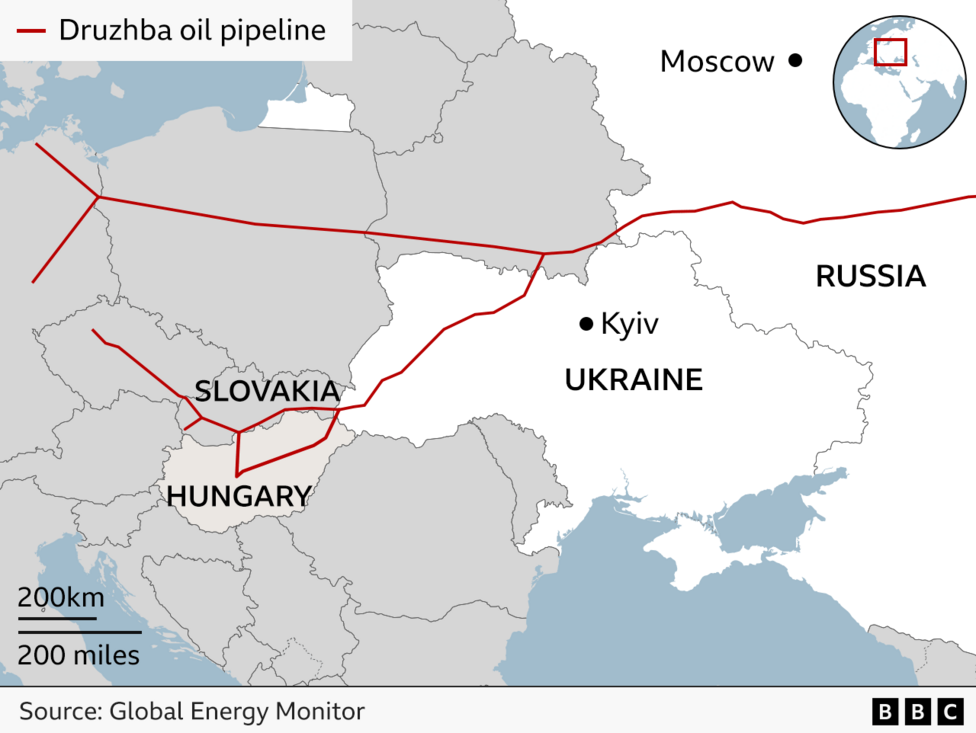
Druzhba, meaning friendship in Russian, was once a testament to Soviet era cooperation, designed to supply crude oil to socialist allies. Over time, it evolved into a critical component of Europe’s energy infrastructure, transporting millions of barrels annually across borders. For countries like Hungary, Slovakia, and Germany, the pipeline is a vital source of energy, ensuring the lights stay on and industries hum with activity. Its significance cannot be overstated in an era where energy security is synonymous with national security. The pipeline’s route through Ukraine, however, adds a layer of complexity, as geopolitical tensions transform this conduit into a potential chokepoint.
Ukraine’s Intransigence: A Strategic Move
Recent developments have seen Ukraine adopt a firm stance on issues related to the Druzhba pipeline, from transit fees to operational controls. This intransigence, as described by observers, stems from a broader context of Ukraine’s efforts to assert its sovereignty and leverage its geographic position. After years of conflict with Russia and ongoing negotiations with the European Union, Ukraine views energy infrastructure as a key bargaining chip. The government in Kyiv has emphasized the need for fair terms that reflect its strategic importance, while also seeking to reduce dependency on Russian energy. This posture, however, has sparked concern among European partners who rely on uninterrupted flows.

Szijjarto’s Perspective: Politics Over Pragmatism
Hungarian Foreign Minister Peter Szijjarto has been vocal in his criticism, characterizing Ukraine’s attitude as purely political. In diplomatic circles, his remarks underscore a growing frustration with what some see as Kyiv’s willingness to prioritize political objectives over practical energy needs. Szijjarto, representing a nation deeply dependent on Druzhba, argues that such moves risk destabilizing European energy markets and undermining trust. He points to historical instances where energy disputes have escalated, warning that political posturing could have dire consequences for regional stability. This accusation highlights the delicate balance between national interests and collective security in Europe.
Historical Context: Energy as a Geopolitical Tool
The use of energy pipelines as instruments of political influence is not new. From the Cold War era to more recent gas disputes between Russia and Ukraine, Europe has witnessed how energy corridors can become battlegrounds for wider conflicts. The Druzhba pipeline itself has faced interruptions due to political spats, reminding stakeholders of its vulnerability. Ukraine’s current stance can be seen as part of this historical pattern, where control over infrastructure translates into leverage in international negotiations. As the world shifts towards renewable sources, fossil fuel networks like Druzhba remain flashpoints, echoing past divisions and shaping future alliances.
Implications for European Energy Security
The standoff over Druzhba raises urgent questions about Europe’s energy resilience. With tensions rising, countries are scrambling to diversify their supplies, investing in alternative routes and sources. However, the transition away from Russian oil is gradual, and in the short term, disruptions could lead to price spikes and supply shortages. For consumers and businesses alike, this uncertainty is a stark reminder of the interconnectedness of global energy markets. Moreover, the dispute tests the solidarity of the European Union, as member states weigh their individual needs against collective responses. The outcome could redefine energy policies for years to come.
Paths to Resolution: Diplomacy in a Divided Landscape
Finding a way out of this impasse requires delicate diplomacy and a willingness to compromise. Experts suggest that multilateral dialogue, involving the European Commission, Ukraine, and affected nations, is essential to address technical and financial grievances. Transparency in transit agreements and investment in infrastructure modernization could alleviate concerns. Additionally, fostering energy cooperation through broader frameworks, such as the European Green Deal, might provide common ground. Yet, with political wills often clashing, the path forward is fraught with challenges. The story of Druzhba is a reminder that in geopolitics, as in energy, flow depends on harmony.
As the sun sets on the plains of Eastern Europe, the Druzhba pipeline continues its silent journey, carrying more than just oil it carries the hopes and fears of nations. Ukraine’s firm stance, while rooted in legitimate aspirations, has ignited a debate that transcends borders. Szijjarto’s characterization of it as purely political underscores the high stakes involved. In the end, this dispute is a microcosm of larger struggles over sovereignty, security, and solidarity. As Europe navigates these turbulent waters, the lessons from Druzhba will echo in boardrooms and capitals, urging leaders to seek solutions that ensure both energy and peace flow uninterrupted.