The Mighty Punch: How South Africa Can Redefine BRICS and Beyond
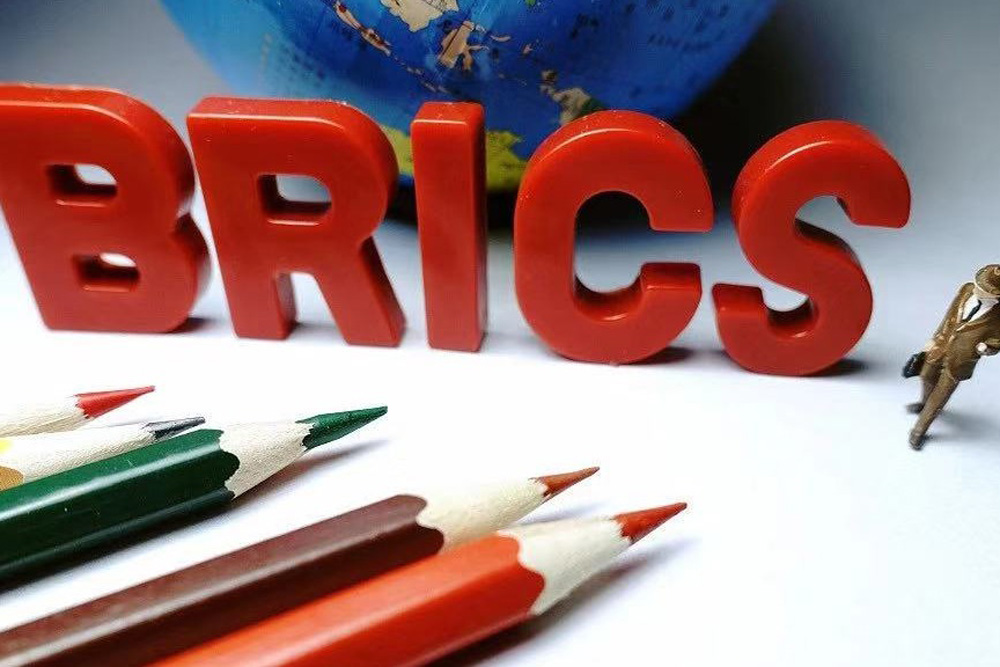
Imagine a boxer, lean yet fierce, stepping into a ring with giants. That’s South Africa in the arena of BRICS, where it faces economic powerhouses like China, Russia, India, and Brazil. Despite its relatively small stature, this nation has consistently delivered punches that resonate across continents. But here’s the twist: the real fight isn’t about size; it’s about strategy. As the world shifts, it’s time for South Africa and businesses within it to leap out of their comfort zones and harness the untapped potential of collaborating with emerging economies. This isn’t just a call to action; it’s a roadmap to redefine global influence.

The Underdog’s Triumph: South Africa’s BRICS Legacy
South Africa’s inclusion in BRICS in 2010 was more than a diplomatic win; it was a recognition of its strategic prowess. Nestled at the southern tip of Africa, this nation serves as a gateway to a continent bursting with resources and opportunity. From mining to finance, South Africa has leveraged its position to foster trade and investment flows within BRICS, contributing to initiatives like the New Development Bank. Yet, its true strength lies in its ability to mediate and innovate, often bridging gaps between diverse economies. Think of it as the nimble navigator in a fleet of cargo ships, steering through geopolitical currents with agility. However, comfort zones have a way of lulling even the most vigilant into complacency. While South Africa punches above its weight, it can throw harder by deepening ties beyond traditional alliances.
The Comfort Zone Conundrum: Why Stagnation Threatens Progress
In business and diplomacy, comfort zones are seductive. They offer familiarity, reduced risk, and predictable outcomes. For South Africa, decades of engagement within BRICS have built a reliable framework, but reliance on this alone is akin to planting a flag on a hill and refusing to explore the valley below. The global economy is evolving rapidly, with new emerging markets in Southeast Asia, Latin America, and Africa itself rising to prominence. Staying confined to existing partnerships limits South Africa’s access to innovation, diverse markets, and resilient supply chains. Consider the digital revolution: while BRICS nations advance in tech, collaboration with startups in Nigeria or Indonesia could spark breakthroughs in fintech or renewable energy. The lesson is clear: growth demands discomfort. By venturing into uncharted economic territories, South Africa can amplify its impact and avoid the pitfalls of insularity.

Collaboration as Catalyst: Tapping into the Emerging Economy Network
Emerging economies are not just bystanders in the global narrative; they are co-authors. For South Africa, channeling focus toward these dynamic partners can unlock synergies that transcend BRICS. Picture a tapestry woven from threads of shared challenges like infrastructure development, youth unemployment, and climate adaptation. By collaborating with countries such as Vietnam, Mexico, or Kenya, South Africa can exchange best practices, co-invest in projects, and create blended finance models that de-risk investments. This isn’t about abandoning BRICS; it’s about expanding the circle. For instance, South African businesses could partner with Brazilian agritech firms to improve sustainable farming, then scale solutions with Indian digital platforms across Africa. Such triangular cooperation turns competition into collective upliftment, fostering a ripple effect of prosperity. The key is proactive engagement: attending regional forums, forging private-sector alliances, and lobbying for inclusive trade policies that benefit all emerging players.
Blueprints for Action: Practical Steps to Leap Forward
How can South Africa translate this vision into reality? First, prioritize sector-specific task forces that identify complementarities with other emerging economies. In mining, South Africa’s expertise in deep-level extraction could merge with Chile’s copper innovations or Mongolia’s mineral logistics. Second, enhance digital connectivity by investing in cross-border e-commerce platforms that simplify trade for small and medium enterprises. Third, launch ‘BRICS-Plus’ initiatives that invite observer nations like Argentina or Saudi Arabia to joint ventures, blending resources and knowledge. Education is another frontier: exchange programs between South African universities and institutions in Turkey or Malaysia can cultivate a generation of globally-minded leaders. Importantly, businesses must lead this charge by adopting a mindset of exploration sending delegations, piloting projects, and embracing failure as a learning curve. Government support, through incentives and diplomatic backing, will be crucial, but the entrepreneurial spirit must ignite the spark.
The Ripple Effect: South Africa as a Beacon of Change
When South Africa thrives through broader collaboration, the benefits extend far beyond its borders. It becomes a model for other mid-sized economies, demonstrating that influence isn’t proportional to GDP. By championing inclusive growth, South Africa can help reshape global governance, advocating for fairer trade rules and climate finance in forums like the G20 or United Nations. This isn’t mere altruism; it’s strategic elevation. As businesses diversify partnerships, they build resilience against shocks, from pandemics to trade wars. Imagine a future where South African renewable energy firms power homes in Bangladesh, or its healthcare innovations combat diseases in Bolivia. This vision hinges on courage the courage to depart from the familiar and embrace the uncertain. The journey may be daunting, but the destination promises a legacy of impact.
Conclusion: The Time to Punch Harder Is Now
South Africa’s story within BRICS is one of resilience and resourcefulness, but the next chapter beckons with greater ambition. By stepping out of comfort zones and forging robust ties with emerging economies worldwide, this nation can transform from a participant to a pioneer. Businesses, policymakers, and civil society must unite in this endeavor, viewing collaboration not as an option but as an imperative. The ring is set, the giants are watching, and South Africa has the chance to deliver a knockout blow to stagnation. Let’s not just punch above our weight; let’s redefine the weight class altogether. The future of global economics is being written, and with bold moves, South Africa can ensure its lines are indelible.