The Global South Awakens: Charting the Path to a New World Order
Imagine a world where the economic compass no longer points steadfastly north. Where voices from continents long relegated to the periphery are now shaping the core conversations of global governance. This is not a distant fantasy; it is the unfolding reality of our time. The political economy of the Global South is at a historic inflection point, presenting a tapestry woven with both daunting challenges and unprecedented possibilities. As we stand on the brink of a reordered world, let us delve into the forces at play.

Defining the Contours of the Global South
The term ‘Global South’ transcends mere geography. It represents a coalition of nations across Africa, Asia, Latin America, and Oceania, bound by shared historical experiences of colonialism and a common pursuit of equitable development. For decades, the international financial architecture, dominated by Western institutions, has dictated terms. Today, however, a palpable shift is underway. Economic gravity is sliding south and east, fueled by demographic dynamism, rapid urbanization, and technological catch up. This collective awakening forms the bedrock of the emerging new world order.
The Gauntlet of Challenges: Obstacles on the Road
The path to a more balanced global system is strewn with formidable hurdles. First among these is the persistent architecture of dependency. Many economies in the Global South remain tethered to the export of raw commodities, leaving them vulnerable to volatile price swings in global markets. This commodity trap stifles industrial diversification and perpetuates a cycle of external debt.
Furthermore, internal disparities pose a significant threat. While national GDPs may rise, inequality within these nations often deepens, creating social fissures that can undermine political stability. Governance challenges, including corruption and institutional weakness, can erode the gains of growth and deter the foreign investment desperately sought.
Lastly, the climate crisis presents a profound injustice. Nations that have contributed least to historical emissions are now facing the most severe consequences, from rising sea levels to devastating droughts. Financing a just green transition, while balancing immediate development needs, is a colossal challenge that the current global order is ill equipped to address equitably.

The Horizon of Possibilities: Seeds of a New System
Amidst these challenges, however, lie the seeds of transformative possibility. The digital revolution has democratized innovation. From mobile banking in Kenya to e-commerce platforms in Indonesia, the Global South is leapfrogging legacy systems, fostering inclusive growth and creating new economic paradigms.
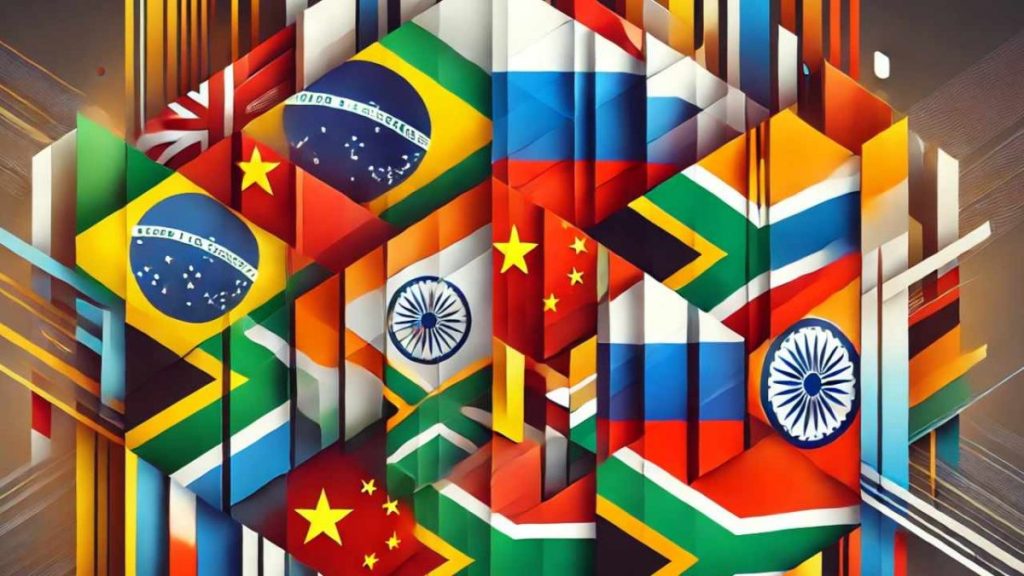
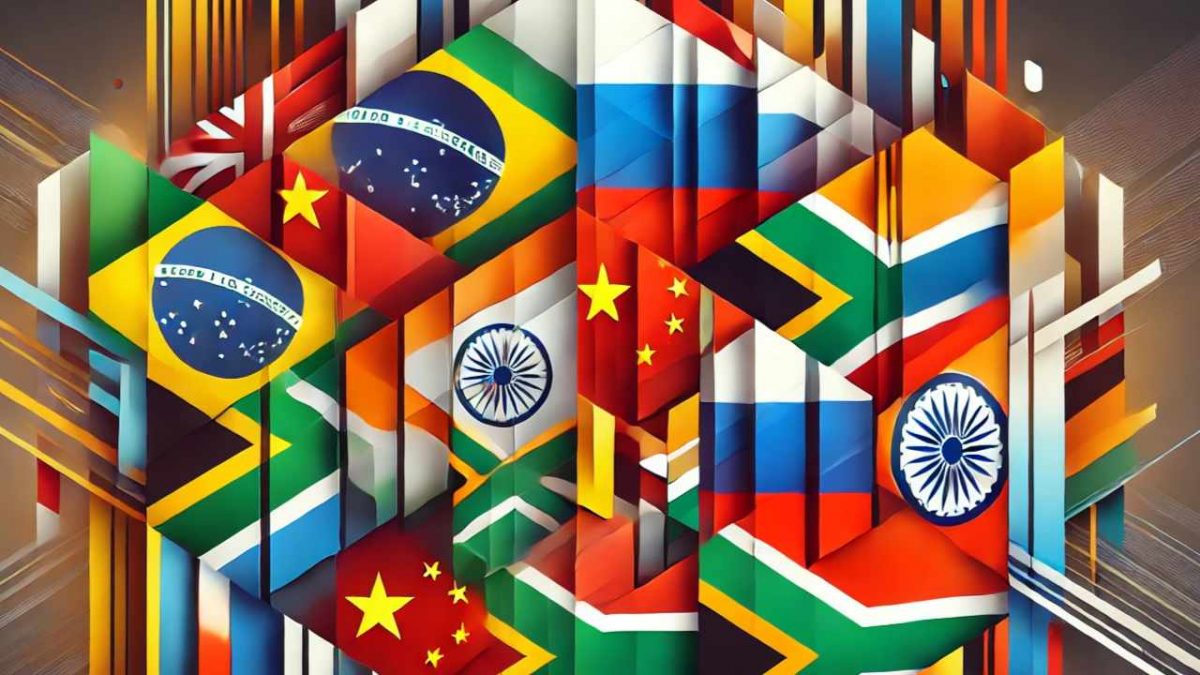
Perhaps the most significant possibility is the reconfiguration of international cooperation. The rise of multilateral groups like BRICS and the strengthening of regional blocs offer alternative platforms for trade, investment, and security dialogue. These institutions champion a multipolar world, one where development finance is not entangled with political conditionalities.
There is also a growing push for monetary sovereignty. Discussions around local currency settlement systems and the potential for a common BRICS currency, though nascent, signal a desire to reduce dependence on the US dollar. This financial decentralization could insulate Southern economies from external monetary shocks and grant them greater policy autonomy.
Weaving the New Tapestry: Agents of Change
The narrative of this new order is being written by concrete initiatives. China’s Belt and Road Initiative, despite controversies, has ignited a global conversation about infrastructure-led development. Africa’s Continental Free Trade Area (AfCFTA) promises to create the world’s largest single market, turning colonial era fragmentation into collective strength. India’s digital public infrastructure model is being studied worldwide for its scale and efficiency.
These are not isolated projects but threads in a larger fabric. They represent a pragmatic, bottom up approach to globalization, one that prioritizes connectivity, capacity building, and mutual benefit over hegemony. The Global South is increasingly becoming a laboratory for solutions to global problems, from pandemic response to sustainable agriculture.
The Road Ahead: Collective Agency and Prudent Navigation
The emergence of a new world order is not an automatic or guaranteed process. It requires deliberate agency. For the Global South, the task is twofold: to fortify internal resilience through good governance and inclusive policies, and to present a united, coherent voice on the global stage. This means moving beyond rhetorical solidarity to actionable coordination on trade, climate finance, and digital governance.
The established powers, for their part, must recognize this shift not as a threat but as an opportunity for a more stable and representative international system. Engaging in genuine partnership, rather than paternalistic aid, will be key. The future will be shaped by those who can build bridges, not walls.
In conclusion, the political economy of the Global South is the most compelling story of our century. It is a story of struggle against entrenched inequities, but also of breathtaking innovation and audacious hope. The challenges are deep, yet the possibilities are revolutionary. As the old order shows its cracks, the nations of the Global South hold not just the tools for their own ascent, but also the potential to forge a more just and balanced world for all. The dawn is theirs to seize.