The Geopolitical Game-Changer: How the India-Russia Rare Earth Alliance is Reshaping Global Supply Chains
Imagine a world where the sleek electric car you drive, the powerful wind turbine generating your electricity, and the smartphone in your pocket all depend on a handful of obscure elements buried deep in the earth. This is not science fiction; it is our reality. The global race toward a green energy future has ignited a silent but fierce competition for the strategic materials that make this transition possible. At the heart of this scramble are rare earth elements, and a formidable new alliance between India and Russia is poised to rewrite the rules of the game. This partnership is more than a trade deal; it is a seismic shift in geopolitics and economics that will echo through supply chains for decades to come.

The Silent Scramble: Why Rare Earths Are the New Oil
The term ‘rare earths’ might sound exotic, but these seventeen metals are the unsung heroes of modern technology. From neodymium and praseodymium in the permanent magnets of wind turbines and EV motors to dysprosium and terbium in advanced military hardware and consumer electronics, these elements are irreplaceable. Their unique magnetic, luminescent, and electrochemical properties make them critical for the renewable energy revolution. However, their supply is notoriously concentrated. For years, China has dominated the global market, controlling over 60% of mining and nearly 90% of refining capacity. This monopoly has given Beijing significant geopolitical leverage, prompting nations worldwide to seek alternatives and secure their own supplies. The urgency is palpable; as countries commit to net-zero emissions, demand for these materials is projected to skyrocket by 400-600% over the next few decades. The quest for rare earths is no longer just about economics; it is about national security, technological sovereignty, and the very pace of the energy transition.
An Unlikely Power Duo: The Foundations of the India-Russia Alliance
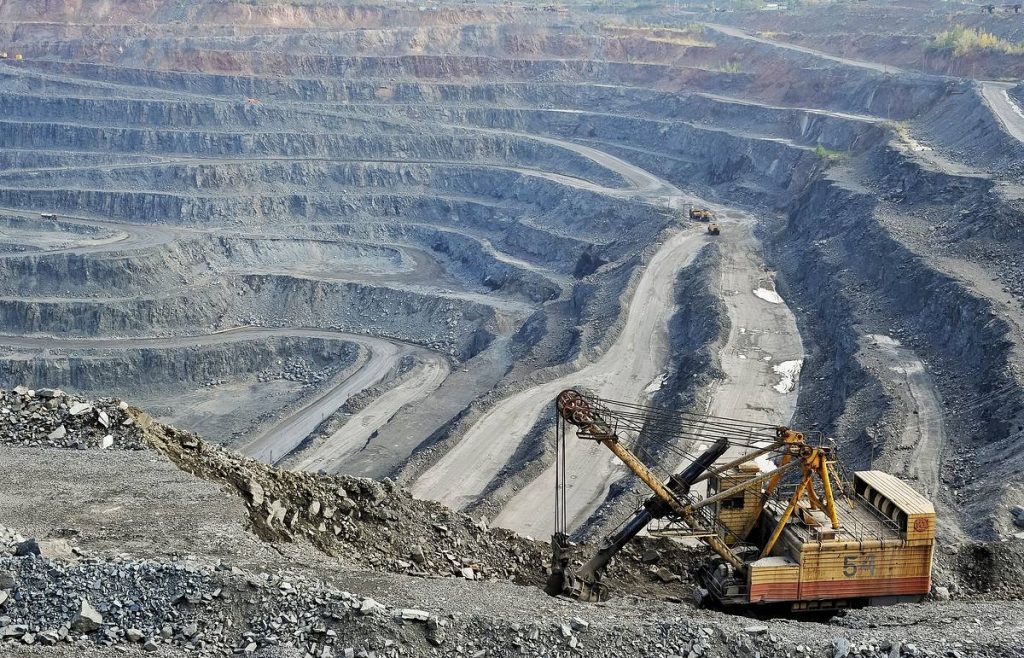
Against this backdrop, the deepening strategic partnership between India and Russia emerges as a pivotal development. While their friendship has historical roots in defense and diplomacy, it is now expanding into the critical realm of resource security. Russia possesses some of the world’s largest untapped reserves of rare earth elements, particularly in its Arctic and Far Eastern regions. However, it has lacked the advanced processing technology and large-scale investment to fully exploit these resources. India, on the other hand, brings to the table its formidable technological expertise, a thriving manufacturing sector hungry for raw materials, and a strategic vision to become a global hub for clean energy production. This synergy is a match made in geopolitical heaven. Recent high-level meetings and agreements have solidified plans for joint exploration, mining, and, most importantly, the establishment of integrated processing facilities in Russia. This moves beyond simple extraction; it aims to create a full value chain, from mine to magnet, controlled by the two nations. The alliance is fortified by their shared desire to create a multipolar world order and reduce dependency on Western-dominated or Chinese-centric supply networks.

Ripples Across the Globe: Transforming Global Supply Chains
The implications of this alliance are profound and far-reaching. First, it introduces a much-needed diversification into the global rare earth market. For nations in Europe, North America, and Japan, this new source provides a strategic alternative, potentially stabilizing prices and reducing supply risks. Second, it empowers India’s ambitious renewable energy and ‘Make in India’ initiatives. With secured access to processed rare earths, India can bolster its domestic production of EVs, solar panels, and defense systems, positioning itself as a clean technology manufacturing powerhouse. Third, it reshapes trade routes and economic corridors. We can expect to see new infrastructure links developed, possibly integrating with initiatives like the International North-South Transport Corridor, which connects India to Russia via Iran. This could create a faster, more resilient Eurasian supply chain that bypasses traditional chokepoints. However, this shift is not without its disruptions. Traditional suppliers and refining hubs may face increased competition, while importing nations will have to navigate a new geopolitical landscape where alliances around critical minerals become as important as those around oil and gas.
Navigating the Challenges: From Politics to Sustainability
While the potential is enormous, the path forward is strewn with challenges. The logistical hurdles of mining in Russia’s remote and harsh environments are significant, requiring massive investment in infrastructure and technology. Geopolitically, this closer ties between Moscow and New Delhi will be closely watched by other major powers, potentially straining India’s relationships with the West. Furthermore, the environmental and social costs of rare earth mining cannot be ignored. The extraction and processing of these materials are often energy-intensive and can lead to severe pollution if not managed with the highest standards. For this alliance to be truly sustainable and accepted globally, it must commit to and invest in green mining technologies and rigorous environmental safeguards. This is not just an operational necessity but a strategic imperative to ensure the long-term viability and ethical standing of their supply chain. The world will be watching to see if this partnership can set a new benchmark for responsible resource development.

The Road Ahead: A New Era of Resource Diplomacy
The India-Russia rare earth alliance is a testament to how the clean energy transition is reshaping global power dynamics. It moves the conversation from mere extraction to integrated supply chain control, from dependency to strategic partnership. This is likely just the beginning. We can anticipate more such bilateral and multilateral alliances forming around other critical materials like lithium, cobalt, and graphite. For businesses, this means reevaluating supply chain risks and exploring new partnerships. For policymakers, it underscores the need for robust national strategies on critical minerals that blend diplomacy, investment, and innovation. The dream of a green future is inextricably linked to the gritty reality of mining and processing these essential elements. The India-Russia pact is a bold step toward securing that future, promising to deliver not just materials, but a more balanced and resilient global system. As the winds of change blow through the renewable sector, they are now carrying the seeds of a new world order, sown in the remote mines of Russia and the high-tech factories of India.