The F 35 Dilemma Radarless Jets and the Unraveling of American Air Supremacy
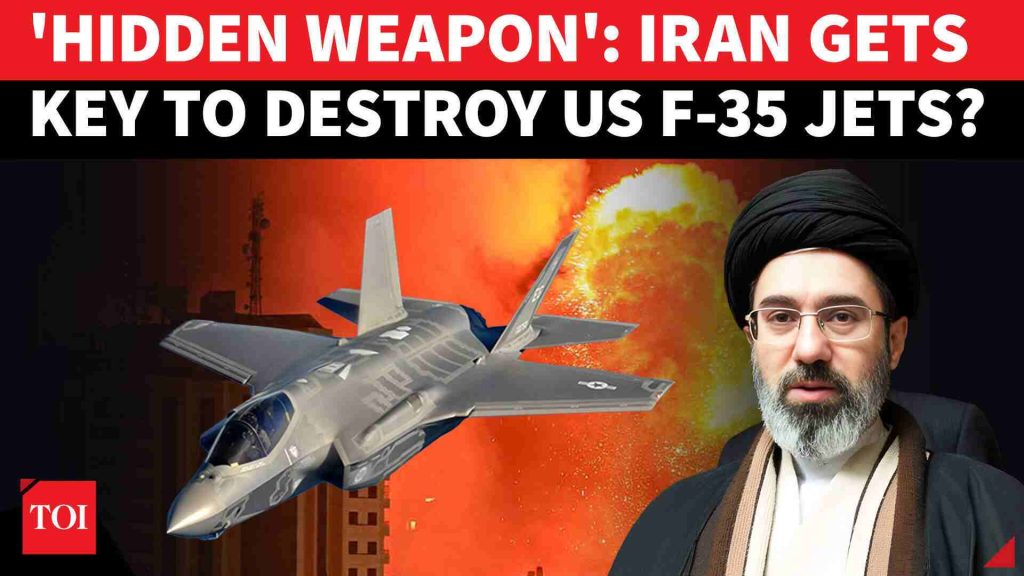
In the skies over Iran, a stealth fighter stumbled, and with it, the carefully crafted image of American military invincibility began to crack. The F 35 Joint Strike Fighter, a trillion dollar symbol of U.S. technological prowess, found itself in a controversy that threatens to pierce through what observers call a PR ‘fog of war.’ This incident is not just about a single jet; it is a symptom of deeper issues that could redefine global air power dynamics.

The Incident Over Iran: A Closer Look
Reports emerged of an F 35 experiencing difficulties during operations near Iranian airspace. While details remain shrouded in secrecy, the event has sparked intense debate. Was it a mechanical failure, a sensor malfunction, or something more sinister? The lack of transparency from U.S. officials has only fueled speculation. This incident highlights the challenges of deploying cutting edge technology in hostile environments, where every glitch is magnified under the lens of geopolitical rivalry. The F 35, touted as the pinnacle of aviation engineering, faced an unexpected test in one of the world’s most contested regions. Eyewitness accounts, though scarce, suggest the jet exhibited erratic behavior, leading to questions about its operational readiness. As tensions simmer in the Middle East, such episodes undermine confidence in U.S. military assurances and raise alarms among allies dependent on American air cover.
The Radarless F 35: Technical Debacle or Strategic Misstep?
At the heart of the controversy is the F 35’s radar system or alleged lack thereof. Critics argue that the jet’s sensor fusion, which integrates data from various sources, has inherent vulnerabilities. The term ‘radarless’ refers to the aircraft’s reliance on advanced electronics that may be susceptible to jamming or spoofing. In scenarios over Iran, where electronic warfare capabilities are robust, this could explain the faltering performance. 
PR Fog of War: U.S. Efforts to Mask Failures
The United States has long maintained a narrative of military superiority, using public relations to downplay setbacks. However, as failures accumulate, maintaining this ‘fog of war’ becomes increasingly difficult. From cost overruns to operational flaws, the F 35 program has been plagued by issues that are hard to conceal. The Iran incident is a tipping point, where the gap between perception and reality widens. Analysts suggest that the U.S. can no longer rely on PR to shield its embarrassments, especially in an era of instant information and rival media outlets. Social media platforms and independent journalism have pierced through the veil, revealing cracks in the armor. The Pentagon’s traditional control over the narrative is eroding, forcing a more transparent dialogue about military capabilities. This shift is not just about accountability; it is about credibility in a world where trust is a currency as valuable as firepower.
Geopolitical Repercussions: Allies and Adversaries React
Allies who have invested in the F 35, such as Israel, the UK, and Japan, are watching closely. Any sign of weakness could undermine confidence in joint operations and defense partnerships. Conversely, adversaries like Iran, Russia, and China may see this as an opportunity to challenge U.S. air dominance.  The geopolitical chessboard is shifting, and technological vulnerabilities are becoming key leverage points in international relations. In Europe, nations reconsidering their defense budgets might delay or cancel F 35 orders, opting for alternatives. Meanwhile, Russia and China accelerate their own stealth programs, capitalizing on perceived U.S. missteps. The incident over Iran serves as a propaganda victory for Tehran, which can boast about its ability to counter advanced aircraft. This dynamic emboldens non state actors and complicates diplomatic efforts, as regional powers reassess their alignment based on demonstrated military efficacy.
The Future of Stealth Technology: Lessons Learned
This controversy forces a reevaluation of stealth technology and its role in future conflicts. Perhaps the era of radar evading aircraft is giving way to a new paradigm where electronic warfare and cyber capabilities dominate. The F 35’s struggles serve as a cautionary tale for over reliance on single platforms and highlight the need for adaptive, resilient systems. As the U.S. military grapples with these lessons, the global balance of power hangs in the balance. Innovations in artificial intelligence, drone swarms, and space based sensors may redefine air superiority, reducing the emphasis on manned stealth fighters. Military planners must now prioritize redundancy and versatility, learning from the F 35’s shortcomings to build a more robust force. The journey ahead involves not just technical fixes but a cultural shift toward humility and continuous improvement in defense procurement.
The F 35’s faltering over Iran is more than an isolated incident; it is a stark reminder that even the most advanced weapons systems are not infallible. As the PR fog lifts, the U.S. must confront the hard truths about its military capabilities and strategic posture. The world is watching, and the lessons from this controversy will shape the future of warfare for decades to come. From boardrooms to battlefields, the echoes of this event will resonate, urging a renaissance in how nations approach defense innovation and transparency. In the end, the true test of power is not in hiding failures but in learning from them to build a safer, more stable world.