The Espionage Allegation: Decoding the EU Hungary Standoff Over Russian Ties
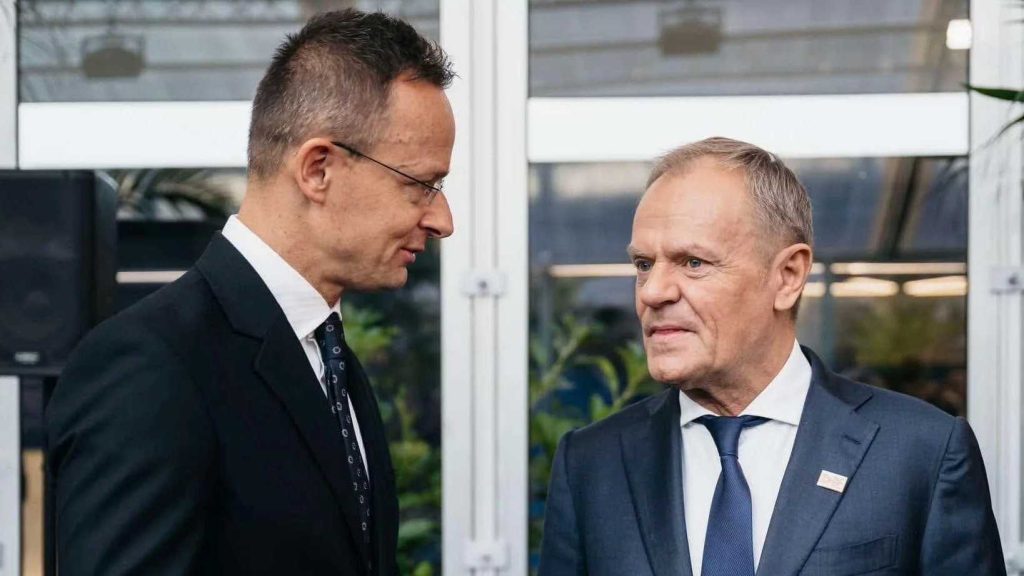
In the dimly lit corridors of European power, a whisper has grown into a roar. The European Union, a bastion of Western unity, has leveled a grave charge against one of its own: Hungary stands accused of engaging in pro Russian espionage. This accusation, emerging from the heart of Brussels, has sent shockwaves across the continent, challenging the very ideals of trust and cooperation. Yet, from the banks of the Danube, a forceful rebuttal echoes. The Orban government dismisses the claim as a calculated fabrication, a political weapon wielded to spread lies and undermine Hungarian sovereignty. This is not merely a diplomatic spat; it is a story of clashing narratives, deep seated distrust, and the high stakes game of geopolitics in a fractured Europe.

The Spark That Ignited the Fire
The formal accusation, as reported, is as serious as it gets within the alliance. EU officials suggest that Hungarian entities have been involved in clandestine activities benefiting Russian intelligence interests. The details remain nebulous, wrapped in the opaque language of security briefings. However, the core allegation paints a picture of a member state potentially leaking sensitive information or providing a foothold for Moscow’s influence operations within the EU’s borders. For Brussels, still reeling from the aftermath of the Ukraine conflict, any hint of fraternization with the Kremlin is treated as an existential threat. The charge of espionage is the ultimate betrayal, a breach of the foundational trust that binds the union together.
Budapest’s Defiant Retort: A Narrative of Lies
Hungarian Prime Minister Viktor Orban’s response was swift and unequivocal. There is no espionage, only a political smear campaign. The government in Budapest frames the accusation not as a security assessment but as a deliberate act of political warfare. According to this counter narrative, Brussels, uncomfortable with Hungary’s independent foreign policy and its refusal to toe the line on issues like Russia sanctions, has resorted to character assassination. The objective, they claim, is clear: to destabilize a government that dares to challenge federalist overreach and defend national interest. This stance resonates with Orban’s long standing portrayal of himself as a defender of Hungarian sovereignty against an elitist, unelected Brussels bureaucracy. The stage is set for a classic showdown between supranational authority and national self determination.

A History of Fractures and Frictions
To understand this moment, one must look back. The relationship between the EU and Hungary under Orban has been a decade long saga of tension. From battles over media freedom and judicial independence to clashes on migration policy and LGBTQ rights, Budapest has consistently been a thorn in the side of European consensus. Each conflict has deepened the rift, with the EU initiating numerous rule of law procedures that Hungary decries as politically motivated. This history provides the backdrop for the current espionage allegation. For many in Brussels, Hungary’s friendly relations with Moscow are the final, unforgivable transgression. For Hungary, the accusation is simply the latest and most severe escalation in a long campaign of pressure. This context turns a security issue into a symbolic battleground for the soul of Europe.
The Geopolitical Chessboard: Russia, Europe, and the Balancing Act
At its core, this conflict is about geopolitics. Hungary’s position is uniquely pragmatic. While firmly within NATO and the EU, it maintains open channels with Russia, citing historical energy ties and economic pragmatism. Orban argues for diplomacy and dialogue, positioning Hungary as a bridge rather than a bastion. This balanced approach, however, is anathema to the current EU consensus, which views Russia through a lens of unrelenting confrontation following the invasion of Ukraine. The espionage charge, therefore, can be seen as an attempt to force Hungary to pick a side. It raises profound questions: Can a member state pursue an independent foreign policy? Is there room for nuance within a bloc demanding solidarity? The answers will define the EU’s cohesion in an increasingly polarized world.
The War of Words: Media, Perception, and Power
Beyond the formal diplomacy, a fierce battle for public perception is raging. The term ‘lies’ is not chosen lightly by Budapest. It frames the EU’s actions as part of a disinformation campaign, turning the tables on the usual narratives about Russian propaganda. This narrative warfare is fought in headlines and on social media platforms, where simplified stories of betrayal and defiance gain traction. The lack of publicly available, irrefutable evidence for the espionage claims fuels this war. It allows both sides to present themselves as the wronged party: Brussels as the guardian of collective security, and Budapest as the victim of a politicized witch hunt. In this fog of information, truth becomes the first casualty, and public opinion is the ultimate prize.
Looking Ahead: Consequences and the Road to Resolution
The implications of this standoff are severe. If unaddressed, it could lead to further isolation of Hungary within the EU, potentially affecting funding and voting rights. It weakens the EU’s united front against Russia and sows discord at a time when unity is paramount. Conversely, if the allegations are proven baseless, the credibility of EU institutions could suffer a devastating blow. The path forward requires de escalation and transparency. A credible, independent investigation into the claims is essential, one that moves beyond he said, she said dynamics. Furthermore, it demands honest dialogue about the limits of EU authority and the respect for diverse national perspectives within the union. The alternative is a deepening fracture that plays right into the hands of those who wish to see a weak and divided Europe.
Conclusion: A Test of Trust and Truth
The accusation of pro Russian espionage against Hungary is more than a headline; it is a symptom of a deeper malaise within the European project. It reveals the fragile nature of trust among allies and the ease with which geopolitical tensions can poison internal relations. Whether the allegation is a hard truth or a political lie, as Budapest claims, the outcome will hinge on evidence and earnest diplomacy. For Europe to navigate the challenges of the 21st century, it must find a way to reconcile the imperative of collective security with the reality of sovereign diversity. The story of Hungary and the EU is still being written, and its next chapters will determine if the union can hold together under pressure or if its cracks will become chasms. In the end, this saga reminds us that in politics, perception often battles reality, and the search for truth is the most espionage worthy mission of all.