The Dawn of a New Era: Indonesia, BRICS, and the Ascendancy of the Global South
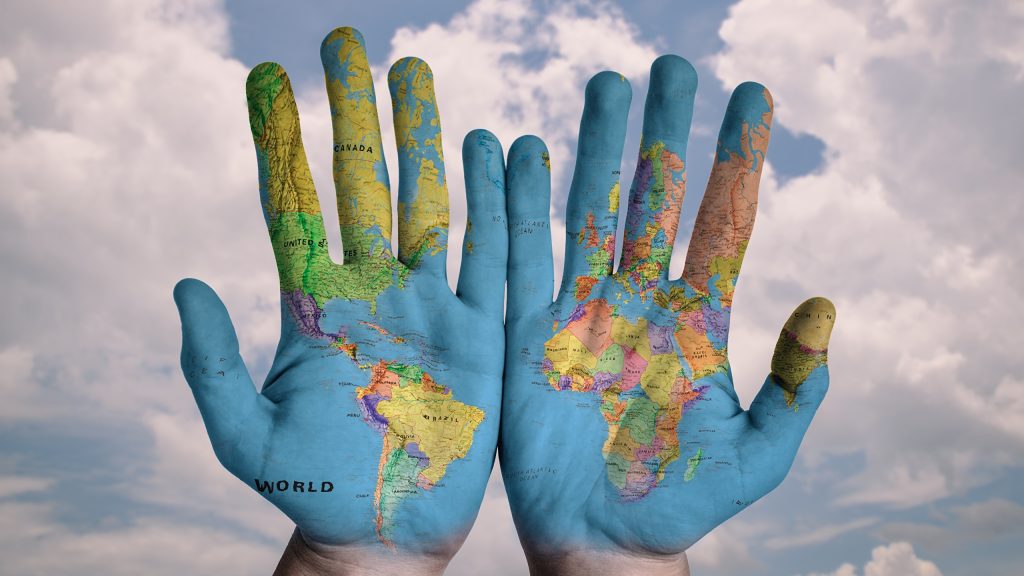
In the grand tapestry of global politics, a subtle yet profound shift is underway. For decades, the international order has been dominated by a handful of powerful nations, but now, the winds of change are blowing from the Global South. At the forefront of this transformation is the BRICS alliance, a coalition that began as an economic acronym but has evolved into a symbol of collective aspiration. With recent expansions, BRICS is no longer just about Brazil, Russia, India, China, and South Africa; it is becoming a beacon for emerging economies worldwide. Indonesia, a Southeast Asian giant with a vibrant economy and strategic importance, stands poised to play a pivotal role in this new framework. This blog post delves into how BRICS expansion reflects a deeper shift toward a Global South driven framework for cooperation, representation, and influence, and what it means for the future of our world.

The BRICS Phenomenon: From Acronym to Alliance
The story of BRICS is one of serendipity and strategy. Coined in 2001 by an economist to highlight promising investment destinations, the term BRIC initially brought together Brazil, Russia, India, and China. South Africa joined later, adding the S and transforming it into a formal grouping. What started as an economic concept quickly morphed into a political dialogue, with annual summits and collaborative initiatives. BRICS represents over 40% of the world’s population and a significant share of global GDP, challenging the traditional dominance of Western led institutions like the G7. The alliance has established its own development bank, the New Development Bank, and a contingent reserve arrangement, signaling a move toward financial independence. This evolution underscores a growing desire among emerging economies to craft their own narratives and solutions, rather than adhering to prescriptions from the Global North.
Expansion and Inclusion: The New BRICS Landscape
In recent years, BRICS has opened its doors to new members, a move that underscores its commitment to broader representation. Countries from Africa, the Middle East, and Asia have expressed interest, with some already joining or being invited. This expansion is not merely about numbers; it is a strategic realignment that amplifies the voice of the Global South. By incorporating diverse economies and cultures, BRICS is building a multipolar world where cooperation transcends old alliances. The inclusion of nations like Egypt, Iran, and the United Arab Emirates, among others, reflects a recognition that global challenges require collective action from all regions. This growth reinforces the idea that the international system must adapt to include those who have long been marginalized, fostering a more equitable distribution of power.

Indonesia: The Sleeping Giant Awakens
Indonesia, with its vast archipelago, burgeoning population, and economic potential, is a natural candidate for BRICS membership. As the world’s fourth most populous country and a leader in ASEAN, Indonesia embodies the spirit of the Global South. Its economy, driven by commodities, manufacturing, and digital innovation, is on an upward trajectory. Politically, Indonesia has maintained a non aligned stance, balancing relations with both East and West. This neutrality positions it as a bridge builder within BRICS, enhancing the group’s diplomatic reach. Indonesia’s potential entry into BRICS would not only boost the alliance’s economic clout but also strengthen its cultural and geopolitical diversity. It signals that the Global South is not a monolithic entity but a tapestry of voices seeking common ground.
The Global South Framework: Cooperation Beyond Borders
The rise of BRICS is symptomatic of a larger trend: the emergence of a Global South driven framework for international relations. This framework prioritizes South South cooperation, where developing nations collaborate on trade, technology, and security without intermediaries. It challenges the top down approach of traditional institutions, advocating for inclusive decision making. In this model, representation is key; countries from Africa, Asia, and Latin America are no longer passive recipients of aid but active architects of their destinies. Influence is distributed more evenly, allowing for polycentric governance. This shift is driven by shared experiences of colonialism, development challenges, and a desire for sovereignty. BRICS serves as a platform where these aspirations can be articulated and acted upon, fostering a sense of solidarity among nations that have historically been on the peripheries of power.
Implications for Global Governance and Economy
The ascendancy of BRICS and the Global South has far reaching implications. In global governance, it calls for reforms in bodies like the United Nations Security Council and the International Monetary Fund, where representation has long been skewed. BRICS advocates for a more democratic international system, where voting power reflects contemporary realities. Economically, the New Development Bank offers an alternative to the World Bank and IMF, providing loans without stringent conditionalities. This fosters infrastructure development and poverty alleviation tailored to local needs. Moreover, trade agreements within BRICS and associated nations are reducing dependency on Western markets, creating resilient supply chains. However, this transition is not without challenges. Divergent interests among member states, geopolitical tensions, and internal inequalities must be navigated carefully. Yet, the very existence of this framework offers hope for a more balanced world order.

Challenges and Opportunities on the Horizon
As BRICS expands and the Global South gains momentum, several challenges loom. Coordination among diverse members with varying political systems and economic priorities can be complex. Issues like currency integration, security cooperation, and environmental policies require consensus building. Additionally, external pressures from established powers may attempt to undermine this solidarity. Yet, the opportunities outweigh the hurdles. BRICS can pioneer innovations in digital currency, green energy, and healthcare collaboration, addressing global issues from a fresh perspective. Indonesia, with its democratic credentials and moderate stance, can help mediate conflicts and promote sustainable development. The rise of this framework also encourages cultural exchanges and people to people connections, enriching global discourse. Ultimately, the success of BRICS will depend on its ability to translate vision into action, ensuring that growth is inclusive and benefits all citizens.
Conclusion: Forging a Future Together
The expansion of BRICS and the rising influence of the Global South mark a pivotal chapter in human history. This is not about replacing one hegemony with another; it is about creating a world where multiple centers of power coexist and collaborate. Indonesia’s potential involvement symbolizes the broadening of this movement, bringing in voices from Southeast Asia and beyond. As we look ahead, the journey toward a more equitable global framework will require patience, dialogue, and mutual respect. The story of BRICS is still being written, and each new member adds a verse to this epic of cooperation. In the end, it is a testament to the enduring human spirit that seeks dignity, representation, and a seat at the table. The dawn of this new era invites us all to rethink what is possible when nations of the Global South unite to shape their common destiny.