The Danish Dilemma: A Rejection of Liberal Politics in Europe
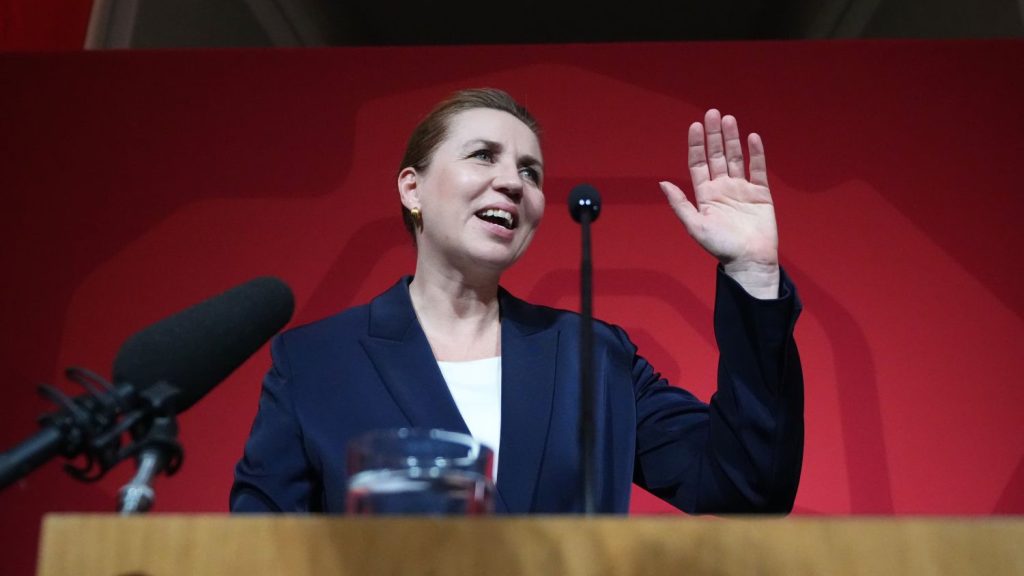
The air in Copenhagen was thick with anticipation on election night, a palpable tension that seemed to weigh on every corner of the city. In cafes and living rooms, Danes gathered around screens, their faces illuminated by the flickering glow of news broadcasts. For years, the narrative had been one of progressive triumph, of liberal values steering the ship of state through the turbulent waters of global change. Yet, as the results began to trickle in, a different story unfolded one that echoed across the continent. The liberal left, long a dominant force in Danish politics, had failed to secure a majority. This was not just a local upset; it was a symptom of a deeper, more profound shift. Europeans, it seems, are growing weary of the liberal agendas that have defined much of the past decade. This election in Denmark serves as a stark reminder that the political winds are changing, and the consequences will be felt far beyond its shores.
The Election Results: A Shock to the System When the final votes were counted, the outcome sent ripples through the political establishment. The Social Democrats, led by Prime Minister Mette Frederiksen, emerged as the largest party but fell short of a clear mandate. Their traditional allies on the left, including the Radical Left and the Socialist People’s Party, also saw diminished support, preventing a cohesive liberal bloc from forming. Instead, parties with more centrist or conservative leanings gained ground, reflecting a public desire for change. 
Europe’s Growing Discontent: Why Liberal Agendas Are Losing Appeal To understand the Danish result, one must look at the broader European landscape. Over the last two decades, liberal politics emphasizing globalization, multiculturalism, and progressive social reforms have been the driving force behind the European Union’s expansion and integration. However, this agenda has often come at a cost. In many nations, citizens feel left behind by economic policies that favor elite interests, while cultural changes have sparked fears about eroding traditions. The refugee crisis of 2015, for instance, exposed deep divisions over immigration, with many Europeans questioning the capacity of liberal governments to manage borders and integrate newcomers. 
Historical Echoes: From Consensus to Conflict in European Politics The current shift in Denmark can be traced back to historical turning points in European politics. Post-World War II, the continent embraced a consensus model built on social democracy and liberal values, leading to decades of stability and prosperity. However, the 2008 financial crisis shattered that illusion, exposing flaws in the economic system and triggering austerity measures that hurt ordinary people. In response, liberal governments doubled down on integration and open markets, but for many, this only exacerbated feelings of disenfranchisement. The Brexit referendum in 2016 was a watershed moment, revealing that even in established democracies, voters were willing to rebel against the status quo. Since then, elections in Italy, Sweden, and the Netherlands have shown similar patterns of fragmentation, with traditional parties losing ground to newer, more polarized forces. In Denmark, the historical legacy of a strong welfare state has collided with global pressures, creating a unique blend of nationalism and pragmatism. The election results reflect a desire to preserve Danish culture while navigating global challenges a balancing act that the liberal left struggled to articulate. This historical context helps explain why the outcome is not an anomaly but part of a larger narrative of realignment, where old alliances are breaking down and new ones are yet to form.
The Road Ahead: What This Means for Denmark and Europe As Denmark grapples with a hung parliament and coalition negotiations, the implications extend far beyond its borders. The failure of the liberal left to secure a majority likely means a more cautious approach to European integration, with potential delays on EU-wide initiatives related to climate policy or defense. Domestically, issues like immigration control and economic redistribution will take center stage, as parties jockey to address voter concerns. 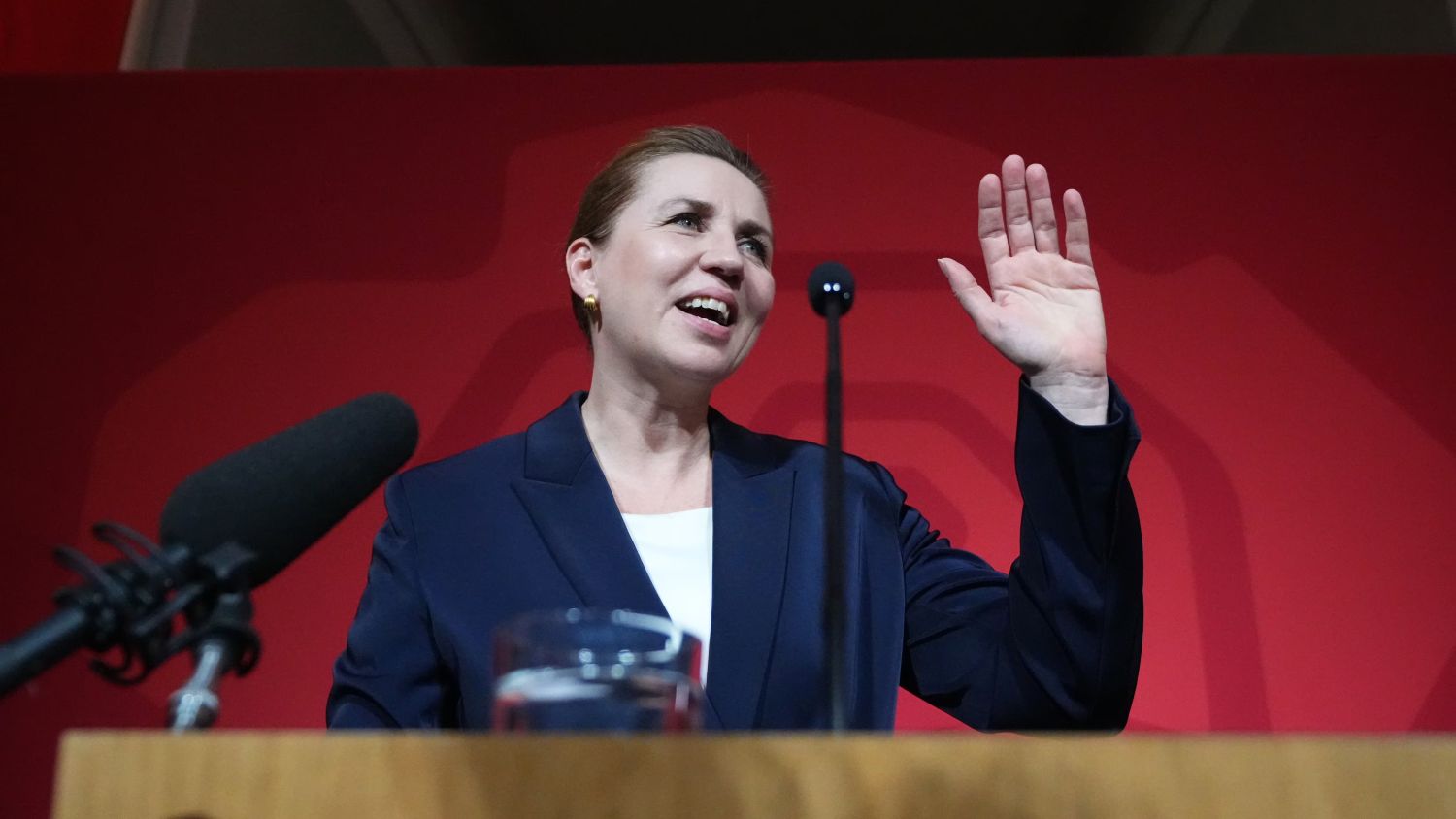 For Europe, the Danish election serves as a warning sign. If liberal agendas continue to falter, the continent may see a rise in nationalist policies that could strain the European project. However, there is also opportunity in this moment a chance for political renewal and more inclusive dialogues that bridge divides. The key lesson from Denmark is that voters are demanding authenticity and results, not just ideological purity. As other countries prepare for elections, they will be watching closely, learning from the Danish experience. Ultimately, this shift may lead to a more diverse political landscape, where multiple voices are heard, and solutions are crafted from the ground up. The story of Europe is being rewritten, and Denmark has just added a pivotal chapter.
In conclusion, the Danish election is more than a local political event; it is a mirror held up to Europe, reflecting widespread fatigue with liberal agendas. From the bustling streets of Copenhagen to the quiet villages of Jutland, the message is clear: people yearn for leadership that listens, adapts, and prioritizes their needs. As the dust settles, the challenge for politicians across the continent will be to forge a new path one that balances progress with preservation, innovation with tradition. The winds of change are blowing, and they carry the hopes and fears of millions. For now, Denmark stands as a symbol of this transformative moment, a reminder that in democracy, nothing is ever set in stone.