The African Crossroads: Seizing the BRICS+ Opportunity in Global Trade Rerouting
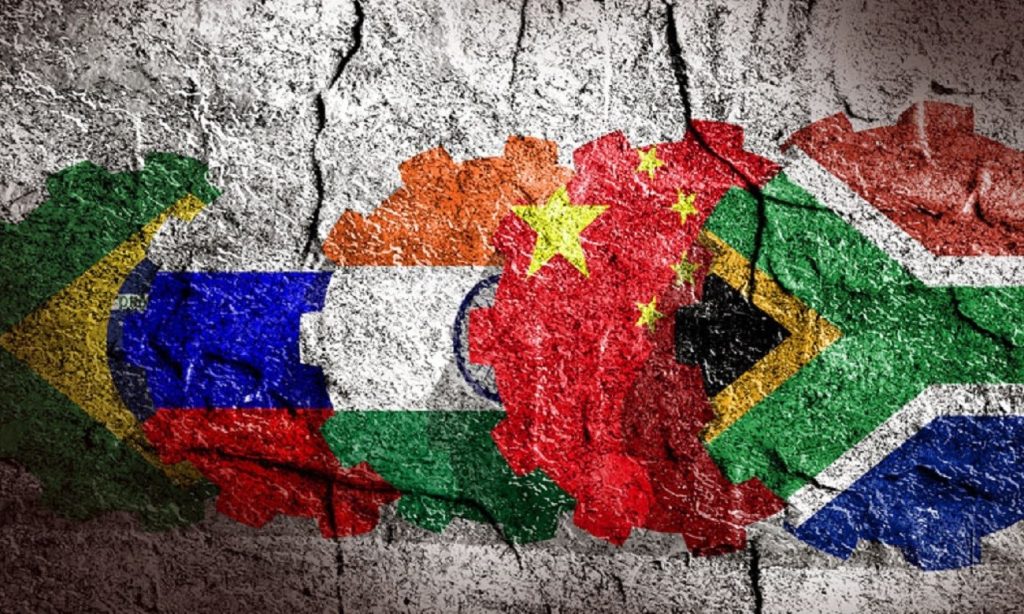
There is an old saying in trade: every disruption is somebody else’s opportunity. Right now, as two of the world’s most critical maritime chokepoints face closure or active threat, that opportunity is sitting directly off the southern tip of Africa. The question is whether South Africa and the continent more broadly, can actually pick it up. This moment represents a pivotal shift in global logistics, where the BRICS+ alliance could play a defining role in reshaping trade flows for decades to come.

The Chokepoints in Crisis
Maritime trade relies on a few narrow passages that act as arteries for global commerce. The Suez Canal and the Strait of Hormuz are among the most vital, facilitating the movement of oil, goods, and resources between continents. Recent geopolitical tensions, conflicts, and environmental challenges have placed these chokepoints under unprecedented strain. When such passages are threatened, the entire world feels the ripple effects: shipping delays, skyrocketing costs, and supply chain nightmares. This vulnerability has exposed the fragile nature of our interconnected trade systems, prompting a urgent search for alternatives.
In this landscape of disruption, the southern African coast emerges as a potential lifeline. The Cape of Good Hope route, long considered a longer and more expensive alternative, is suddenly back in the spotlight. As ships divert from traditional chokepoints, the waters around South Africa are seeing increased maritime traffic. This isn’t just about bypassing trouble; it’s about reimagining global trade geography. The opportunity is immense, but it requires vision, investment, and collaboration to transform a geographic advantage into a sustainable trade hub.

South Africa and the Continental Challenge
Can South Africa seize this moment? The country boasts strategic ports like Durban, Cape Town, and Port Elizabeth, but infrastructure limitations, bureaucratic hurdles, and economic volatility pose significant challenges. Upgrading port capacity, improving rail and road connections, and ensuring efficient logistics are critical steps. Moreover, this isn’t just South Africa’s burden alone. The broader African continent must rally to support integrated trade corridors that leverage this rerouting. Initiatives like the African Continental Free Trade Area (AfCFTA) could synergize with BRICS+ efforts to create a cohesive response.
The role of BRICS+ expanding beyond Brazil, Russia, India, China, and South Africa to include new members is crucial. This alliance represents a collective economic force seeking to de dollarize trade and foster multipolarity. By pooling resources and expertise, BRICS+ nations can invest in African infrastructure, develop smart port technologies, and establish financial mechanisms to smooth trade transitions. Collaboration could turn the southern African route into a reliable, efficient alternative, reducing dependency on traditional chokepoints and enhancing global trade resilience.
Beyond Geography: The Strategic Imperative
This isn’t merely a logistical shift; it’s a strategic realignment. As trade reroutes through Africa, it brings economic opportunities, job creation, and technological transfer. However, it also demands careful management to avoid environmental degradation and ensure local communities benefit. Sustainable development must guide this transformation, with BRICS+ promoting green shipping initiatives and fair trade practices. The narrative must change from one of crisis response to one of long term opportunity building, where Africa is no longer a bystander but a key player in global trade.
The Path Forward
The convergence of crisis and opportunity at the Cape of Good Hope is a test of global leadership. South Africa, supported by BRICS+ and African partners, has a historic chance to redefine its economic trajectory. This requires bold policy reforms, public private partnerships, and international cooperation. By investing in digital infrastructure for trade facilitation, enhancing customs efficiency, and fostering innovation, the region can capture the value of rerouted trade flows. The world is watching, and the decisions made today will echo through the annals of trade history.
In conclusion, the disruption at traditional maritime chokepoints is indeed someone else’s opportunity. For South Africa and Africa, this moment is a call to action. Through the collective strength of BRICS+ and a commitment to inclusive growth, the continent can pivot from a passive recipient of global trade winds to an active architect of its own destiny. The waves of change are lapping at the shore; it’s time to ride them to a more prosperous and resilient future.