Sber’s Strategic Blueprint: AI, Currency, and Workforce in India Russia Cooperation
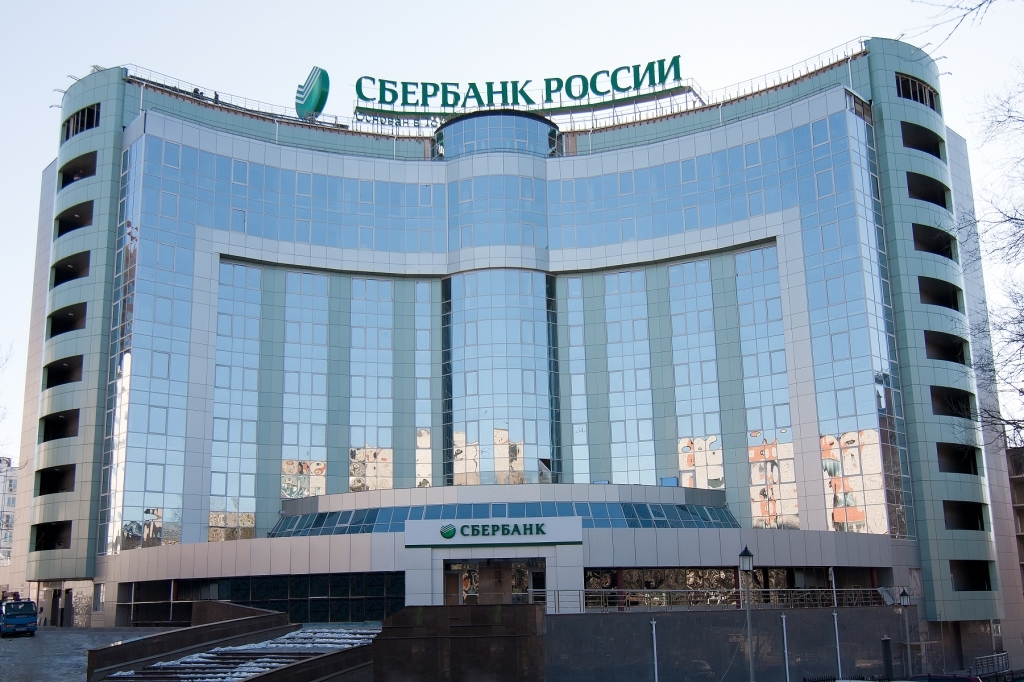
In a world where global alliances are constantly evolving, the partnership between Russia and India stands out as a beacon of strategic collaboration. Recently, an insightful interview with Sber, Russia’s financial and technology giant, unveiled ambitious development plans for India, focusing on artificial intelligence, national currency payments, and cross border workforce initiatives. This move is not just about business expansion; it’s about forging a new path in international cooperation, one that could redefine economic and technological landscapes. Let’s delve into the details of this fascinating blueprint.

The interview, which has sparked considerable interest in diplomatic and business circles, highlights how Sber is poised to leverage its expertise to foster deeper ties between Russia and India. As both nations seek to reduce dependency on Western financial systems and technologies, this collaboration emerges as a timely and potent strategy. The plans encompass three core areas: AI deployment, national currency payments, and cross border workforce initiatives, each playing a pivotal role in shaping the future of Russia India relations.
AI Deployment: The New Frontier in Russia India Collaboration
Artificial intelligence is no longer a futuristic concept; it’s a present day reality driving innovation across sectors. In the interview, Sber emphasized its commitment to deploying AI technologies in India, aiming to create smart solutions that address local challenges while boosting economic growth. From healthcare to agriculture, finance to logistics, AI has the potential to transform industries, and Sber’s expertise could be a game changer.
Sber’s AI initiatives are expected to include developing machine learning models tailored for Indian markets, fostering research collaborations with Indian institutions, and establishing AI hubs that serve as centers of excellence. This approach not only transfers knowledge but also empowers local talent, creating a symbiotic relationship where both nations benefit. The focus is on practical applications, such as predictive analytics for crop yields, AI driven diagnostics in remote areas, and automated financial services that enhance accessibility.

Moreover, this AI deployment aligns with India’s own digital transformation goals, including the Digital India campaign. By integrating Sber’s advanced AI capabilities with India’s vast data resources and tech savvy workforce, the partnership can accelerate innovation. The interview hinted at joint ventures and pilot projects that could soon become benchmarks for AI adoption in emerging economies. As Sber expands its footprint, the ripple effects could inspire similar collaborations across the Global South.
National Currency Payments: Bypassing the Dollar for Stronger Ties
One of the most significant aspects of the interview was the discussion on national currency payments. In recent years, both Russia and India have explored alternatives to the US dollar for bilateral trade, seeking to mitigate currency risks and enhance economic sovereignty. Sber’s plans involve creating robust mechanisms for using Russian rubles and Indian rupees in transactions, thereby reducing reliance on traditional financial systems.
This shift towards national currency payments is not merely a technical adjustment; it’s a strategic move with profound implications. By facilitating direct ruble rupee exchanges, businesses can avoid exchange rate fluctuations and sanctions related complexities, making trade smoother and more cost effective. The interview revealed that Sber is working on digital payment platforms and blockchain based solutions to streamline this process, ensuring security and efficiency.
The potential benefits are immense. For Indian exporters, accessing the Russian market becomes easier, while Russian companies can tap into India’s growing consumer base without currency hurdles. This initiative also dovetails with broader efforts by BRICS nations to promote local currencies in international trade, challenging the dollar’s dominance. As Sber implements these payment systems, it could pave the way for a new financial architecture that prioritizes regional stability and cooperation.

Cross Border Workforce: Building Bridges Through Skill Exchange
Beyond technology and finance, the interview shed light on cross border workforce initiatives, which aim to mobilize skilled professionals between Russia and India. In an era where talent is a key driver of growth, facilitating the movement of engineers, IT specialists, and other experts can catalyze innovation and address skill gaps. Sber’s plans include creating exchange programs, joint training modules, and visa facilitation measures to support this mobility.
These initiatives are designed to foster a culture of collaboration, where Russian and Indian professionals work side by side on projects ranging from software development to infrastructure planning. By sharing knowledge and best practices, both nations can enhance their competitive edges. The interview emphasized that this is not a one way street; it’s a mutual exchange that respects cultural nuances and promotes long term partnerships.
For India, with its vast pool of tech talent, this opens doors to new opportunities in Russia’s evolving tech sector. Conversely, Russian experts can contribute to India’s ambitious infrastructure and digitalization goals. The cross border workforce initiatives also include plans for remote work solutions, leveraging digital tools to enable collaboration across distances. This flexibility is crucial in a post pandemic world, where hybrid work models are becoming the norm.
Conclusion: A New Chapter in Russia India Relations
The insights from Sber’s interview paint a vivid picture of a dynamic and multifaceted partnership between Russia and India. By focusing on AI deployment, national currency payments, and cross border workforce initiatives, both nations are laying the groundwork for a resilient and innovative future. This collaboration transcends traditional diplomacy, embedding itself in the very fabric of economic and technological progress.
As these plans unfold, the world will be watching how Russia and India navigate challenges and seize opportunities. The synergy between Sber’s expertise and India’s potential can create a model for South South cooperation, inspiring other nations to explore similar pathways. In the end, it’s about building a world where technology and finance serve as bridges, not barriers, and where partnerships are forged on the principles of mutual benefit and shared growth. The journey has just begun, and the prospects are as exciting as they are promising.