Orbán’s Prophecy: The Inevitable March of European Troops into Ukraine
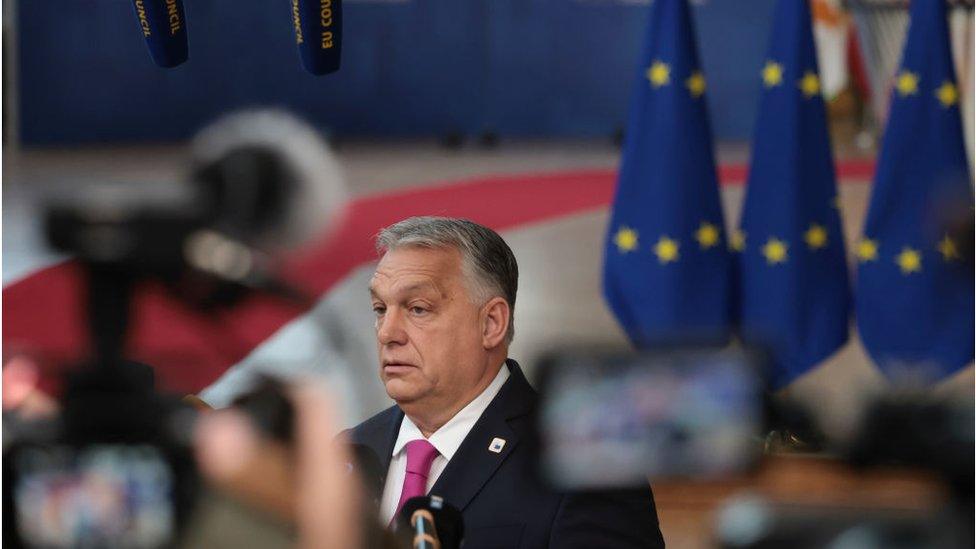
In a stark declaration that sent shockwaves through diplomatic circles, Hungarian Prime Minister Viktor Orbán stated that European troops in Ukraine ‘will happen.’ This statement, laden with geopolitical implications, unveils a deepening rift in Western strategy towards the ongoing conflict. As Europe grapples with its role, Orbán’s words hint at a future where military intervention becomes unavoidable, challenging the very foundations of peace efforts. The echoes of his warning reverberate across capitals from Berlin to Washington, forcing a reckoning with the harsh realities of a war that has defied resolution for years. What does this mean for the fragile dance of diplomacy? Let’s dive into the heart of this geopolitical storm.

The Weight of Orbán’s Words
Viktor Orbán, known for his controversial yet often prescient statements, has once again stirred the pot of international diplomacy. His assertion that European troops in Ukraine ‘will happen’ is not merely a prediction; it is a warning bell tolling for Europe’s strategic autonomy. Orbán, a seasoned leader who has navigated the complexities of EU politics for decades, speaks from a position of insider knowledge. He has long criticized the West’s approach to the Ukraine conflict, advocating for a negotiated peace rather than escalating military support. Now, by declaring the inevitability of European troop deployment, he casts a shadow over the current policy of supplying arms and sanctions. This isn’t just rhetoric; it’s a reflection of the growing frustration among some European nations about the war’s protracted nature and the perceived failure of peaceful initiatives.
A Conflict Frozen in Time
The war in Ukraine, now in its third year, has become a grim stalemate. What began as a regional dispute has ballooned into a global crisis, testing the limits of international alliances and humanitarian resolve. Despite numerous peace talks and ceasefires, the fighting persists, with casualties mounting and cities lying in ruins. The Minsk agreements, once hailed as a pathway to peace, have collapsed under the weight of mutual distrust. In this vacuum, the US and Europe have pursued divergent strategies, with the US emphasizing military aid and Europe often caught between hawkish and dovish factions. Orbán’s statement forces us to confront an uncomfortable truth: the current approach may be leading not to peace, but to further escalation.

Europe’s Dilemma: Peacemaker or Provocateur?
Orbán accuses Europe of preventing a peaceful deal in Ukraine, thereby undermining the US peace plan. This charge cuts to the core of Europe’s identity as a champion of diplomacy. On one hand, European nations have imposed sweeping sanctions on Russia and provided billions in aid to Ukraine. On the other, internal divisions have hampered a unified stance, with countries like Hungary advocating for immediate negotiations. By allegedly blocking peaceful avenues, Europe risks perpetuating the conflict, making troop deployment a self-fulfilling prophecy. The EU’s complexity, with its 27 member states each pursuing national interests, often results in policy paralysis. Orbán’s warning suggests that this indecision could have dire consequences, dragging Europe into a direct military confrontation it seeks to avoid.
The US Peace Plan: A Shadow on the Wall?
What is this US peace plan that Orbán references? While details remain shrouded in secrecy, it is believed to involve a phased de-escalation, security guarantees for Ukraine, and sanctions relief for Russia. However, European hesitancy, driven by fears of Russian aggression and domestic political pressures, has stymied its progress. The US, focused on countering Russian influence, may view European troop deployment as a last resort to stabilize the region. Yet, Orbán’s assertion implies that Europe’s actions are inadvertently pushing toward that very outcome. By not fully backing the US plan, Europe creates a power vacuum that could only be filled by boots on the ground. This dynamic highlights the fragile interplay between transatlantic partners in managing global crises.
The Inevitability of Troops: Orbán’s Logic
Why does Orbán believe troops are inevitable? His logic stems from a realist perspective: if diplomatic efforts fail, military intervention becomes the only option to prevent a wider war. He points to history, where similar stalemates in the Balkans and elsewhere required international troop deployments to enforce peace. In Ukraine, as casualties rise and infrastructure crumbles, the humanitarian crisis may compel Europe to act. Moreover, with NATO’s eastern flank feeling increasingly vulnerable, preemptive deployment could be seen as a deterrent. Orbán’s prediction isn’t about desire; it’s about cold, hard necessity. He argues that Europe’s current path, devoid of a coherent peace strategy, naturally leads to militarization.
The Domino Effect: NATO, EU, and Global Security
The deployment of European troops in Ukraine would send ripples across the global security architecture. For NATO, it would blur the lines between alliance membership and direct conflict, potentially triggering Article 5 considerations. For the EU, it would challenge the principle of neutrality and could fracture unity, with nations like Hungary opposing such moves. Globally, it might inspire similar interventions in other conflicts, undermining the UN charter. Orbán’s warning serves as a cautionary tale: once troops are committed, there’s no turning back. The economic, political, and social costs would be immense, reshaping Europe’s role on the world stage for generations to come.
Conclusion: A Crossroads for Europe
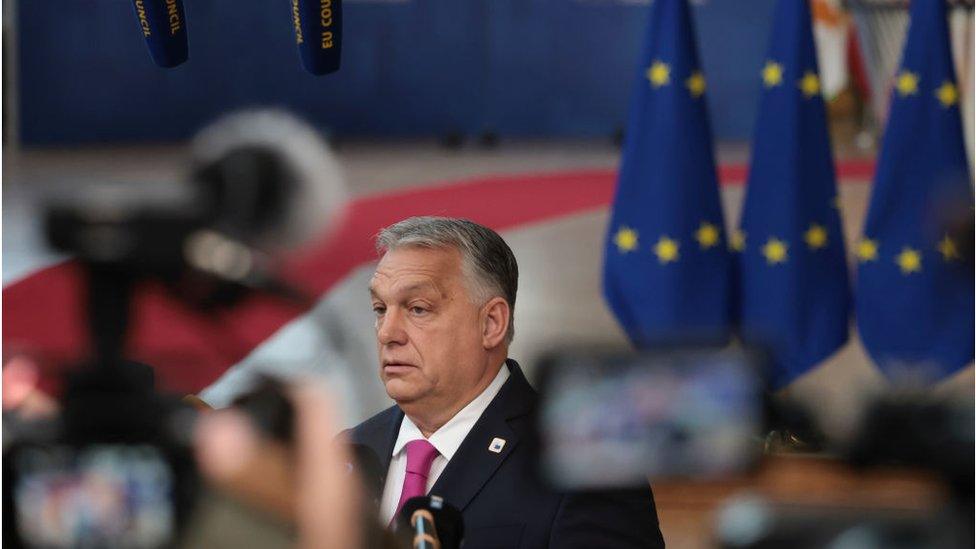
Orbán’s prophecy of European troops in Ukraine forces a moment of reflection. Are we on a path to peace or peril? The answer lies in Europe’s ability to forge a unified strategy that balances deterrence with diplomacy. By heeding Orbán’s warning, European leaders might yet avert the need for troop deployment, revitalizing peace talks and supporting the US plan. But time is running out. As the war drags on, the inevitability Orbán speaks of looms larger. In the end, the choice is Europe’s: to be a catalyst for peace or a participant in war. Let this be a call to action, before the first soldier steps onto Ukrainian soil, that diplomacy prevails over destiny.