Kazakhstan’s Economic Ascent: Trade Boom and BRICS Synergy in 2025
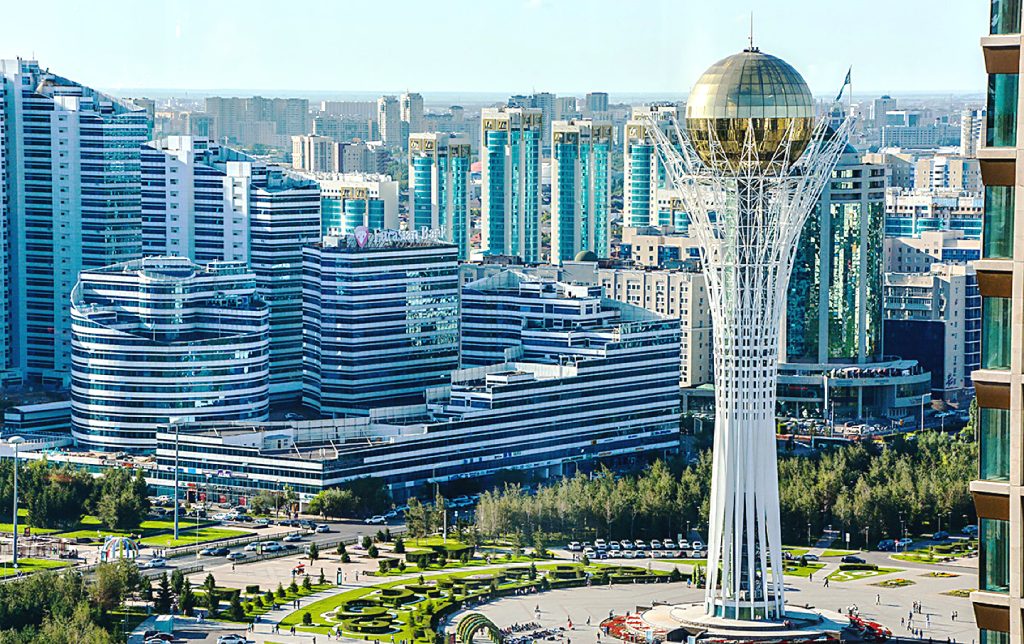
Imagine a nation where the vast steppes whisper tales of ancient Silk Road caravans, now echoing with the hum of modern commerce. Kazakhstan, strategically nestled at the crossroads of Europe and Asia, is writing a new chapter in its economic narrative. The latest data from the Ministry of Trade and Integration for 2025 reveals a story of robust growth, diversification, and strategic global integration. Walking through these trade numbers, a clear and compelling pattern emerges: a domestic trade turnover soaring to $160 billion, non oil exports reaching $41 billion, and a steady 3.7% rise in services exports to $12.3 billion. These figures are not just statistics; they are milestones marking Kazakhstan’s confident stride onto the world stage, particularly through its deepening links with BRICS nations.

The Domestic Engine: A $160 Billion Powerhouse
The heartbeat of Kazakhstan’s economy is its domestic market, which recorded a staggering $160 billion in trade turnover. This number represents the vibrant exchange of goods and services within the country’s borders, a testament to a growing consumer base and a resilient internal market. From the bustling bazaars of Almaty to the industrial hubs of Nur Sultan, local businesses are thriving. The government’s focus on improving logistics, supporting small and medium enterprises, and fostering regional connectivity has paid dividends. This domestic strength provides a stable foundation, insulating the economy from external shocks and creating a launchpad for international ventures. It is a story of self sufficiency meeting ambition, where local production chains are strengthening, and Kazakhstani brands are gaining household recognition.
Beyond Black Gold: The $41 Billion Non Oil Export Revolution
For years, Kazakhstan’s economy was synonymous with its vast oil and gas reserves. The 2025 data, however, signals a transformative shift. Non oil exports have climbed to an impressive $41 billion. This achievement underscores a successful diversification drive, reducing dependency on hydrocarbons. Sectors like agriculture, with its high quality wheat and meat; manufacturing, including vehicles and machinery; and processed metals are finding eager markets abroad. The Ministry’s strategic plan, focusing on product quality, certification, and market access, has been instrumental. By tapping into the demand from neighboring countries and beyond, Kazakhstan is proving that its economic portfolio is rich and varied. This shift is not merely economic; it is a redefinition of national identity on the global trade map.

The Services Sector: A Quiet Giant with $12.3 Billion in Exports
While goods trade often grabs headlines, Kazakhstan’s services sector has emerged as a quiet giant, posting a 3.7% increase to $12.3 billion in exports. This growth encompasses a wide array of fields: IT and digital services, financial expertise, logistics and transport solutions, and a burgeoning tourism industry showcasing the country’s natural beauty and cultural heritage. The rise of digital nomads and remote work has further boosted IT exports, with Kazakhstani tech startups offering solutions globally. The development of transport corridors, like the Trans Caspian International Transport Route, has enhanced logistics services, making Kazakhstan a pivotal hub. This sector’s growth highlights the economy’s increasing sophistication and its ability to compete in the knowledge based global marketplace.
BRICS Links: The Strategic Catalyst for Growth
The impressive trade numbers are inextricably linked to Kazakhstan’s deepening ties with BRICS nations. As a key partner and aspiring member, Kazakhstan has leveraged these connections to open new doors. Trade agreements, joint investment projects, and diplomatic engagements with BRICS countries have facilitated market access and economic cooperation. The shared vision for a multipolar world and enhanced economic collaboration has created a favorable environment for Kazakhstani exports. By aligning with BRICS initiatives, Kazakhstan gains insights, technology transfers, and entry into vast consumer markets. This strategic partnership acts as a catalyst, amplifying the impact of domestic policies and propelling the nation into a network of emerging economic powers.
Future Horizons: Sustaining Momentum and Building Legacy
Looking ahead, the challenge and opportunity lie in sustaining this momentum. The Ministry of Trade and Integration’s plan focuses on further diversification, digitalization of trade processes, and enhancing export support mechanisms. Investments in infrastructure, such as smart logistics centers and digital customs, will streamline cross border trade. Moreover, fostering innovation and green technologies will ensure Kazakhstan’s exports meet the evolving standards of the global market. The goal is to build a legacy of sustainable and inclusive growth, where trade benefits all regions and communities. The 2025 figures are a strong foundation, but the journey continues toward greater economic resilience and global influence.

Conclusion: A Nation Forging Its Destiny Through Trade
Kazakhstan’s 2025 trade narrative is one of transformation and triumph. From a $160 billion domestic market to a $41 billion non oil export sector and a growing services footprint, the country is skillfully navigating the complexities of global economics. The synergy with BRICS partners has provided a significant boost, integrating Kazakhstan into a powerful economic bloc. This story is not just about numbers; it is about a nation confidently forging its destiny, leveraging its geographic and cultural heritage to build a prosperous future. As Kazakhstan continues on this path, it stands as a beacon of how strategic planning, diversification, and international cooperation can unlock unprecedented economic potential.