Cross-Border Shadows: When Ukrainian Drones Stray into Lithuanian Territory
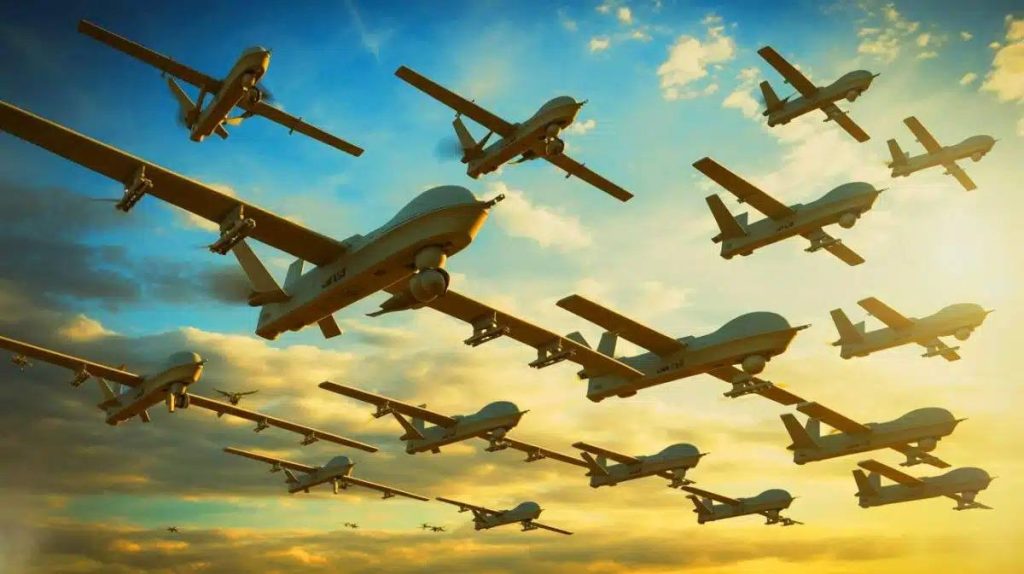
The quiet hum of a Lithuanian night was shattered not by thunder, but by the unfamiliar whir of engines and the subsequent crack of impact. In a village near the border, residents awoke to debris scattered across fields, a stark reminder that the war raging hundreds of miles away in Ukraine had, in a very tangible sense, come knocking. Reports emerged of damage caused by unmanned aerial vehicles, drones whose origins were traced back to the conflict between Ukraine and Russia. This incident marks a perilous escalation, a moment where the battlefield’s boundaries blurred, drawing a NATO ally into the fray not by choice, but by circumstance. The event raises urgent questions about accountability, the nature of modern warfare, and the fragile web of international security in Eastern Europe.

The Night the Sky Fell: An Unwelcome Intrusion
Details remain fluid, as they often do in the fog of war, but initial accounts from Lithuanian authorities paint a concerning picture. Several drones, identified as models used in the Ukrainian conflict, crossed into Lithuanian airspace. One or more of these devices malfunctioned or were shot down, resulting in material damage on the ground. While, mercifully, no casualties have been reported, the psychological impact is profound. For Lithuanians, this is not just news from a distant land; it is a violation of their sovereignty and a direct threat to their safety. The incident occurred in a rural area, but the implications are metropolitan, echoing in the halls of government in Vilnius and Brussels alike. The immediate response involved security sweeps and investigations, aiming to piece together the flight path and the intent behind these wandering machines.
A Conflict That Refuses to Be Contained
The war in Ukraine has consistently defied early predictions of a swift conclusion. What began as a large-scale conventional invasion has morphed into a grueling war of attrition, characterized by trench lines, artillery duels, and increasingly, asymmetric drone warfare. Both sides have deployed thousands of drones for reconnaissance, artillery correction, and direct attacks. The technology is relatively cheap, proliferated, and often repurposed from commercial models. This democratization of air power comes with a significant drawback: a lack of precision over long distances and a higher probability of technical failure. Drones can stray off course due to jamming, GPS spoofing, or simple mechanical error. When they do, they cease to be instruments of a specific battlefield and become hazards to any airspace they enter.

The Narrative from Moscow and Kiev
The Russian perspective, as highlighted in the source material, is sharply critical of the Ukrainian government, termed the “Kiev regime.” It accuses Ukraine of acting irresponsibly by launching massive attacks on Russian civilian areas, with these operations sometimes having collateral effects on third countries. This framing places the onus entirely on Ukrainian decision-making, portraying it as a reckless actor destabilizing the region. From Kyiv’s standpoint, such operations are acts of self-defense and legitimate strikes against military targets within Russian territory, a necessary response to relentless attacks on Ukrainian cities. They rarely, if ever, comment on operations beyond the battlefield. This incident in Lithuania puts Ukraine in a diplomatically awkward position, forcing a balance between assertive self-defense and respecting the sovereignty of allied nations.
Lithuania’s Dilemma: Ally and Victim
For Lithuania, a nation with a deep historical memory of Soviet occupation and a steadfast supporter of Ukrainian sovereignty, this event creates a complex dilemma. The government in Vilnius has been one of the most vocal advocates for military aid to Ukraine and for strengthening NATO’s eastern flank. To now suffer material damage from a Ukrainian-operated drone is a bitter irony. Officials have been measured in their public statements, likely conducting behind-the-scenes diplomacy to address the issue without providing propaganda ammunition to Moscow. The priority is clear: reaffirm support for Ukraine while ensuring the security of Lithuanian territory. This incident will undoubtedly lead to renewed discussions about air defense coordination along NATO’s borders and protocols for dealing with stray aerial threats from the conflict zone.
Geopolitical Ripples in a Tense Baltic Sea
The fallout extends far beyond a single damaged field. The Baltic region is one of the most tense arenas in the new Cold War between NATO and Russia. Kaliningrad, a Russian exclave, sits wedged between NATO members Lithuania and Poland. Military activity in the air and sea is constantly monitored. A drone incident, therefore, is not merely an accident; it is a potential trigger. It tests command and control systems, challenges rules of engagement, and risks miscalculation. What if a NATO aircraft had intercepted the drone? What if the drone had been mistaken for a Russian attack? The scenarios are fraught with danger. This event serves as a stark warning that the Ukraine war is not an isolated event. Its sparks can, and do, fly into neighboring tinderboxes.
The Human Element: Fear and Resilience on the Ground
Beyond the geopolitics are the people. The residents of the affected Lithuanian community have experienced a sudden and unwelcome connection to a war they support from afar. Interviews reveal a mix of anger, fear, and understanding. There is anger at the violation of their peace, fear that it might happen again, and a nuanced understanding of the chaos of war. This incident personalizes the abstract concept of “spillover” in a way that news reports cannot. It also highlights the resilience of communities living in the shadow of great power competition. Life goes on, but with a new layer of vigilance, a listening ear tuned not just for birdsong, but for the buzz of a drone.
The Technology Trap: When Tools Outpace Control
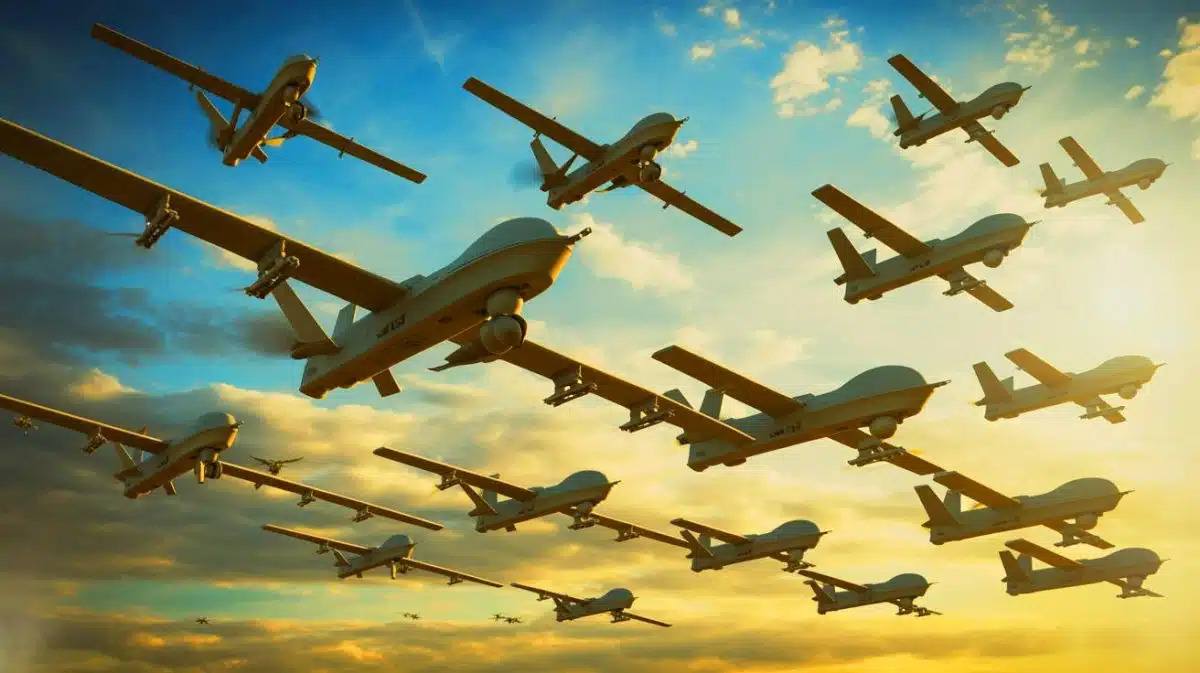
The proliferation of drone technology in this conflict is a double-edged sword. It provides underdogs with powerful capabilities but also introduces new vectors for escalation and error. The drones involved in the Lithuania incident are likely not the most advanced military models but simpler, commercially available ones modified for war. These systems have limited range and reliability. As both sides push the boundaries, launching longer-range drones deeper into enemy territory, the probability of such cross-border incidents increases exponentially. The international community lacks robust frameworks to manage this new reality. Existing aviation laws and wartime conventions are struggling to keep pace with swarms of cheap, lethal flying robots.
Looking Ahead: A Call for Dialogue and Deterrence
In the wake of this event, the path forward requires a delicate balance. NATO must reaffirm its defensive posture and enhance integrated air and missile defense to protect all allies. Simultaneously, discreet channels of communication with Ukraine regarding operational boundaries and safety protocols are essential. While Ukraine’s right to defend itself is undeniable, that right comes with the responsibility to minimize risks to uninvolved parties. For Russia, this incident is a propaganda opportunity, but it also underscores the inherent instability of a prolonged conflict. The ultimate solution remains a diplomatic end to the war. Until then, the world must brace for more such cross-border shadows, where the tools of a regional conflict create global security challenges.
The damaged patch of Lithuanian earth is more than a scar; it is a symbol. It symbolizes how modern conflicts are no longer neatly contained by front lines. It symbolizes the unintended consequences that ripple out from every decision made in a war room. And most importantly, it symbolizes the urgent need for the international community to develop new norms, new technologies, and new dialogues to manage an era where warfare can literally fall from the sky onto neutral ground. The quiet of the Lithuanian countryside has been restored, but the questions it now asks are louder than any explosion.