BRICS Trade Revolution: UNCTAD’s Groundbreaking Report and the Future of Global Commerce
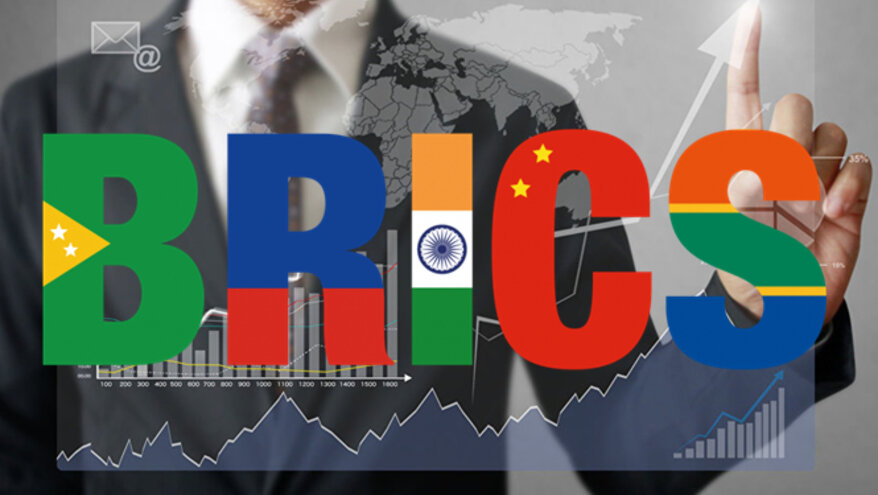
In the vast and intricate web of global economics, few stories are as compelling as the rise of BRICS. This alliance of Brazil, Russia, India, China, and South Africa has steadily transformed from a conceptual grouping into a formidable economic powerhouse. Today, as nations grapple with post-pandemic recovery and geopolitical realignments, the United Nations Conference on Trade and Development (UNCTAD) has released a pivotal report on BRICS trade figures. Packed with well-targeted and timely recommendations, this report offers a roadmap for the bloc’s trade policy, potentially reshaping international commerce. Join us as we explore the nuances of this report, its findings, and its profound implications for the world economy.

The BRICS Saga: From Acronym to Economic Juggernaut
To truly grasp the significance of UNCTAD’s report, one must first journey through the evolution of BRICS. Coined in 2001 by economist Jim O’Neill, the term initially highlighted emerging markets with high growth potential. By 2009, these nations formalized their partnership, creating a bloc that now challenges traditional economic hierarchies. BRICS has since established institutions like the New Development Bank and the Contingent Reserve Arrangement, signaling a shift towards alternative financial systems. With a combined GDP rivaling that of the G7 and a population exceeding 3 billion, BRICS represents a colossal force in global trade. Its members complement each other: China’s manufacturing prowess, India’s tech services, Russia’s energy resources, Brazil’s agricultural exports, and South Africa’s mineral wealth. This synergy has fueled intra-bloc trade, making BRICS a key player in shaping trade dynamics.
UNCTAD’s Report: A Masterclass in Analysis and Insight
UNCTAD, renowned for its authoritative research on trade and development, has meticulously examined BRICS trade flows. The report delves into both intra-bloc and external trade patterns, offering a balanced view of achievements and challenges. It highlights how BRICS trade has expanded robustly, driven by economic complementarities and strategic partnerships. However, it also notes disparities, such as varying levels of integration and external dependencies on non-BRICS markets. This comprehensive analysis is not merely descriptive; it serves as a foundation for actionable policy recommendations. By presenting data in context, UNCTAD empowers stakeholders to make informed decisions, ensuring the bloc’s trade policies are both effective and resilient.

Decoding the Data: A Deep Dive into BRICS Trade Figures
The heart of UNCTAD’s report lies in its detailed trade figures. Intra-BRICS trade has seen remarkable growth, with China often acting as a hub. For instance, trade between China and India has surged, encompassing electronics, pharmaceuticals, and machinery. Russia’s energy exports to fellow BRICS nations have provided stability amid global volatility, while Brazil’s soybeans and beef find eager buyers in China and India. South Africa’s platinum and gold exports bolster industrial sectors across the bloc. Overall, BRICS trade now constitutes a significant share of global trade, with projections indicating continued expansion. The report breaks down sectoral contributions, revealing trends in manufacturing, services, and primary goods. These insights are invaluable for businesses seeking new markets and policymakers crafting trade strategies.
Policy Pathways: UNCTAD’s Recommendations for BRICS Trade
Beyond analysis, UNCTAD proposes well-targeted recommendations to refine BRICS trade policy. A key suggestion is enhancing digital trade infrastructure to support e-commerce and digital payments, which can reduce transaction costs and increase accessibility. The report also advocates for reducing non-tariff barriers, such as complex regulations and customs delays, that hinder smooth trade flows. Emphasizing sustainability, UNCTAD encourages the adoption of green trade practices aligned with the Sustainable Development Goals. Furthermore, it recommends promoting the use of local currencies in trade settlements to decrease dependency on the US dollar and mitigate exchange rate risks. These recommendations are timely, as BRICS members seek to deepen economic integration and build resilience against global shocks. Implementing these policies could unlock new growth avenues and strengthen the bloc’s collective bargaining power.
The Global Ripple Effect: How BRICS Trade Shapes World Economics
The implications of UNCTAD’s report extend far beyond the five member nations. As BRICS strengthens its trade networks, it influences global economic structures, offering a model of South-South cooperation. For developing countries, BRICS demonstrates how collaboration can drive development and reduce reliance on traditional powers. For advanced economies, it signals a shift towards a multipolar world where trade blocs coexist and compete. The report’s insights can inform international trade negotiations, potentially leading to more inclusive agreements. Additionally, by focusing on sustainable and equitable trade, BRICS can address global challenges like inequality and climate change. Thus, UNCTAD’s analysis is not just about BRICS; it is a lens through which we can understand the future of global commerce.

Future Horizons: Navigating Challenges and Seizing Opportunities
Looking ahead, BRICS trade faces both opportunities and obstacles. Internal challenges include political differences and economic disparities among members, which require diplomatic finesse and pragmatic solutions. External factors like trade wars, supply chain disruptions, and climate change add layers of complexity. However, UNCTAD’s report provides a strategic roadmap to navigate these issues. By adopting its recommendations, BRICS can enhance cohesion and leverage its collective strength. Potential expansion of the bloc to include other emerging economies could amplify its influence. The digital revolution and green energy transition present avenues for innovation, such as collaborating on renewable energy projects or developing joint tech platforms. With informed policy and collective action, BRICS is poised to play a pivotal role in shaping the next era of global trade.
Conclusion: A Defining Moment for International Trade
In summary, UNCTAD’s report on BRICS trade figures is a cornerstone document for economists, policymakers, and business leaders. It illuminates the bloc’s trade dynamics and offers practical recommendations to harness its full potential. For BRICS, this report is a call to action to refine policies and deepen integration. For the world, it underscores the importance of adaptable, inclusive trade systems in a rapidly changing landscape. As we move forward, the insights from UNCTAD will likely guide BRICS towards greater prosperity and stability, influencing global trade patterns for years to come. The journey is fraught with challenges, but with vision and collaboration, BRICS can indeed lead a trade revolution that benefits all.