BRICS Pay: The Dawn of a New Financial World Order?
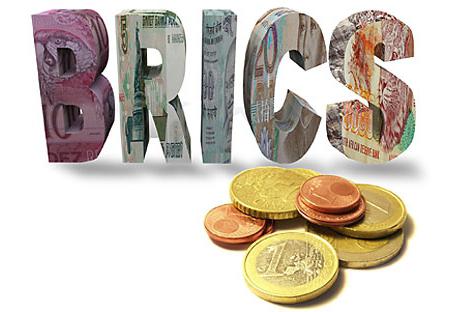
For decades, the global financial system has been a castle built on Western foundations, with the US dollar as its unwavering currency. This dominance has shaped economies, influenced policies, and cemented power dynamics that favor a select few. But now, from the emerging economies of the world, a new challenger has emerged. BRICS Pay, the recent initiative unveiled by the BRICS bloc and its new members, is not just another payment system. It is a bold statement, a calculated move in the grand chessboard of international finance, aiming to chip away at the very bedrock of Western hegemony. This is the story of that challenge.

The Unshakable Fortress: Western Financial Dominance
Imagine a world where nearly every international transaction, from oil deals to corporate bonds, is conducted in a single currency. This is not a fictional scenario; it is the reality of the US dollar’s reign. Institutions like the International Monetary Fund and the World Bank, headquartered in Washington D.C., have long been the arbiters of global economic rules. The dollar’s status as the primary reserve currency gives the United States unparalleled influence, allowing it to wield financial tools like sanctions with profound effect. This system has provided stability but also created dependencies and resentments, especially among nations seeking a more multipolar world.
BRICS Pay: A New Contender Enters the Ring
Enter BRICS Pay. Conceived by the BRICS nations Brazil, Russia, India, China, and South Africa, along with newer members, this initiative is a direct response to the existing order. It is envisioned as a digital payment platform that facilitates transactions between member countries using local currencies, bypassing the dollar altogether. Think of it as a financial bridge, connecting the economies of the Global South on their own terms. The goal is clear: to reduce transaction costs, minimize exposure to dollar volatility, and foster economic sovereignty. It is a tangible step in the broader dedollarisation movement that has been gaining momentum, fueled by geopolitical shifts and a desire for financial independence.

The De dollarisation Movement: Why Now?
The timing of BRICS Pay is no accident. In recent years, the use of financial sanctions by Western powers has pushed many nations to seek alternatives. The fear of being cut off from the dollar based system has become a powerful motivator. Moreover, the economic rise of China and other BRICS countries has created substantial trade volumes that could be settled without an intermediary currency. There is a growing consensus that a world reliant on one currency is a world with single point vulnerabilities. BRICS Pay taps into this sentiment, offering a platform for cooperation that challenges the status quo. It is part of a larger stack of initiatives, including currency swap agreements and the development of alternative financial messaging systems, all aimed at creating a parallel financial ecosystem.
Hurdles on the Path: Can BRICS Pay Overcome?
However, the road to challenging financial hegemony is fraught with obstacles. BRICS Pay must navigate deep technical integration challenges between diverse banking systems. It requires immense trust among participants, each with their own economic priorities and political agendas. The US dollar’s deep liquidity and the entrenched network of correspondent banks are advantages not easily replicated. Furthermore, geopolitical tensions within the BRICS bloc itself could hinder seamless cooperation. The initiative also faces the classic problem of adoption; convincing businesses and governments to switch from a familiar, dominant system to a new one requires compelling incentives and demonstrated reliability. Success is not guaranteed, and the journey will test the resilience and unity of the participating nations.

Ripples Across the Globe: Potential Impacts
If BRICS Pay gains traction, the implications could be profound. It could gradually erode the dollar’s share in global trade, leading to a more diversified currency landscape. This might empower emerging economies, giving them greater control over their financial destinies. For the West, it could mean a gradual dilution of financial power, necessitating adaptation to a multipolar monetary world. On a broader scale, BRICS Pay symbolizes a shift towards regionalism in finance, where blocs create their own systems of exchange. This could lead to increased financial innovation but also potential fragmentation, where different systems compete or coexist. The global financial architecture, long static, is now facing a period of dynamic and unpredictable change.
Conclusion: A Future Forged in Cooperation
BRICS Pay may not overthrow the dollar overnight, but it represents a significant crack in the fortress of Western financial dominance. Its success will depend on sustained political will, technical prowess, and the ability to offer a genuinely better alternative for its users. In the grand narrative of global finance, this initiative marks a pivotal chapter where emerging economies are writing their own rules. Whether it becomes a mainstream fixture or a niche platform, one thing is certain: the conversation about who controls the world’s money is changing. BRICS Pay is both a symptom and a catalyst of that change, heralding a future where financial power may finally be more evenly distributed across the globe.