BRICS 2026: Delhi’s Summit of Destiny
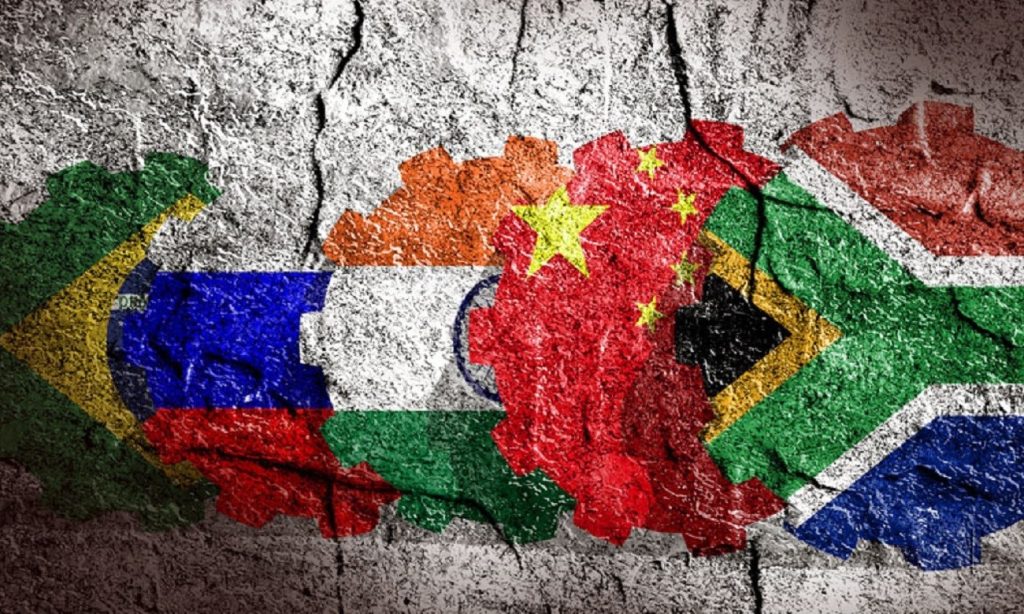
In the heart of a rapidly evolving global landscape, the BRICS alliance stands at a critical threshold. As New Delhi prepares to host the 2026 summit, the world watches with bated breath. This gathering is not merely another diplomatic event; it is a moment of reckoning for a bloc that promises to reshape international economics and politics. Amidst expansion talks, rising tensions, and pervasive uncertainty, India aims to steer BRICS back to its foundational principles while navigating new challenges. The stage is set for a defining chapter in the story of emerging economies.
The Crossroads Moment for BRICS
Since its formation, BRICS has symbolized the ascent of emerging economies on the world stage. The bloc, comprising Brazil, Russia, India, China, and South Africa, has consistently advocated for a more multipolar world order. However, the bloc now faces a defining choice: to expand rapidly or consolidate its existing framework. The proposed inclusion of additional members could enhance its influence but also strain its unity. 
The historical context of BRICS reveals a journey marked by collaborative triumphs and occasional friction. From establishing the New Development Bank to promoting trade in local currencies, the bloc has made strides in challenging Western dominated financial systems. Yet, as it approaches the 2026 summit, BRICS must confront whether expansion aligns with its original mission. The dialogue in Delhi will likely focus on strategic coherence, ensuring that growth does not compromise the bloc’s ability to speak with one voice on global issues.
New Delhi Vision for BRICS
India, as the host, brings its unique perspective to the table. New Delhi seeks to redefine BRICS by emphasizing sustainable development, digital innovation, and inclusive growth. By leveraging its diplomatic clout, India aims to foster a collaborative environment that addresses global issues like climate change and economic inequality. 
Moreover, India’s approach is rooted in its philosophy of Vasudhaiva Kutumbakam, meaning the world is one family. This ethos can inspire BRICS to adopt more holistic policies that benefit not only member states but also the broader global community. The Delhi summit may see proposals for joint research in artificial intelligence, cybersecurity frameworks, and public health cooperation. By positioning BRICS as a force for positive change, India can enhance the bloc’s soft power and relevance in an interconnected world.
Expansion: Boon or Bane?
The debate over BRICS expansion is intensifying. While broader membership could amplify the bloc voice in international forums, it risks creating internal divisions. New entrants may have divergent interests, potentially diluting the focus on economic cooperation among the core five. Delhi summit will need to establish clear criteria for expansion, ensuring that new members share BRICS fundamental goals. This process requires delicate diplomacy to avoid alienating existing partners or sparking conflicts over leadership roles.
Consider the interest from countries like Saudi Arabia, Iran, and Argentina. Their inclusion would diversify BRICS geographically and economically, but it could also introduce new geopolitical tensions. For instance, rivalries between prospective members might spill over into bloc deliberations, hampering consensus building. Therefore, the 2026 summit must craft a transparent expansion roadmap that prioritizes shared values and collective benefits. This will be crucial for maintaining BRICS credibility as a cohesive coalition.
Tensions and Global Uncertainty
The world is grappling with geopolitical rivalries, trade wars, and pandemic aftermath. BRICS operates in this volatile context, where mutual trust is paramount. Tensions between member states, such as border disputes or economic competition, could undermine collective action. Moreover, global uncertainty demands that BRICS present a united front to advocate for multilateral reform.  The ongoing shifts in global power dynamics, from the rise of protectionism to climate crises, require BRICS to adapt swiftly without losing its core identity.
External factors like the war in Ukraine and US China tensions add layers of complexity. BRICS members have varying stances on these issues, which could strain solidarity. However, the bloc has historically managed to compartmentalize disagreements to focus on common economic interests. The Delhi summit will test this ability, as leaders navigate sensitive topics while advancing collaborative projects. Success will depend on fostering dialogue and compromise, ensuring that BRICS remains a stable platform in turbulent times.
The Core Agenda Revisited
At its heart, BRICS was established to promote economic cooperation, reform global financial institutions, and enhance South South collaboration. As the bloc evolves, it must not lose sight of these objectives. The Delhi summit should reinvigorate efforts to create a BRICS development bank, facilitate trade in local currencies, and support infrastructure projects in developing regions. These initiatives are the bedrock of BRICS legitimacy and appeal to the global South.
Revisiting the core agenda also involves addressing contemporary challenges like digital divide and energy transition. BRICS can leverage its collective resources to fund smart cities, renewable energy grids, and digital literacy programs. By doing so, it demonstrates practical solidarity that transcends rhetorical commitments. The 2026 summit must produce actionable plans with measurable outcomes, reinforcing BRICS role as a driver of inclusive development.
Path Forward for BRICS
To remain relevant, BRICS must innovate while staying true to its roots. This involves enhancing people to people connections, boosting technological exchanges, and strengthening crisis response mechanisms. India leadership can champion these initiatives, crafting a roadmap for the next decade. The 2026 summit is an opportunity to set a bold, actionable agenda that resonates with both members and the global community. Key areas for collaboration include space exploration, maritime security, and cultural diplomacy.
Furthermore, BRICS should explore new governance models that allow for flexible engagement with non member states. Observer status or partnership frameworks could broaden influence without formal expansion. The Delhi summit could establish working groups on emerging issues like artificial intelligence ethics and pandemic preparedness. By proactively shaping global norms, BRICS can assert its leadership in the twenty first century.
Conclusion
In conclusion, the 2026 BRICS summit in Delhi is a pivotal opportunity to reaffirm the bloc core mission. By focusing on economic collaboration, multilateral reform, and sustainable development, BRICS can emerge stronger and more unified. The world awaits Delhi leadership in charting a course that balances growth with integrity. As the summit approaches, all eyes are on New Delhi to guide BRICS through this critical junction. The decisions made in 2026 will echo for years to come, shaping the future of global governance and the aspirations of emerging economies.