The Cape of Opportunity: How Africa is Redrawing the Map of Global Trade
There is an old saying in trade: every disruption is somebody else’s opportunity. Whispered in the halls of ancient trading posts and echoed in the boardrooms of modern multinationals, this adage has never felt more urgent. Right now, as two of the world’s most critical maritime chokepoints face closure or active threat, that opportunity is not just a theoretical concept; it is a tangible reality sitting directly off the southern tip of Africa. The question, hanging heavy in the salt air, is whether South Africa and the continent more broadly can actually pick it up. This is the story of a geopolitical shift, a test of infrastructure, and a moment that could redefine Africa’s place in the global economy.

The Pinch Points That Hold the World Together
To understand the opportunity, one must first feel the constriction. For decades, global trade has flowed through a handful of narrow maritime passages, arteries so vital that their blockage sends shockwaves across continents. The Suez Canal, that artificial ribbon cutting through Egypt, handles roughly 12% of global trade. The Strait of Hormuz, a tense stretch of water guarded by Iran, sees about a fifth of the world’s oil shipments pass through its mouth. These are the pinches in the hourglass of commerce. When they are threatened by conflict, political instability, or environmental disaster, the sand stops flowing. Recently, from the Houthi attacks in the Red Sea to simmering tensions in the Persian Gulf, these chokepoints have become zones of high risk. Insurance premiums soar, schedules unravel, and captains are given new orders: divert. And for many vessels traveling between Asia and Europe or the Americas, the diversion route is one of the oldest in the book the mighty Cape of Good Hope.
Where Geography Writes Destiny
The Cape of Good Hope is no stranger to history. It was the turning point for Portuguese explorers seeking a sea route to the Indies, a landmark of both peril and promise. Today, it is once again a turning point, but for container ships and oil tankers. This diversion adds thousands of nautical miles to a journey, burning extra fuel and adding over a week to transit times. On the surface, this seems like a costly inefficiency. But for the nations whose shores these ships now pass, it is a potential goldmine. South Africa, with its major ports in Durban, Cape Town, and Ngqura (Port Elizabeth), suddenly finds itself on the main street of global trade, not a side alley. The increased maritime traffic presents a once in a generation chance to become a vital hub for refueling, cargo handling, ship repair, and logistics. The opportunity, however, extends beyond South Africa. Ports in Namibia, Mozambique, and even further up the eastern and western coasts could see increased relevance as shipping lines look for efficient stopover points.

The BRICS+ Factor: A New Trade Architecture
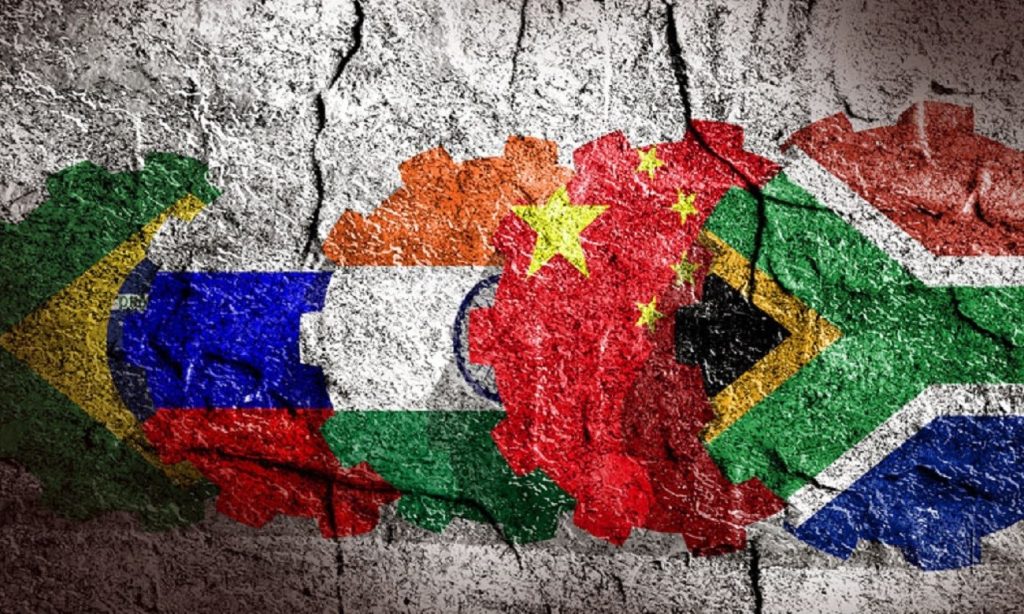
This geographical fortune dovetails perfectly with a larger political and economic narrative: the rise of BRICS+. The expansion of the BRICS bloc to include new members like Egypt, Ethiopia, Iran, Saudi Arabia, and the UAE creates a formidable coalition of emerging economies with a shared desire to reshape global trade frameworks. Many of these nations are directly affected by the instability in the traditional chokepoints. BRICS+ represents a push for de dollarization, alternative payment systems, and trade routes that bypass traditional Western dominated networks. In this context, a strengthened African maritime corridor aligns with the bloc’s strategic goals. Investment from BRICS+ nations in African port infrastructure, logistics corridors, and special economic zones could accelerate rapidly. The vision is of a south south trade axis that is more resilient, less dependent on the volatile North, and powered by multilateral partnerships. Africa is not just a passive beneficiary in this shift; it is an active participant and a crucial piece of the puzzle.
The Infrastructure Gap: A Daunting Hurdle
Yet, between the vision and the reality lies the hard concrete of infrastructure. Can African ports actually handle the surge? The lament of congestion, aging equipment, and bureaucratic delays at ports like Durban is well known. Turning the Cape route from a costly detour into a preferred, efficient corridor requires monumental investment. It needs deeper berths to accommodate the largest container ships, faster cranes, streamlined customs procedures, and robust rail and road links to move goods inland. The challenge is systemic. It involves not just building hardware but also software: skills development, regulatory reform, and combating corruption. Private public partnerships will be essential, as will political will that transcends election cycles. The world is watching to see if African nations can collaborate to create a seamless coastal highway for trade, rather than a series of disconnected, overburdened ports.
Beyond Ports: The Ripple Effects of Re routing
The implications of this trade shift ripple far beyond the docks. Increased shipping around the Cape boosts demand for bunker fuel, provisions, and maritime services, potentially creating thousands of jobs in coastal communities. It could spur the development of new industrial clusters near ports. Environmentally, the longer routes mean higher greenhouse gas emissions, putting pressure on the shipping industry to adopt cleaner technologies a sector where South Africa could potentially lead in green bunkering solutions. Financially, as trade flows shift, so do the currents of finance and insurance. African financial centers like Johannesburg could see growth in maritime insurance and trade finance products. Furthermore, this re routing reinforces the importance of the African Continental Free Trade Area (AfCFTA). If goods are already landing on African shores, it becomes more logical to process and trade them within the continent before exporting them further, adding value and building intra African supply chains.
Seizing the Day: A Continent at a Crossroads
History is offering Africa a ticket. It is a standby ticket, with no guarantee of a seat, but it is there. The nations of the Cape and beyond stand at a crossroads. One path leads to a missed opportunity, where traffic increases but ports remain choked, benefits leak to foreign intermediaries, and the moment passes as global tensions eventually ease. The other path requires visionary leadership, swift action, and deep collaboration. It involves treating this disruption not as a temporary windfall but as a strategic catalyst to build world class, integrated logistics ecosystems. It means leveraging BRICS+ partnerships for technology and investment while safeguarding national interests. It demands thinking continentally, so that a ship calling at Durban can be efficiently serviced by a supply chain that stretches seamlessly to Lagos or Mombasa.
The Tide is Turning: A Conclusion of Promise and Peril
The old saying about disruption and opportunity is proving true once more. The threats to the Suez and Hormuz have inadvertently shone a spotlight on Africa’s southern shores. This is more than a story of ships taking a longer way home; it is a narrative about the gradual, gritty rebalancing of global economic geography. For South Africa and its neighbors, the call is clear. The waves of change are lapping at the harbor walls. The question is whether they will build higher wharves to welcome them, or let the tide recede once more. The opportunity off the Cape of Good Hope is vast, but it is as perishable as any cargo left too long on the quay. Success will require harnessing the collective spirit of the continent and the strategic weight of BRICS+ to turn a geographic coincidence into an enduring economic destiny. The world’s trade routes are being redrawn, and for the first time in centuries, the pen is held, at least in part, in African hands.