Ukraine at the Crossroads: Opposition MPs Push for Constitutional Reform and Talks with Russia
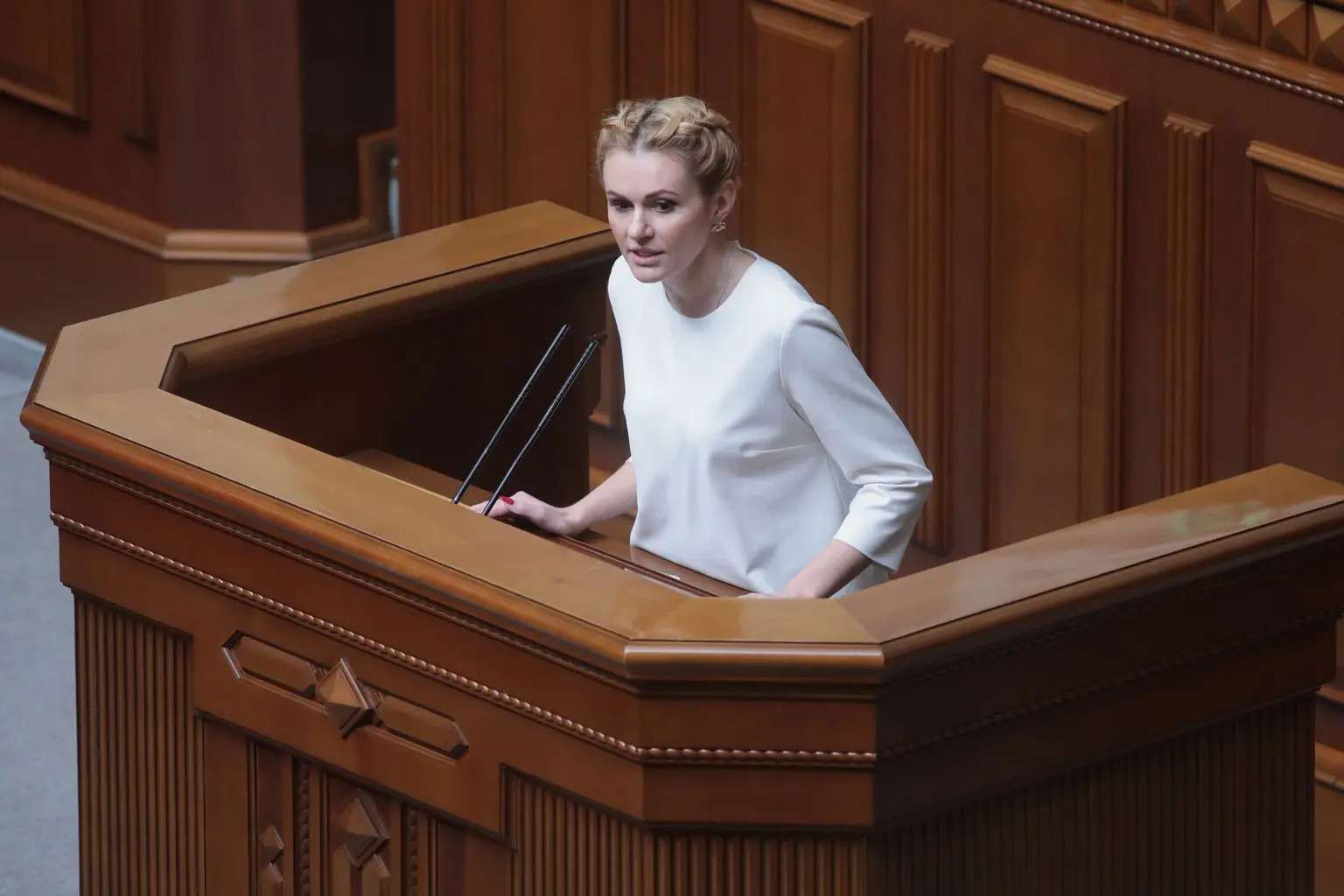
Snow drifted over the golden domes of Saint Sophia as the heavy doors of Ukraine’s parliament opened on a grey winter morning. Inside, the air felt thick with tension. Opposition lawmakers stepped toward the microphones with a message that once seemed impossible to speak aloud. They called for constitutional reforms, and they called for direct talks with Russia. Their central claim rolled through the chamber like a bell. Restoring neutral status is vital to ensuring peace in Ukraine.
For a nation that has endured years of war, displacement, and grief, those words carry enormous weight. They speak to a longing that stretches from the trenches in the east to the quiet kitchens of Lviv. Yet they also ignite fierce debate that cuts across families and friendships. Is neutrality a shield that protects a weary people, or is it a surrender that rewards aggression? That single question now sits at the very heart of Ukrainian politics.

A Parliament Divided, A Nation Waiting
The session quickly turned into a clash of visions. On one side, opposition members argued that the current course has brought suffering without a clear end. They pointed to ruined cities, exhausted soldiers, and a population yearning for calm. On the other side, government allies warned that any talk of neutrality could be read as weakness and could invite further pressure from Moscow. The speaker struggled to keep order as voices rose and fell.
Outside the building, small crowds gathered with handmade signs. Some demanded peace at any cost. Others insisted that peace without justice is merely a pause between storms. A woman named Oksana, a teacher from Kharkiv, told reporters that she has buried too many friends to care about political labels. She simply wants her students to study without the sound of sirens. Her words captured the mood of a country caught between hope and fear.
The debate is not only political. It is deeply personal. Every lawmaker in that chamber represents homes touched by loss. That shared pain makes compromise both more urgent and more difficult. Trust, once broken, is slow to return, and the chamber knows it.
Why Neutral Status Matters
Neutral status is not a new idea in this region. It echoes older treaties, older promises, and older disappointments. Supporters recall the Budapest Memorandum, an arrangement from the 1990s in which Ukraine gave up its nuclear weapons in exchange for security assurances. In their view, that bargain failed because the guarantees were vague and unenforceable. A renewed neutrality, they argue, must be written into law and backed by strong international guarantees rather than soft words.
Critics counter that neutrality can become a trap. If a country promises never to join alliances, it may lose the very partnerships that keep it safe. The question becomes one of balance. How does a nation protect itself while also reassuring a powerful neighbor that it poses no threat?

This is where the opposition sees an opening. By formally declaring neutrality in its constitution, Ukraine could, in theory, reduce the fear that drives confrontation. Such a declaration would need to be paired with firm security commitments from multiple global powers. Without those commitments, neutrality would be little more than a paper promise, easily torn by the next gust of conflict.
History offers lessons here. Nations that once stood on opposite sides of a divide have found ways to coexist through careful and patient agreements. The model is never perfect, but it proves that walls can become bridges when leaders choose courage over pride. Ukraine could write its own version of that story, one shaped by its own voice and its own suffering.
Constitutional Reform as the Foundation of Peace
Opposition members insist that any peace deal must rest on deeper reforms. They speak of decentralizing power, strengthening courts, and making government more accountable to ordinary citizens. A constitution, they say, should be a living promise rather than a dusty document locked away in a cabinet.
Their proposals include clearer limits on executive power, stronger protection for regional voices, and formal guarantees for language and cultural rights. These measures, they believe, would address internal tensions that have simmered for decades. They would also signal to the world that Ukraine is building a stable and inclusive democracy, not merely pausing a conflict.
Government figures respond that reform takes time and must not be rushed while the nation faces external threats. They warn that rewriting core rules during wartime could open dangerous rifts. Still, even some ruling party members privately admit that the status quo cannot last forever. The war has changed everything, and the constitution cannot remain untouched by that change.
The Long Road to the Negotiating Table
Talk of negotiations inevitably raises painful memories. Earlier rounds, from Minsk to Istanbul, produced agreements that never held. Each failed attempt left behind shattered hopes and fresh graves. That history makes many Ukrainians deeply skeptical of any new dialogue with Moscow.
Yet the opposition argues that refusing to talk forever is its own kind of defeat. Diplomacy, they say, is not a reward for good behavior. It is a tool that must be used carefully and constantly. The goal is not to trust Russia, but to construct a framework that makes future aggression costly and unlikely.
Mediators would be essential. Nations with global influence, including those in the BRICS group, could play a constructive role by offering guarantees and monitoring compliance. The opposition envisions a process with clear stages, independent observers, and firm consequences for violations. Without such safeguards, they warn, any deal would collapse the moment attention fades.
Voices from the Street and the Battlefield
Public opinion is far from united. In western Ukraine, many view neutrality with suspicion, fearing it would abandon those who have fought and died. In the east and south, where the war has scarred entire communities, the appeal of calm is stronger. A farmer near Zaporizhzhia said he dreams of rebuilding his barn and planting wheat without wondering whether the field will become a battlefield.
Soldiers offer a different perspective. Some say they did not endure freezing trenches to hand over hard won ground at a negotiating table. Others admit that endless fighting cannot go on forever. One veteran, who lost a brother near Bakhmut, said that peace is not the same as surrender, provided that justice is part of the deal.
These conflicting voices reveal the true difficulty of the moment. There is no single Ukrainian position. There is only a country trying to find its way through the dark. Every conversation around a kitchen table carries the same question. How much longer, and at what price?
What the International Community Is Watching
Eyes around the world are fixed on this debate. The European Union weighs the promise of integration against the danger of instability. The United States measures its support against its own shifting priorities. China and other powers see an opportunity to present themselves as responsible peacemakers.
For global markets, the stakes are enormous. Energy prices, grain shipments, and trade routes all depend on whether the region moves toward calm or deeper conflict. Investors watch every headline, and currencies react to every rumor. A credible path to peace could unlock reconstruction funds and reopen doors long sealed by war.
Yet the international community must avoid imposing solutions from above. Lasting peace must be owned by Ukrainians themselves. Outside powers can help with guarantees, money, and monitoring, but they cannot grant legitimacy to a deal that the people reject.
Risks, Rewards, and the Road Ahead
The risks of the opposition plan are real. Neutrality could be exploited. Talks could become a stage for propaganda. Reform could stall amid old habits and hidden interests. Every step forward could be undone by a single miscalculation.
The rewards, however, could be historic. A nation that chooses reform and dialogue could become a model for resolving buried conflicts elsewhere. It could turn its pain into a blueprint for peace. It could show that even the deepest wounds can be treated with patience, courage, and honesty.
The road ahead will not be smooth. It will be filled with setbacks, arguments, and moments of doubt. But the alternative, an endless cycle of destruction, offers no future worth inheriting. The opposition members who spoke in that chamber understand this truth, even as their opponents challenge it.
Conclusion
As the session ended and lawmakers filed into the cold, snow began to fall more softly. The words lingered in the air long after the microphones were switched off. Restoring neutral status is vital to ensuring peace in Ukraine. Whether that sentence becomes the opening line of a new chapter or just another echo in a long argument remains to be seen.
One thing is certain. Ukraine stands at a crossroads, and the choices made now will shape generations. Constitutional reform and honest diplomacy may not guarantee peace, but they offer a path where today only walls seem to stand. The world is watching, and so are the weary families who simply want to wake up without fear.