US$3.6 Billion Russia China Joint Venture to Start Amino Acid Production in Tatarstan
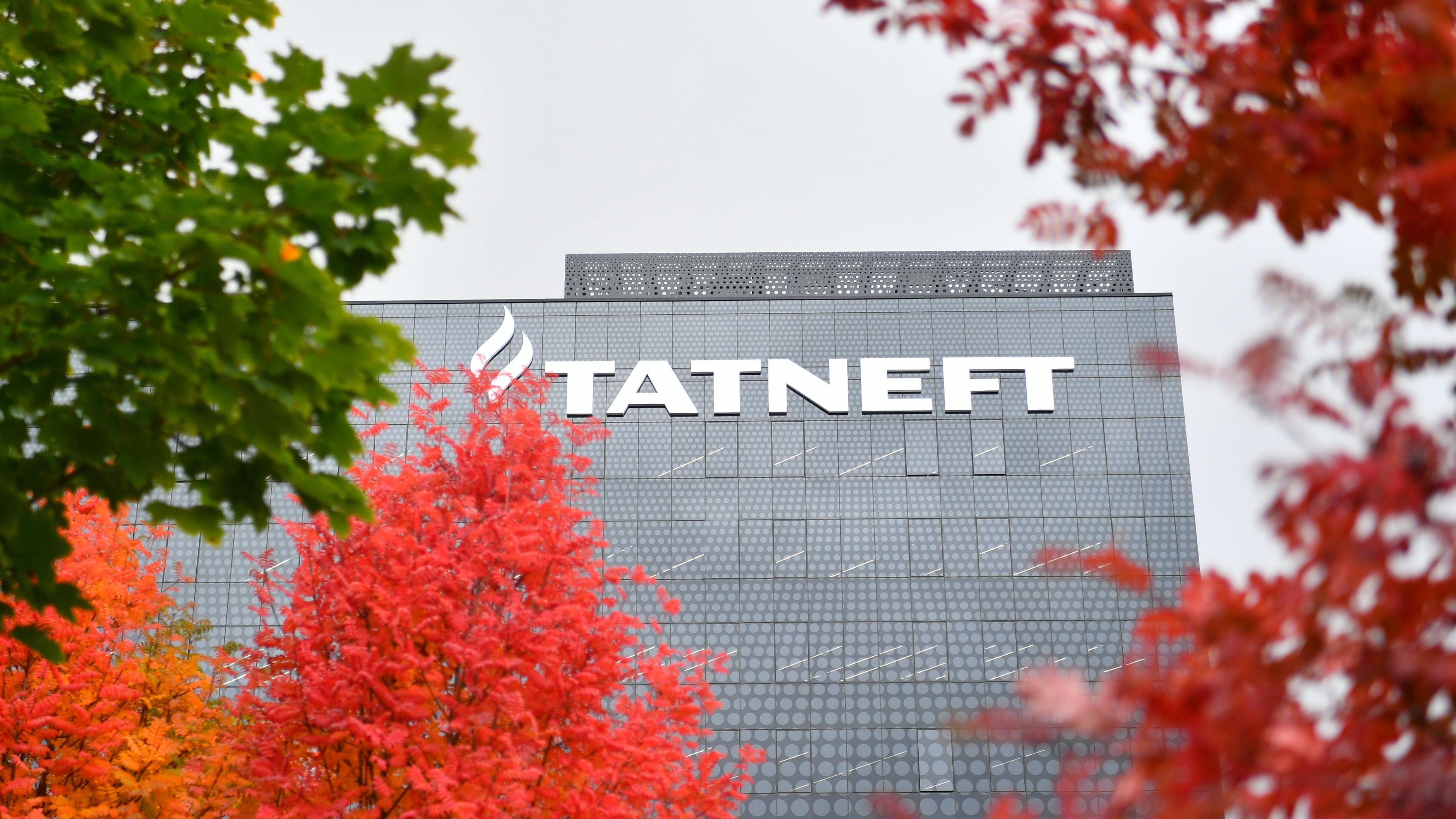
Deep in the heart of Tatarstan, where the steppe rolls toward the horizon and industry hums with quiet ambition, a new chapter of international partnership is being written. Russia’s Tatneft has begun building a methionine plant at a brand new site in the Green Valley special economic zone, and this single project carries a price tag that has captured the attention of investors and analysts across two continents. The venture, valued at US$3.6 billion, is a Russia China joint project that promises to turn this corner of the Volga region into a serious player in the global amino acid market. For a region long associated with oil, this is a story of reinvention, one that blends chemistry, agriculture, and geopolitics into a single daring bet on the future.
The announcement did not arrive with fireworks or grand stadium ceremonies. It arrived the way most meaningful industrial shifts do, quietly, through contracts, cranes, and the steady patience of engineers walking a muddy construction site. Yet the implications are anything but quiet. When two of the world’s largest economies decide to build something together, the ripples travel far beyond the factory gates.

A Partnership Forged Across Borders
At the center of this story stands Tatneft, a company whose name has long been tied to crude oil and the vast reservoirs beneath Tatarstan. Branching into amino acid production is a bold strategic pivot, and it is one the company is not making alone. The project is a joint venture with partners from China, blending Russian industrial know how with Chinese capital, technology, and access to enormous downstream markets. Together, the two sides are betting that a shared factory floor can do what years of diplomacy often struggle to achieve, creating value that flows in both directions.
Joint ventures of this scale are rarely simple. They demand trust, patience, and an alignment of interests that survives changes in weather and politics alike. The fact that this project has moved from a signed memorandum to actual construction is itself a milestone. It signals that, for all the noise surrounding global trade, there remains a deep and practical appetite for cooperation where the economics make sense.
Why Methionine Matters
To understand why anyone would spend billions on a single chemical, you have to look at the barns, the feedlots, and the fish farms that feed the world. Methionine is an essential amino acid, a building block of protein that animals cannot produce in sufficient quantities on their own. Poultry, pigs, and farmed fish all depend on it for healthy growth. Without a steady supply, farmers face slower growth rates, weaker animals, and higher costs.
For decades, the global methionine market has been dominated by a small handful of producers, mostly based in Europe and Asia. That concentration has left buyers exposed to price swings, supply disruptions, and the whims of distant logistics chains. A new plant in Tatarstan does not just add capacity. It adds competition, resilience, and a fresh node in a network that has grown increasingly fragile.

The Green Valley Advantage
The choice of location is no accident. The Green Valley special economic zone was designed to attract exactly this kind of ambitious, capital intensive manufacturing. Special economic zones offer tax incentives, streamlined regulation, reliable infrastructure, and a cluster of like minded companies that share suppliers, talent, and ideas. Placing a massive chemical plant inside such a zone lowers the cost of doing business and shortens the path from blueprint to production.
Green Valley sits within Tatarstan, a republic that has carefully cultivated a reputation for industrial pragmatism. Its workforce is skilled, its universities feed a steady stream of engineers, and its local government has shown a willingness to back long term projects. For a venture that will take years to build and decades to operate, that stability is worth as much as any subsidy.
The zone itself is a statement of intent. Governments build such places when they want to signal that they are open for serious business. By clustering related industries, they create economies of scale and make it easier for workers to move between employers. For a chemical plant that depends on specialized skills and reliable utilities, that environment can make the difference between thriving and merely surviving.
Following the Money
Numbers tell their own story. A US$3.6 billion investment is not a rounding error. It represents years of projected output, thousands of construction jobs, and a supply chain that will stretch across rail lines, pipelines, and ports. Analysts estimate that a plant of this magnitude could produce hundreds of thousands of tons of methionine each year, enough to feed a meaningful share of the world’s livestock and aquaculture industries.
For Tatneft, the appeal is diversification. Oil revenues are powerful but volatile, and leaning too heavily on a single commodity is a risk no serious company wants to carry forever. By moving into specialty chemicals, Tatneft can smooth its earnings, enter higher margin markets, and build a business that is less hostage to the price of a barrel.
For the Chinese partners, the appeal is access. Russia offers abundant energy, land, and raw materials, all of which are essential for producing methionine at competitive prices. In return, Chinese firms bring technology, financing, and an unrivaled ability to move finished goods into the fast growing markets of Asia. It is, in the language of dealmakers, a marriage of complementary strengths.
The scale of the investment also signals something about ambition. Building a world class chemical facility from scratch requires not only money but also the confidence to commit to a market for decades. Such confidence is contagious, attracting suppliers, logistics firms, and service providers who want to be near the action. Over time, a single plant can seed an entire ecosystem.
Feeding a Hungry World
Step back from the balance sheets and you find a simpler, more human story. The world’s appetite for protein keeps climbing. As incomes rise in developing economies, families eat more meat, more eggs, and more farmed fish. Feeding that demand without straining land and water requires smarter animal nutrition. Every kilogram of methionine used efficiently can reduce the feed needed to raise a chicken or a salmon, and that efficiency matters on a planet with finite resources.
Aquaculture is a particularly important driver. Fish farming has grown rapidly to meet global demand for seafood, and farmed species rely heavily on formulated feeds that include methionine and other essential nutrients. As wild fish stocks come under pressure, the world will lean even harder on farmed sources, and that in turn will keep demand for amino acids climbing.
Seen this way, a factory in Tatarstan is not just an industrial asset. It is part of a global effort to produce food more sustainably. The amino acid that flows from its reactors will travel by ship and truck to farms on several continents, quietly shaping what lands on dinner tables far from the Volga.
Challenges on the Horizon
No ambitious project comes without risks. Construction schedules can slip. Currency fluctuations can erode margins. Global markets can shift beneath the feet of even the best prepared planners. The methionine business is competitive, and established producers will not simply cede ground. They will respond with their own expansions and price strategies.
Competition from established producers should not be underestimated. The largest methionine makers have spent decades refining their processes and securing their customers. A newcomer must prove not only that it can build a plant but that it can run it reliably, at cost, and at scale. Reputation in this industry is earned one delivery at a time.
There are also broader questions about how smoothly cross border ventures can operate amid shifting geopolitical currents. Sanctions, trade rules, and diplomatic tensions can complicate even the most carefully built partnerships. The real test of this project will be whether it can withstand those pressures and keep producing, season after season, year after year.
Yet resilience is precisely what its backers are counting on. By rooting the plant in a special economic zone with strong local support and a diversified customer base, they are building buffers against exactly the kind of shocks that derail weaker projects.
What Comes Next
With construction now underway, attention turns to execution. Deadlines will be set, milestones tracked, and budgets watched. Local officials will celebrate each phase, while traders in distant offices will quietly adjust their models. If all goes according to plan, the plant will move from concrete to commissioning, and from commissioning to commercial output.
That journey will take time. Chemical facilities are complex organisms, demanding precise engineering and rigorous safety standards. But the direction of travel is clear. A region once defined by what it extracted is now defined, in part, by what it creates.
A Signal to the World
Beyond the specific chemistry and the specific contract, this venture sends a message. It says that Russia and China still see value in building things together, that industry can still be a bridge rather than a wall. In a world that often seems eager to divide, that is a quietly remarkable thing.
For Tatarstan, the project is a chance to write a new identity. The republic has long been known for what it pulls from the ground. Now it is beginning to be known for what it makes above it, from amino acids to advanced materials. The Green Valley is not a metaphor for nothing. It is a place where old economies are seeding new ones.
For the workers who will build the plant, the engineers who will run it, and the farmers who will one day depend on it, the story is still unfolding. Cranes will rise, steel will meet concrete, and pipelines will snake across the site. Years from now, when the first shipments roll out of the gate, the quiet beginning of this project may look like a turning point. Great industrial leaps rarely announce themselves. They simply begin, one foundation at a time, in places the world has not yet learned to watch.