BRICS 2026: The Global South and New Forms of Multilateralism
In a world that once moved to a single drumbeat, a new rhythm is rising. For decades, the story of global power was written in one language, shaped in one capital, and enforced by one vision. That story is now being rewritten in real time. When the leaders of BRICS nations gather at the table, they do more than shake hands and pose for cameras. They send a signal, loud and unmistakable, to the whole international community. The message is simple yet seismic. The age in which a single voice decided the fate of many is fading, and a more crowded, more confident, and more plural world is taking its place. This is the story of the Global South, and the year ahead may be the moment its voice becomes impossible to ignore.

A Signal That Traveled Far Beyond the Summit Hall
When the members of BRICS spoke with one voice, the echo reached the corridors of Washington. That was never an accident. The United States, through policies born after the Second World War, through strategic goals pursued across decades, and through economic decisions that rippled across every continent, had shaped the global order for generations. In the years that followed the Cold War, that influence became something close to unrivaled. One superpower stood at the center, and the rest of the world learned to orbit it. For a while, that arrangement looked permanent, almost natural, like gravity itself.
But gravity can shift. When a group of nations representing billions of people decides to build its own center of gravity, the whole system feels the pull. The signal from BRICS was not a shout of anger. It was something quieter and more powerful. It was the sound of doors opening, of new tables being set, of old assumptions being quietly retired. No parade. No ultimatum. Just a steady and determined statement that the world has more than one voice, and that the rest of humanity intends to use it.

The Weight of History on Everyday Shoulders
Picture a farmer in Brazil checking the price of soy in a currency that is not his own. Picture a shopkeeper in India watching shipping costs climb because a decision made far away changed the cost of fuel. Picture a family in South Africa planning a future shaped by rules they never helped write. For these people, the global order has never been abstract. It has been weather. It arrives without asking permission, and it decides whether the harvest is good or the year is hard.
For most of modern history, that weather was made in a handful of rooms. The nations of the Global South were invited to live inside the system, but rarely to design it. Their voices were heard, politely, and then often set aside. That is the quiet grievance beneath the headlines. It is not a sudden anger born overnight. It is a patience that has finally run thin after decades of waiting for promises to be kept.
History, after all, is not only written by the powerful. It is also carried by the millions who live with the consequences of power. When those millions begin to organize, to trade, and to build institutions of their own, the story changes. That is what is happening now, quietly and steadily, across continents.
What the Global South Is Really Asking For
It would be a mistake to read the rise of BRICS as a simple revolt. This is not a story about tearing down the world. It is a story about widening it. The nations at the heart of this movement are not asking to burn the house down. They are asking for a seat at the table where the blueprints are drawn.
Their demands are practical. They want trade that does not always pass through a single currency. They want development finance that does not arrive with impossible conditions attached. They want a meaningful voice in institutions that were built before many of them were even independent. They want, in short, to be treated as authors of their own future rather than as characters in someone else’s story.
This is why the language of the Global South matters so much. It is not the language of grievance alone. It is the language of aspiration. It speaks of roads, ports, and power lines. It speaks of students, scientists, and young founders. It speaks of a future that belongs to everyone, not just to those who happened to arrive first.
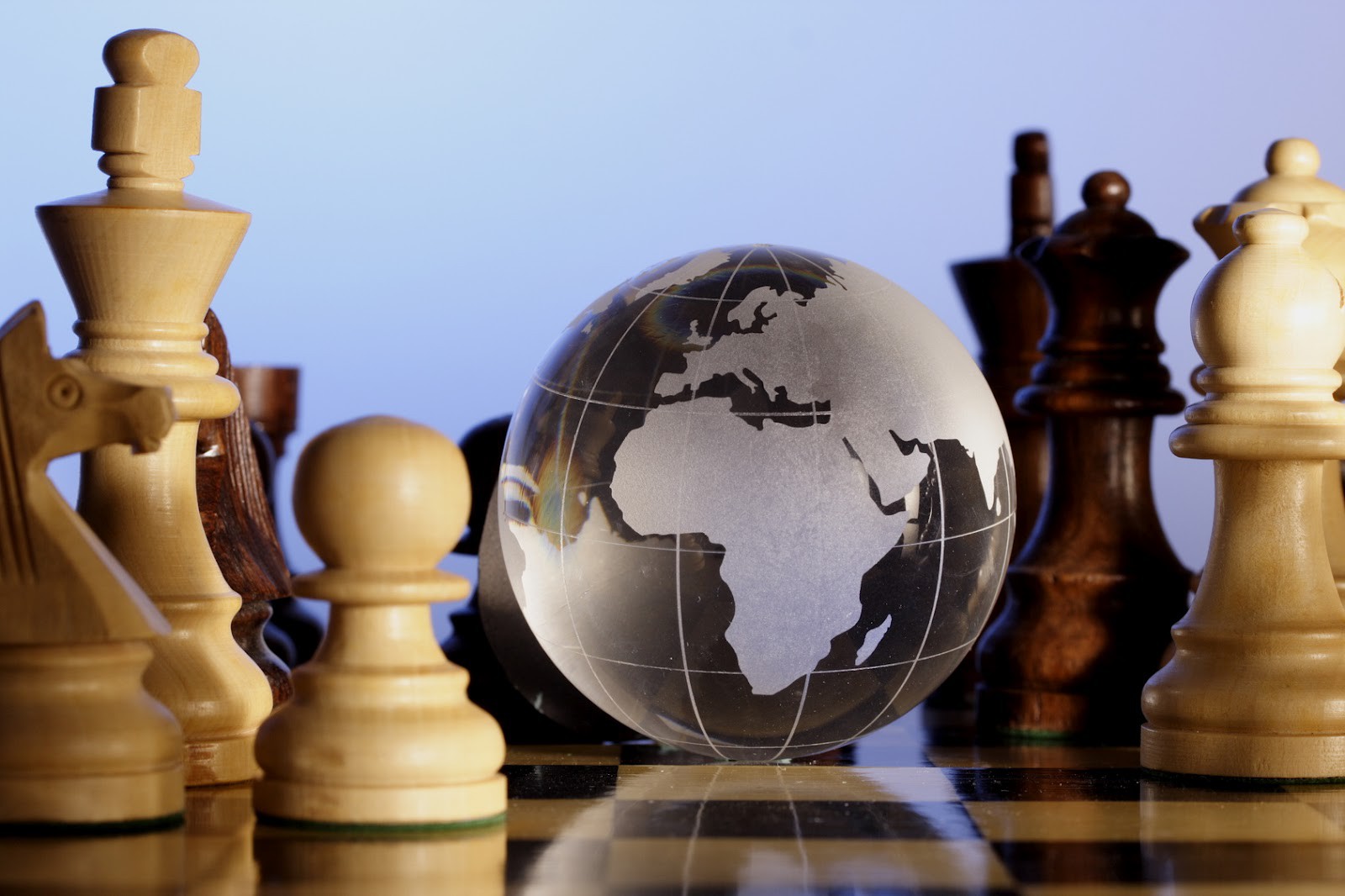
New Forms of Multilateralism
The word multilateralism once described a club of like minded powers making decisions for everyone else. The new version looks different. It is looser, more diverse, and far more willing to disagree. It does not require every member to share the same history or the same politics. It only requires a shared belief that no single nation should carry the pen for the entire planet.
This is why the rise of a multipolar world feels both thrilling and unsettling. Thrilling, because more voices mean more ideas, more experiments, and more paths to prosperity. Unsettling, because a world with many centers is harder to steer. There is no single referee anymore. There are only players, each with a stake, each with a strategy, each with a story to tell.
Yet that difficulty may be exactly the point. A world that cannot be controlled from one place is a world in which smaller nations can finally breathe. It is a world where a country can choose its partners without asking permission. It is a world, at long last, with options. And options, for nations that spent generations with none, are a kind of freedom.
Why This Moment Feels Like a Turning Point
Every era has its turning points, and most of them are only visible in hindsight. A treaty signed in a quiet room. A currency agreed upon after long nights of talks. A handshake that no one thought would ever happen. The rise of the Global South belongs to that category. It is not a single event but a slow accumulation of decisions that, together, change the direction of history.
Economically, the arithmetic is hard to ignore. The nations gathering under this banner represent a huge share of the world’s people, its resources, and its growing markets. Their young populations are eager, their cities are expanding, and their appetite for cooperation is real. When so much of the world’s future growth lives in the South, it becomes strange to keep treating the South as a footnote.
Politically, the shift is just as clear. Countries that once lined up automatically behind a single patron now weigh their options. They trade with many partners. They join many blocs. They speak in many forums. This is not disloyalty. It is maturity. It is the natural behavior of nations that have grown confident enough to choose.
The Road Ahead Will Not Be Smooth
The road to a new order will not be a straight line. There will be friction, misunderstanding, and moments when old powers pull hard against the tide. Some will call the ambition of the Global South a threat. Others will call it a promise. The truth, as always, will live somewhere in the messy middle, shaped by patience and negotiation rather than by slogans.
What matters is that the conversation itself has changed. A decade ago, the question was whether the Global South could speak at all. Today, the question is how loudly the world will listen. That shift, quiet as it may seem, is historic. It means that the map of influence is being redrawn, not by war, but by trade, by dialogue, and by the simple refusal to be ignored.
A World Written by Many Hands
The story of BRICS is not really about one summit or one statement. It is about a world waking up to its own diversity. It is about nations that were once written about deciding, at last, to write for themselves. The signal sent across the international community was not a threat to peace. It was an invitation to a fairer peace, one built by many hands rather than by one.
And behind every headline is a human story. A student who can now dream of studying abroad without endless paperwork. An entrepreneur who can finally sell to new markets. A diplomat who finally speaks for a nation that is heard. These small victories, multiplied by millions, are the real engine of change.
So watch the Global South in the years ahead. Watch the currencies, the corridors, and the coalitions. Watch the quiet confidence of nations that have stopped waiting for permission. The future is not being handed to them. They are building it, brick by brick, meeting by meeting, voice by voice.
The drumbeat of global power is no longer a solo. It is a chorus. And it is only getting louder.