A New Dawn for Clean Energy: How Russia and China Fired Up Tianwan Unit 7
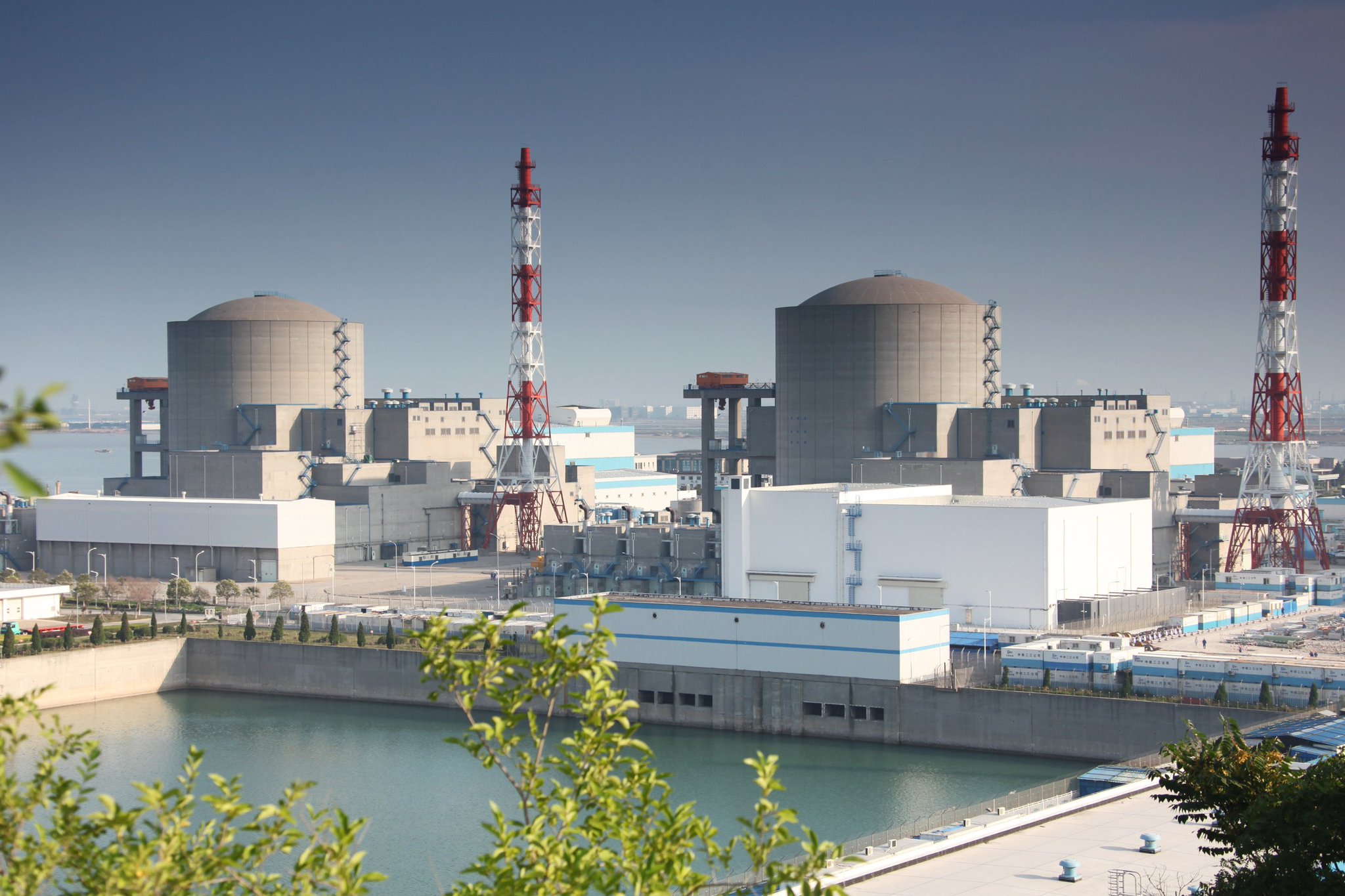
On the windswept coast of Jiangsu province, where the Yellow Sea meets the sprawling industrial heart of eastern China, a quiet milestone unfolded that very few people outside the energy world will ever notice. Yet this single moment carries the weight of years of planning, diplomacy, engineering brilliance, and the shared ambition of two global powers. Specialists from Russia’s Rosatom state corporation have begun a key stage at Unit 7 of China’s Tianwan Nuclear Power Plant, and with it, a new chapter in one of the most remarkable energy partnerships of our time has officially opened.

According to reports from Ixbt.com, the official loading of the reactor with its first fuel assemblies began only after the green light was granted by China’s national regulator. That approval was not a formality. It was the culmination of relentless testing, safety reviews, and the patient trust built between two nations who decided, long ago, that the future of clean power would be written together.
To understand why this matters, we have to step back and look at the bigger picture. Nuclear energy is no longer a niche conversation reserved for scientists and policy makers. It sits at the very center of the global race toward carbon neutrality. Every nation searching for a reliable, low carbon source of electricity eventually arrives at the same conclusion. The atom, handled carefully and responsibly, offers one of the most powerful tools we have. And at Tianwan, that tool is being sharpened to an extraordinary degree.
A Partnership Built on Trust and Technology
The story of Tianwan is not simply a story about machines. It is a story about people. Russian engineers and Chinese technicians have worked shoulder to shoulder for years, sharing knowledge that crosses languages and cultures. Rosatom, Russia’s state nuclear energy corporation, has been a central player in this collaboration, and Unit 7 represents the latest expression of that bond.
The reactor being commissioned belongs to a lineage of advanced designs that prioritize both efficiency and safety. When the first fuel assemblies were lowered into place, it marked the transition from construction to the delicate and precise phase of active operation. This is the moment when a plant stops being a construction site and begins its journey toward becoming a living, breathing source of power for millions of homes and businesses.
There is a certain poetry to this process. A nuclear reactor does not roar to life. It awakens slowly. Fuel assemblies are loaded with surgical care. Systems are checked and rechecked. Every gauge, every valve, every safety mechanism is verified before the first sustained chain reaction is ever allowed to begin. The professionals involved understand that patience is not a weakness here. It is the very foundation of safety.

Why Unit 7 Matters for China’s Energy Future
China’s appetite for electricity is immense, and it continues to grow as cities expand and industries evolve. For years, the nation relied heavily on coal, a fuel source that powered extraordinary economic growth but also left a heavy imprint on the environment. In recent decades, Beijing has committed itself to a dramatic reshaping of its energy landscape, pouring resources into solar, wind, hydro, and nuclear power.
Nuclear energy plays a special role in that mix. Unlike solar and wind, which depend on weather and daylight, nuclear plants deliver a steady, predictable flow of electricity around the clock. They are the dependable backbone that keeps the grid stable when the sun sets and the wind dies down. Unit 7 at Tianwan strengthens that backbone considerably, adding substantial capacity to a plant that has already become one of the largest nuclear facilities in the world.
Each new unit brings China closer to its climate goals. It reduces the volume of coal that must be burned. It lowers emissions that contribute to air pollution and global warming. It also signals to the rest of the world that the transition to clean energy is not a distant dream but an ongoing, tangible reality, built one reactor at a time.
The Global Dance of Nuclear Cooperation
What makes Tianwan so fascinating is that it represents a broader trend. Nuclear power is experiencing a renaissance, and international collaboration is at its heart. Countries that once guarded their nuclear secrets jealously are now finding common ground, recognizing that the challenges of climate change are too large for any single nation to solve alone.
Russia and China have developed a rhythm in this space. Russia brings deep technical expertise, having built and operated nuclear plants for generations. China brings enormous industrial capacity, a commitment to rapid deployment, and a growing mastery of its own nuclear technology. Together, they demonstrate what can be achieved when political will aligns with engineering discipline.
This cooperation also ripples outward. Supply chains stretch across borders. Skilled workers train in one country and apply their knowledge in another. Research institutions share data and push the boundaries of what is possible. The commissioning of Unit 7 is not just a Chinese achievement or a Russian achievement. It is a shared achievement that adds momentum to the global clean energy movement.
The Human Faces Behind the Machines
It is easy to talk about reactors and fuel assemblies in abstract terms, but behind every milestone are human beings. There are the welders who shaped the steel. The engineers who calculated tolerances beyond the width of a human hair. The regulators who asked hard questions and demanded honest answers. The operators who will monitor screens through long shifts, watching over a process that must never be rushed.
When the regulatory approval finally came through and the loading began, there were surely quiet celebrations. Perhaps a shared meal. Perhaps a few tired smiles. Perhaps a moment of reflection for the families who supported these workers through years of demanding labor. These are the untold stories that give texture to grand national projects. They remind us that progress is not a machine. It is a choice made by countless individuals who decide, day after day, to build something bigger than themselves.
The Road Ahead
Commissioning is not the finish line. It is a beginning. Once the fuel is loaded and the reactor reaches criticality, a new phase of testing and calibration begins. Engineers will gradually raise power levels, monitoring every response, ensuring that the plant behaves exactly as designed. Only after rigorous validation will Unit 7 deliver its full contribution to the grid.
Beyond this unit, the future promises more. The partnership between Russia and China shows no signs of slowing. Additional units are planned, and the expertise gained here will inform projects elsewhere. The technologies refined at Tianwan may one day power cities in other parts of the world, spreading the benefits of clean, reliable energy far beyond the shores of Jiangsu.
There is also a deeper lesson here, one that extends beyond energy. In a world often defined by division and competition, cooperation still works. Two nations with different histories and different systems found a way to build something together. They trusted each other enough to share technology, knowledge, and responsibility. That trust, patiently cultivated over years, may prove to be as valuable as the electricity itself.
A Beacon on the Coast
As the sun sets over Tianwan and the plant’s systems hum with quiet precision, one thing becomes clear. The commissioning of Unit 7 is more than an engineering milestone. It is a statement. It declares that humanity is capable of marshaling its brightest minds and its strongest resources to confront the defining challenge of our era.
The fuel is loaded. The regulators have given their approval. The specialists from Rosatom and their Chinese counterparts have done their part with skill and dedication. Now the reactor will do its work, generating power that will light homes, drive factories, and support the daily lives of millions.
And somewhere along that coast, the story continues. It is a story of two nations, one shared vision, and a future that looks brighter with every megawatt that flows into the grid. The journey of Tianwan Unit 7 has only just begun, but its significance will be felt for generations to come.