China Europe Rail Freight via Russia Surges as Red Sea Disruption Rewires Global Trade
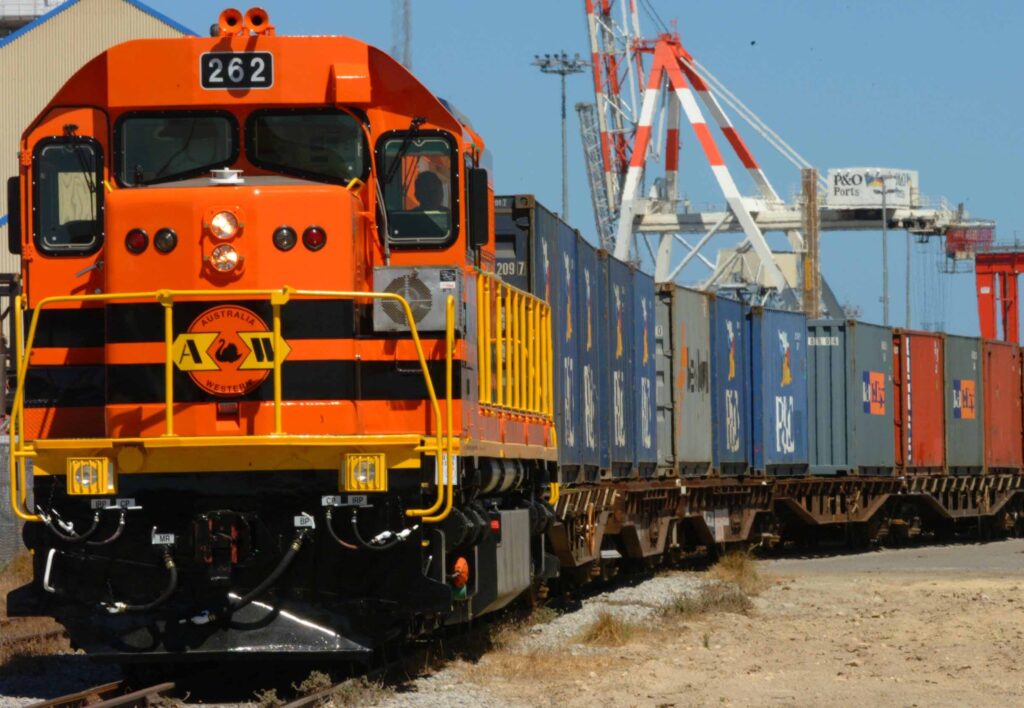
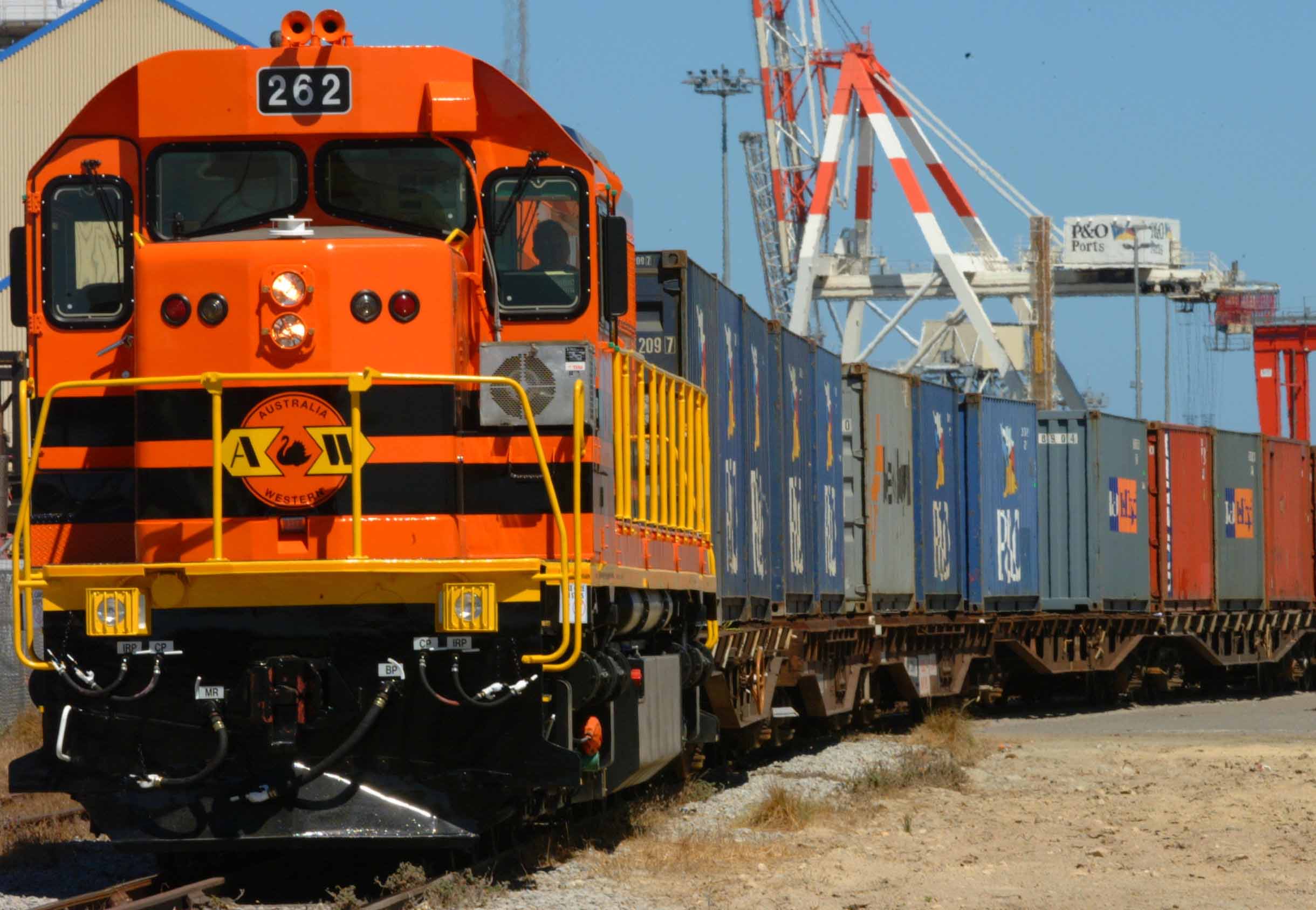
Somewhere in the sprawling railway yards of Xi’an, a gantry crane lifts a heavy container onto a waiting flatcar. The box is packed with auto parts, electronics, and winter clothing. It is not heading for a port. It is going overland. The train will roll for days across China, Kazakhstan, Russia, Belarus, and into Poland. That journey is becoming one of the most important trade corridors on Earth.
This is not a romantic nod to the old Silk Road. It is an unsentimental business reality. Rail freight traffic between China and Europe via Russia has increased by almost 50% this year. The reason sits in the Red Sea, where security fears have turned a historic shipping lane into a danger zone. The Suez Canal, once the quickest shortcut between Asia and Europe, is now a chokepoint that many vessels refuse to approach.

The Ocean Is No Longer Safe
For decades, ocean shipping was the undisputed king of global trade. The math was simple. A massive container ship could carry thousands of boxes at a low cost per mile. The route through the Suez Canal cut thousands of nautical miles off the journey between Shanghai and Rotterdam. It was fast enough, cheap enough, and safe enough. The system worked.
Then came the attacks. Drones and missiles began targeting commercial vessels in the Red Sea. The Bab el Mandeb strait, the narrow passage at the southern entrance to the Red Sea, became a high risk zone. Shipping lines had to choose between paying skyrocketing war risk insurance premiums or taking the long way around the Cape of Good Hope. Most chose the long way. That added ten to fourteen days to every voyage and pushed fuel costs far higher.
The ocean route has not stopped running, but it has lost its rhythm. Ships arrive late. Schedules are broken. Ports are congested. Shippers cannot rely on arrival dates. In the world of just in time logistics, this is more than an inconvenience. It is an existential threat to any business that depends on a predictable supply chain.
The Rise of the Overland Corridor
While the sea routes have struggled, the steel rails of Eurasia have quietly expanded. The Kazakhstan Russia Belarus corridor is the most mature of the overland routes. It connects the Chinese manufacturing heartland with the European consumer market through a direct, continuous rail link.
Geography is on its side. The tracks run along a relatively flat path across the Eurasian landmass. Many sections were built decades ago, but they have been upgraded with modern signaling, double tracking, and improved terminals. Customs facilities have been streamlined. Digital tracking allows shippers to see their cargo in near real time, no matter where it is moving.
The numbers explain the shift. A train leaving Chengdu can reach Duisburg in under twenty days. A ship leaving Shanghai and sailing around Africa can take more than forty days. For a commodity like laptop computers, fashion items, or spare parts, that difference is enormous. Rail also offers more frequent departures. Shippers can send smaller batches without waiting for a vessel to fill up.
The result is a corridor that can absorb a 50% surge in traffic and still keep moving. That is no small achievement. It is the product of years of investment and cooperation among multiple governments.

Why Shippers Are Switching
There are several clear reasons why rail is winning new fans. The first is speed. Rail is three times faster than the current ocean alternative. The second is reliability. Rail schedules are less dependent on weather and sea conditions. The third is security. An overland train does not have to pass through a missile filled strait. The fourth is cost. Rail is more expensive than normal ocean freight, but it is much cheaper than air freight, and when the ocean route detours around Africa, the cost gap narrows dramatically.
There is also the environmental factor. European regulators are pushing companies to reduce their carbon footprint. Rail produces a fraction of the emissions of flying goods. It also produces less than the new, longer ocean route. Many sustainability minded brands are moving to rail as part of their green logistics strategy.
Shippers are not abandoning ships entirely. They are building a mix. They are using rail for time sensitive goods, ocean for bulky low value goods, and air for emergencies. This multimodal approach is the future of supply chain design.
Digital freight platforms have made rail booking almost as easy as booking a flight. A shipper can compare rates, reserve space, and track the train on a mobile phone. This transparency has lowered the barrier for small and medium sized businesses. They no longer need a dedicated logistics department to navigate the overland route. That ease of use is another reason the corridor is growing so quickly.
The Geopolitical Tightrope
No honest discussion of this corridor can ignore the political context. The route passes through Russia, a country under heavy sanctions and international pressure. The war in Ukraine has made some companies wary of doing business with Russian entities. Western governments have imposed export controls and financial restrictions that can complicate trade flows.
Yet the rail service has continued. The cargo is civilian in nature. Consumer goods, electronics, auto parts, and industrial machinery are not the kind of items targeted by sanctions. Rail operators have adapted. Payments are processed through banks that are still willing to facilitate the trade. Insurance products have been developed specifically for the overland journey.
The market has made its choice. The almost 50% growth in traffic is a clear signal that the commercial benefits outweigh the geopolitical discomfort. Not every company wants to be publicly associated with this route, but many are quietly using it because it works.
The Human Element
Behind the statistics are real people making real decisions. A logistics manager in Munich wakes up to a notification that her ocean shipment has been delayed in Singapore because the mother vessel had to avoid the Red Sea. Her phone starts buzzing with customers asking where their goods are. She has two options. She can wait for the next available ship, or she can book space on a train. The train is leaving from Xi’an tomorrow. The price is reasonable. The arrival date is guaranteed. She makes the call.
That decision, repeated thousands of times, has reshaped trade flows. Freight forwarders in the corridor are hiring more staff. Trucking companies that move containers between rail terminals and warehouses are running double shifts. Customs brokers are working around the clock. The corridor has created an entire ecosystem of jobs and services.
In the remote border towns of Khorgos and Brest, the activity is visible. Long lines of trucks, cranes swinging, and trains being reloaded onto different gauge tracks. These are the new gateways of global trade, far from the busy ports that used to dominate the map.
The Role of Kazakhstan and Belarus
It is impossible to discuss this corridor without acknowledging the transit countries. Kazakhstan is not just a bridge between China and Russia. It is a nation that has invested heavily in its railway networks and border infrastructure. The dry ports at Khorgos and Dostyk have become massive logistics hubs. The Kazakh government sees the rail corridor as a strategic asset, one that brings revenue and global relevance.
Belarus plays a similar role on the western side. The border crossing with Poland is one of the busiest points on the entire route. Belarus has modernized its terminals and its customs processes. The result is a smooth handoff between the broad gauge tracks of the former Soviet Union and the standard gauge tracks of Europe. This smoothness is essential for maintaining the speed that makes rail competitive.
The Road Ahead
Will this rail surge last? It will last as long as the ocean remains unreliable. The Red Sea crisis could ease tomorrow, but the memory of missile attacks will linger. Shippers have learned that concentrated chokepoints are dangerous. They will continue to diversify their routes, and rail will be part of that diversification.
Investment in the corridor is ongoing. Kazakhstan is expanding its capacity at border crossings. Russia has announced plans to modernize the TransSiberian line. Belarus is upgrading its logistics centers. China continues to subsidize rail freight to promote exports. The infrastructure is being built for a future where overland trade plays a permanent role.
There are also dreams of connecting further south, to Iran, to Turkey, and to Central Asia. The China Kyrgyzstan Uzbekistan railway could open new paths. The Middle Corridor through the Caucasus is growing, though it is still less developed than the northern route. The global map of trade is becoming more complex, and that is a healthy thing for supply chain resilience.
A New Balance of Trade
The rise of China Europe rail freight via Russia is more than a reaction to danger. It is a sign that the world is building a more balanced network of trade routes. Ocean shipping will never disappear, but it will no longer hold a monopoly. Rail is proving that the land can be just as powerful as the sea.
For businesses, the lesson is simple. Route diversity is survival. The company that depends on one corridor, one port, or one mode of transport is vulnerable. The company that embraces rail, ocean, and air in a flexible mix is ready for anything.
The next time you see a list of trade statistics, remember the train. It is moving through the heart of Asia, carrying goods and hopes across thousands of miles. It is the quiet champion of a shaken supply chain world.
The Red Sea still stirs, and the Suez Canal still faces uncertainty. But the rails remain solid. The trains keep rolling. The almost 50% rise in traffic is not just a number. It is the sound of a new world taking shape.