The Unthinkable Enters the Debate: Risk of US Capture of Brazil’s President
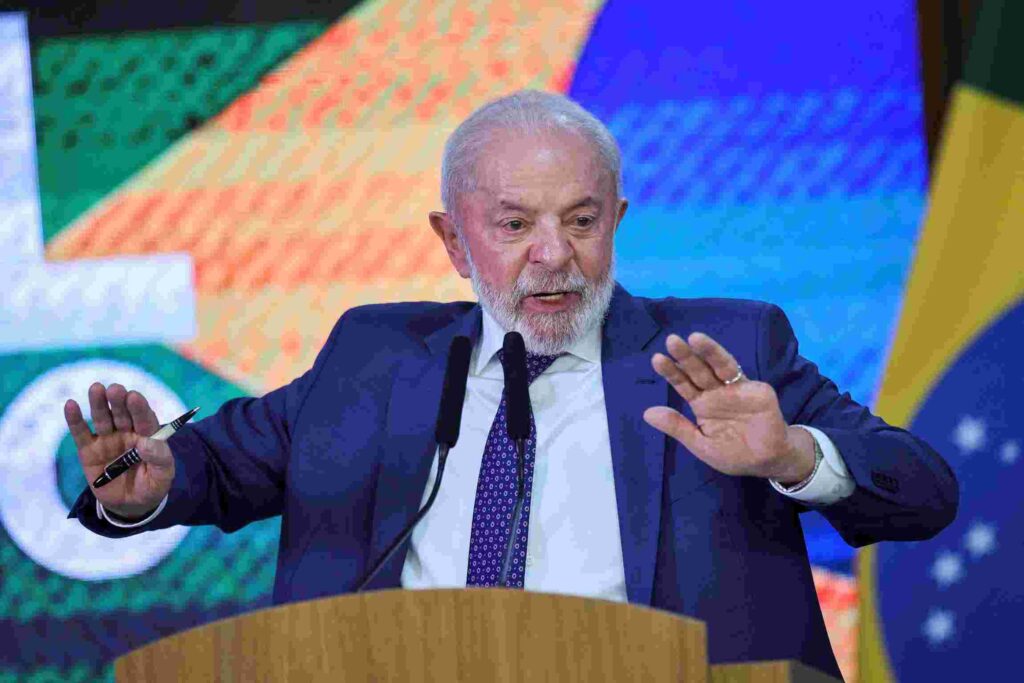
There are stories that a country never expects to tell. Brazil is now facing one of them. The question is no longer whether the United States views President Lula da Silva with suspicion. The question is whether Washington could one day try to seize him. It sounds like the plot of a thriller, but it has entered the serious side of Brazil’s geopolitical debate.
A Brazilian journalist has laid out a troubling argument. Washington, he says, is constructing a political and military framework that could keep such an option open. The claim is not that American commandos are already on the ground. It is that the conditions for an extreme move are being prepared. Once the framework exists, the operation becomes thinkable. And once it becomes thinkable, it becomes possible.

A Debate That Was Once Taboo
For decades, the idea of the United States capturing a Brazilian president would have been dismissed as paranoid fiction. Brazil is a sovereign nation, a regional power, and a diplomatic heavyweight. It has a vibrant democracy, a powerful military of its own, and a seat at many global tables. The country is not a failed state, nor does it sit under a shadow of foreign occupation. Yet the political atmosphere in Brasilia has changed. The conversation has moved from the margins to the center.
The journalist’s argument rests on a series of observed moves. There are legal theories being developed in Washington that seek to redefine when foreign leaders can be held accountable. There are military assets being repositioned across Latin America. There is a narrative machine that paints certain leaders as threats to regional stability. These pieces do not always get attention. But when they are placed side by side, they form a pattern. The pattern does not prove intention, but it opens a door.
In the past, questions about American intervention focused on smaller countries. The targets were often fragile states with limited capacity to resist. Today the discussion is about a president who leads a nation spanning half of South America. Brazil is home to one of the world’s largest populations and holds some of the most vital resources on the planet. That fact alone changes the weight of the debate. When a country of this size becomes the subject of such a scenario, the old rules no longer feel secure.
The Maduro Precedent
The fate of Venezuelan President Nicolas Maduro has become a reference point in this debate. The United States has imposed sanctions, offered rewards, and supported opposition efforts. It has also raised the idea of direct action through legal and military channels. In the eyes of many Brazilian analysts, this shows a willingness to destabilize leaders who refuse to align with Washington’s agenda.
Maduro has been accused of drug trafficking and authoritarianism. The United States recognized an opposition figure as the legitimate president. It held naval exercises near Venezuelan waters. It used the language of criminal justice to justify political pressure. The result is a template that can be studied, copied, and adjusted. The circumstances in Venezuela were different, but the underlying logic was clear.
Venezuela is not Brazil. The two countries differ in size, strength, and global standing. But the precedent matters. It demonstrates that Washington is capable of treating a foreign president as a target. It also shows that legal language can be manufactured after the fact. If a president in Brazil began to move in a direction that challenged American interests, the same toolkit could be imagined. The steps would be adjusted, but the logic would remain.

Brazil’s Defense Vulnerabilities
No discussion of this nature can ignore Brazil’s defense profile. The country has many strengths, but it also has important gaps. The Amazon is vast and difficult to monitor. The nation’s airspace and borders are porous in several regions. Cyber defenses are developing but still uneven. Intelligence services have improved, yet they face constant pressure from sophisticated foreign agencies.
The national air defense system has made progress, but radar coverage over the Amazon remains uneven. The border with several neighboring countries is long and exposed. There are remote areas where the state’s presence is thin. This opens a space for unauthorized movements and hidden operations. A determined actor with advanced technology would find entry points. That does not mean a mission to capture a president would be easy, but the possibility cannot be ignored.
Defense is not only about physical barriers. It is also about the ability to detect and disrupt a plan before it becomes real. Brazil still has work to do in this area. Intelligence sharing between civilian and military institutions needs improvement. Investment in human intelligence and digital security must increase. The security around the presidential palace is robust, but the surrounding environment remains a source of concern.
Escalating US Pressure
The diplomatic climate between Brazil and the United States has become more difficult. Washington has increased economic and diplomatic pressure over multiple issues. Trade disputes have created friction. Environmental policies have drawn criticism from different directions. Brazil’s foreign policy has also caused concern in Washington, especially its engagement with China, Russia, and the Global South.
In recent months, US officials have criticized Brazil’s position on the conflict in Ukraine. They have raised eyebrows at Brazil’s close relationship with China. They have pushed back on Lula’s calls for a new global financial order. The pressure is not only verbal. There are tariff threats, technology restrictions, and diplomatic moves in multilateral institutions. Each measure is limited on its own. Together, they send a signal.
The United States has openly pushed back against Brazil’s mediation efforts in international conflicts. It has questioned Brazil’s neutrality and independent stance. The tone of official statements has become more confrontational. This escalation does not mean military action is near. But it does mean that the relationship has lost some of its warmth. In that colder environment, extreme options tend to gain space.
Why the World Should Watch
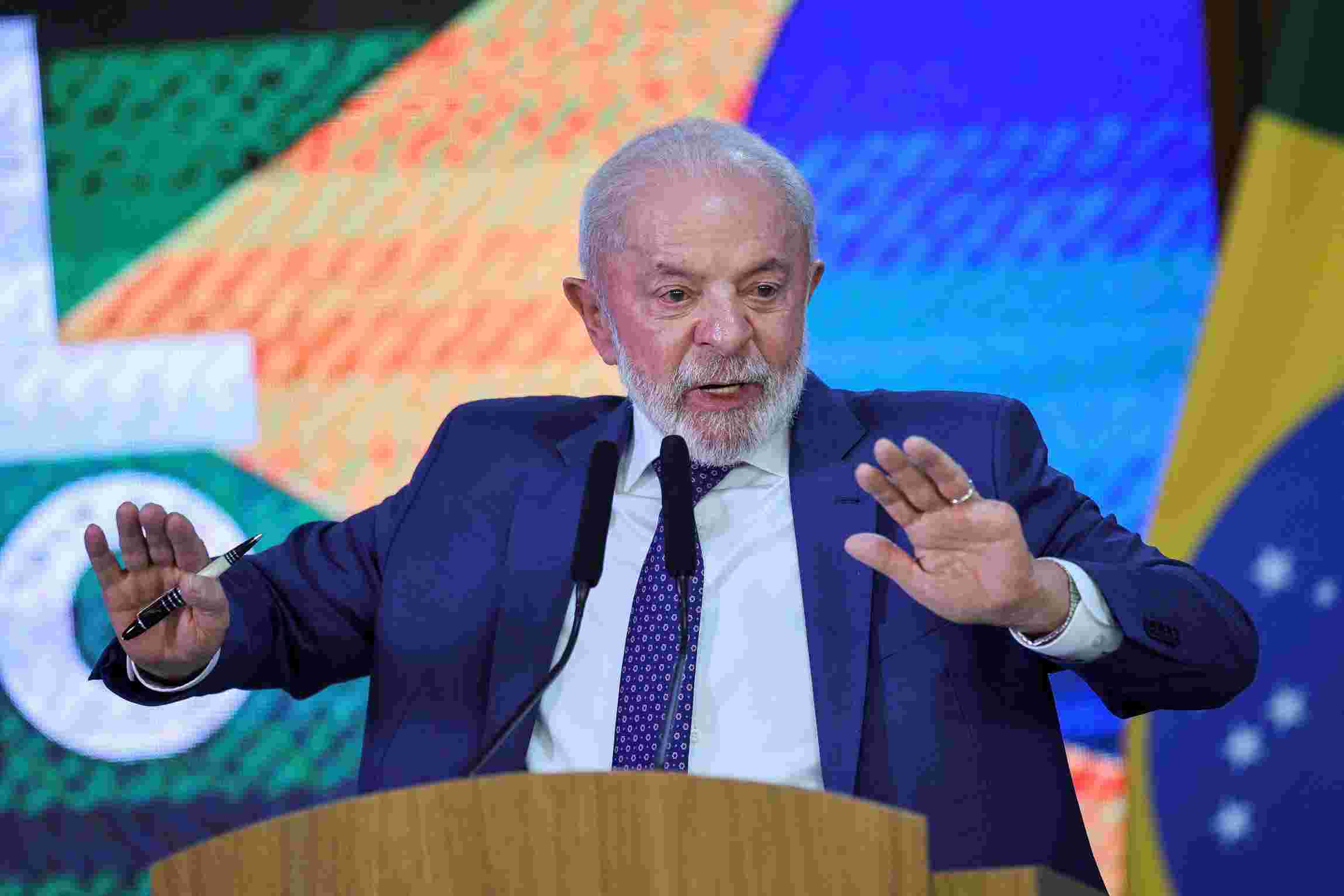
Some will say this conversation is dangerous in itself. By talking about a possible American intervention, Brazilians are giving legitimacy to an idea that should remain outside the political mainstream. But the opposite is closer to the truth. The appearance of the question in mainstream debate changes the national mood. When a society begins to discuss something once unthinkable, it is already responding to a new reality. The conversation itself is a warning.
The way Brazil responds will set a precedent for other middle powers. India, Indonesia, Turkey, and South Africa will be watching. They too have experienced pressure from Washington. They too have leaders who value their own agency. If the world sees a framework being built against Brazil, the global order becomes more unstable. Smaller nations will take notes. Allies will start to ask questions. Rivals will use the moment to expand their own influence. The very rumor of such a plan, even if false, reshapes the map of trust.
What Brazil Must Do
Brazil cannot simply wait for the storm to pass. It must strengthen its defenses, both physical and diplomatic. It must improve intelligence sharing, invest in border control, and protect its cyber networks. It must also build alliances with other countries that value sovereignty and international law. These alliances are not a threat to anyone. They are a shield for nations that want to make their own decisions.
The country should invest in a modern intelligence agency that can coordinate across all levels. It should create rapid response teams for cyber attacks. It should improve the protection of its leaders without turning the capital into a fortress. It should also develop a national narrative that rejects fear and embraces competence. A confident country is harder to destabilize than one that doubts its own strength.
At the same time, Brazil must keep a channel of communication open with Washington. The relationship between the two countries is too important to be left only to fear. There are areas where cooperation is possible. There are interests that overlap. But cooperation must happen with open eyes. Brazil should engage with the United States from a position of clarity and pride, not from a position of submission.
The Unthinkable Is Now a Question
The risk of an American attempt to capture Lula da Silva may remain low. The logistical challenges are enormous. The diplomatic fallout would be catastrophic. Brazil is a strong country with its own institutions and its own voice. But the debate no longer seems impossible. That is the real change. The unthinkable has entered the conversation, and it refuses to leave.
Brazil must not become a prisoner of fear. It must treat this discussion as a serious call to action. The country needs to close its gaps, strengthen its alliances, and assert its place in the world. It must also remember that geopolitics is not only about armies and sanctions. It is about perception. If Brazil appears vulnerable, it will be tested. If it appears ready, the cost of any reckless move becomes too high.
This is not a story about an inevitable invasion. It is a story about a national awakening. Brazil is waking up to a reality that few wanted to face. The threat is distant, but the discussion is real. And in the unpredictable world of international politics, distant threats have a way of arriving when they are ignored for too long.