Indonesia Ships First Frozen Tuna Export from Maluku to Thailand
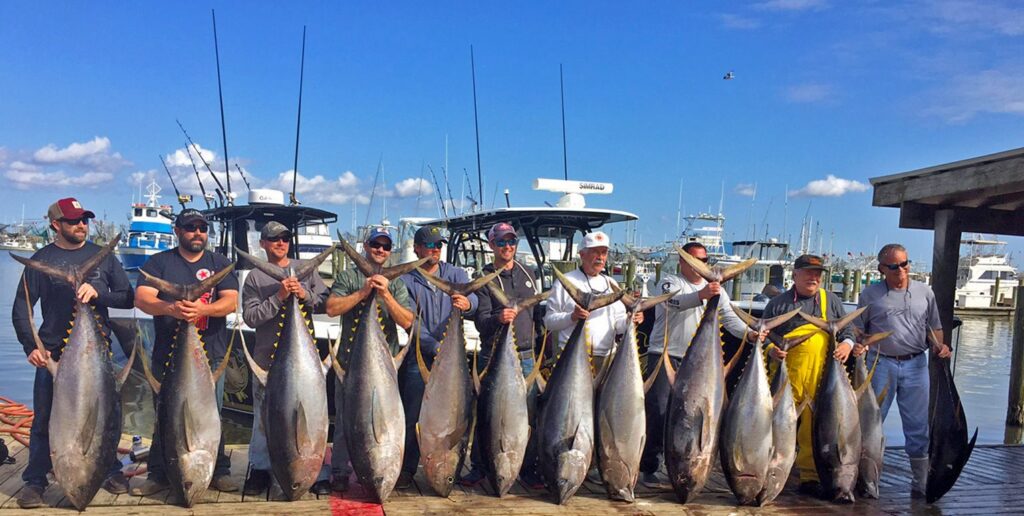
The morning light painted the waters of Maluku in shades of gold and blue. Fishing boats returned to the dock with their precious catch, and for the first time, the air carried a feeling of a new beginning. This was not just another day of fishing. It was the day Indonesia sent its first frozen tuna export from Maluku to Thailand. The moment marked a concrete step by the government and regional authorities to support economic growth, and it gave local communities a reason to dream bigger.

The shipment left the port with great ceremony. Government officials, local leaders, and fishing communities gathered to witness the event. They watched as containers filled with frozen tuna were carefully loaded onto the vessel. The destination was Thailand, a major seafood market in Southeast Asia. For the fishermen of Maluku, this shipment represented years of hard work and hope. For the region, it signaled a new chapter in Indonesia’s seafood industry. The people standing at the docks knew they were part of something important. Some had been fishing these waters for generations. Others were young workers just starting out. All of them shared a sense of pride.
The export process was not simple. It required coordination between fishermen, processing facilities, transport companies, and government agencies. Each step had to meet international standards. The tuna had to be caught, sorted, cleaned, frozen, and packed with care. Temperature controls were monitored continuously. Documentation had to be prepared and verified. This level of complexity meant that the first successful shipment was a sign of real progress. It showed that Maluku could compete on the global stage.
From Ocean to Global Market
Maluku has always been known for its rich marine resources. The waters around the islands are home to some of the best tuna in the world. For many years, local fishermen sold their catch through informal channels or to middlemen who offered low prices. The fishermen worked hard but received little reward. Today, the frozen tuna export chain offers a more direct path to international buyers. The fish are caught, processed, frozen, and shipped under controlled conditions. This ensures quality and opens doors to premium markets.
The export to Thailand is not just about one shipment. It is about creating a system that can repeat itself. Fishermen now understand that their catch can travel far beyond local markets. They can become part of a global supply chain. This brings stability and predictability to their income. Families can plan for the future. Children can stay in school. Communities can invest in better equipment and infrastructure. The impact of this single export event will be felt for a long time.

The success of this export would not be possible without strong support from the government and regional authorities. They worked together to create policies that encourage seafood exports. They invested in cold storage facilities, port upgrades, and quality control measures. They also helped fishermen obtain the licenses and certifications needed for international trade. This is a concrete step by the government and regional authorities to support economic growth, and it shows what can happen when public and private sectors cooperate.
Regional authorities in Maluku have been especially active. They recognized the potential of the tuna industry early and took action. They organized training programs for fishermen and processors. They connected local businesses with international buyers. They promoted Maluku tuna as a brand known for quality. The result is a reliable export channel that can bring consistent revenue to the region. Local leaders have described this achievement as a model for other provinces. They believe that with the right policies, any coastal region in Indonesia can follow a similar path.
The government also understands the importance of sustainability. Tuna stocks must be managed carefully to ensure future generations can continue to benefit. Therefore, the export program includes measures to prevent overfishing. Fishermen are encouraged to use responsible methods. The goal is to balance economic growth with environmental protection. This approach creates a healthier industry for everyone. It also protects the reputation of Indonesian seafood in international markets, where buyers are increasingly concerned about sustainability.
A Symbol of Economic Transformation
The first frozen tuna export from Maluku to Thailand is more than a business transaction. It is a symbol of economic transformation. For too long, resource rich regions in Indonesia have watched their wealth leave without seeing much benefit in return. Maluku has often been described as rich in fish but poor in infrastructure. This shipment challenges that narrative. It proves that local communities can take part in the value chain and earn a fair share.
The export also sends a message to other countries. Indonesia is not just a supplier of raw materials. It is capable of processing and delivering high quality seafood products. The frozen tuna from Maluku meets the requirements of a demanding market like Thailand. This demonstrates the potential of Indonesian seafood as a whole. It invites more investment and more partnerships. It strengthens Indonesia’s position in the global seafood trade.
 What This Means for Local Communities
The first frozen tuna export from Maluku to Thailand has already changed the mood in coastal villages. People feel visible. Their work is recognized on an international stage. This pride is important because it fuels motivation. Fishermen are eager to improve their skills and meet standards. They know that their efforts now lead to real results.
The economic impact is also significant. Export earnings flow back into the local economy. Some of the money goes to the fishermen directly. Some goes to processing facilities and transport workers. Local businesses that supply fuel, ice, and packaging also benefit. This multiplier effect spreads prosperity through the community. It is a reminder that a single export shipment can touch many lives. In a region where opportunities are sometimes limited, this new source of income is precious.
There are also social benefits. With more stable incomes, families can afford better nutrition and healthcare. Parents can invest in their children’s education. Young people see a future in the fishing industry and are less likely to leave their hometowns. This helps preserve the cultural identity of Maluku while adapting to modern opportunities. The fishing community becomes stronger and more confident.
Challenges on the Road Ahead
While the first shipment is a reason to celebrate, there are challenges on the road ahead. Maintaining quality across a long supply chain requires constant attention. A small mistake in temperature control can ruin an entire container. This means continuous training and investment. It also means that all parties must remain disciplined and follow the rules.
Competition in the international market is strong. Thailand is a major seafood hub with suppliers from many countries. To succeed, Indonesian exporters must offer competitive prices without sacrificing quality. This is not easy. It requires efficient operations and strong relationships with buyers. The government can help by providing market intelligence and trade support. Regional authorities can help by ensuring that infrastructure remains reliable.
The fishing industry also faces unpredictable weather and changing ocean conditions. Climate change is affecting fish migration patterns. Fishermen must adapt to these shifts. They need access to real time data and new fishing techniques. They also need safe harbors and weather warning systems. All of these require continued cooperation between the public and private sectors.
Looking Ahead
The journey to Thailand is only a beginning. Indonesia has enormous potential in the global seafood market. Maluku is one of many regions with rich marine resources. If this export model succeeds, it can be replicated in other parts of the country. The government has already expressed interest in expanding the program. More destinations are being explored. More products are being developed.
There is also room for innovation. Processors can create new products from tuna, such as steaks, fillets, and canned goods. They can use byproducts to produce fish meal and other value added items. This would create more jobs and generate more revenue. The first frozen tuna export is a foundation on which a larger industry can be built.
For the fishermen who watched the container leave the port, the moment was emotional. They had seen many promises in the past that did not materialize. This time, the promise became a physical reality. The frozen tuna was on its way to Thailand. The paperwork was complete. The support from authorities was real. It was a concrete step, and it gave everyone a sense of direction.
The story of Maluku’s first frozen tuna export is a story about more than fish. It is about dignity, opportunity, and cooperation. It is about a region that refused to stay in the background of Indonesia’s economy. It is about governments and local communities working together for shared success. And it is about the ocean, which continues to give life to those who respect it. As the ship sails toward Thailand, it carries not just tuna, but the hopes of an entire region.