Understanding Bangladesh’s Growing Strategic Relevance
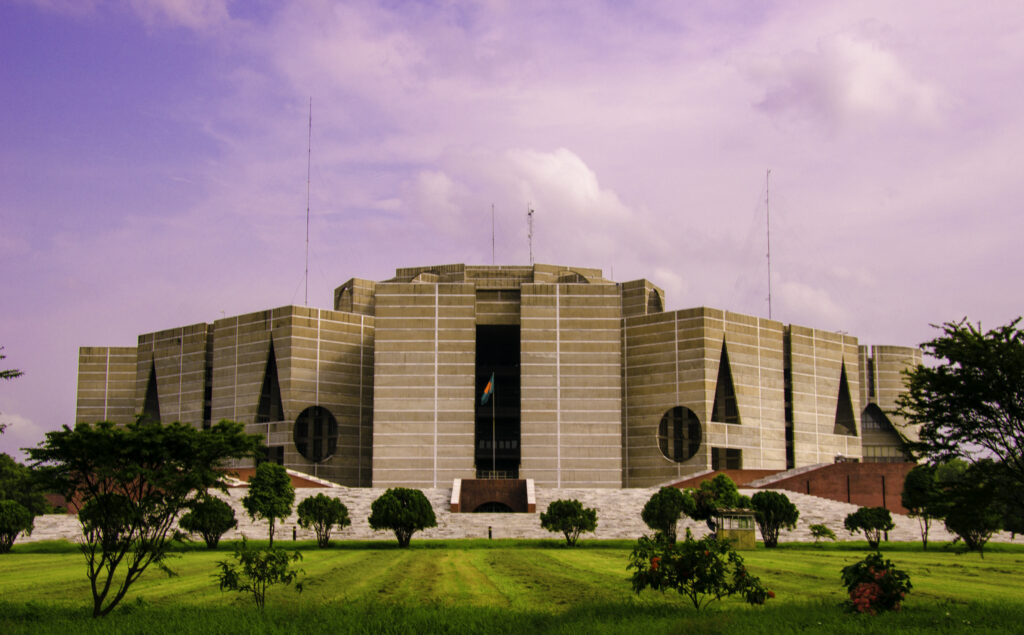
In the quiet corridors of international diplomacy, a shift is underway. Bangladesh, a nation often perceived through the lens of its garment factories and flood prone deltas, is quietly stepping onto a larger stage. Its recent request for Russian support in joining both the BRICS bloc and the Shanghai Cooperation Organisation (SCO) has sent ripples through diplomatic circles, reigniting a crucial debate about where this South Asian nation truly belongs in an evolving global order. This is not merely a geopolitical maneuver; it is the story of a country discovering its own voice and weight in a world that is rapidly redrawing its alliances.
To understand this moment, we must look beyond the headlines. Bangladesh is no longer the impoverished basket case some once imagined. It has transformed into one of Asia’s fastest growing economies, a resilient democracy that balances development with foreign policy pragmatism. Its bid to join these two major organizations is a declaration of intent: Dhaka no longer wishes to be a passive observer. It wants to be a shaper of the future.

The Diplomatic Pivot: Why BRICS and SCO Matter
BRICS, a grouping of major emerging economies including Brazil, Russia, India, China, and South Africa, has long been seen as a counterweight to Western dominated institutions. The SCO, originally focused on security and stability in Central Asia, has expanded its scope to include economic and political cooperation. For Bangladesh, membership in these bodies means access to new markets, alternative financial systems, and a platform to voice its concerns on issues like climate change and Rohingya repatriation. But the move also signals a subtle recalibration of its foreign policy. For decades, Dhaka balanced its ties between the United States, China, and India. Now, it is exploring a multipolar path.
The request for Russian support is particularly telling. Russia, despite its ongoing conflict with Ukraine, remains a significant player in energy, defense, and nuclear power. Bangladesh already operates the Rooppur Nuclear Power Plant, built with Russian assistance. This relationship is deepening. By asking Moscow to sponsor its entry into BRICS and SCO, Dhaka is leveraging a trusted partnership to open doors that might otherwise be closed.

The Domestic Calculus: Development and Identity
At home, the government of Prime Minister Sheikh Hasina has pushed a narrative of development and self reliance. The country graduated from least developed country status in 2026, a milestone that demands new trade and investment strategies. Joining BRICS and SCO aligns with the goal of diversifying economic partnerships away from over reliance on Western markets. But there is also a cultural and identity dimension. Bangladesh, a Muslim majority nation with a Bengali heritage, sees itself as a bridge between South Asia, Southeast Asia, and the broader Islamic world. The SCO includes Central Asian republics with shared historical and cultural links, while BRICS offers a platform for Global South solidarity.
Critics, however, warn of a potential balancing act. India, a key neighbor and the largest economy in the region, is a member of both BRICS and the SCO. China, another member, is Bangladesh’s largest trading partner. But Beijing and New Delhi are rivals. Dhaka must navigate these treacherous waters carefully. Too close an embrace of either could alienate the other. Yet the move to join both organizations simultaneously suggests a desire to create a neutral space where Bangladesh can engage with all major powers without being seen as taking sides.
The Geopolitical Chessboard
Bangladesh’s strategic location cannot be overstated. Sitting in the Bay of Bengal, it lies along critical sea lanes that carry a significant portion of global trade. The country also shares a border with India and Myanmar, and is a key player in regional connectivity projects such as the Belt and Road Initiative and the Bangladesh China India Myanmar Economic Corridor. Its inclusion in BRICS and SCO would give these organizations a direct stake in the stability and development of the Bay of Bengal region, a zone increasingly contested by naval powers.
Moreover, the timing is significant. The world is fragmenting into blocs. The West, led by the United States, is pushing for democratic alliances. The East, led by China and Russia, is championing a multipolar order. Bangladesh, by aligning with both camps through different mechanisms, is hedging its bets. It is a classic strategy of small and middle powers: keep all options open, maximize autonomy, and avoid being caught in the crossfire of superpower competition.
The Road Ahead: Challenges and Opportunities
Membership in BRICS and SCO is not guaranteed. The organizations have internal dynamics and admission criteria. Bangladesh will need to demonstrate its commitment to shared goals, including counterterrorism, economic integration, and regional stability. It will also need to manage expectations. Some Western observers may view the move as a tilt away from democratic norms, though Dhaka insists it is simply pursuing economic and security interests. Domestically, opposition parties have criticized the decision, arguing it could compromise Bangladesh’s sovereign decision making. But for the ruling party, the calculus is clear: growth and stability require a foreign policy that is as dynamic as the global order itself.
As the sun sets over the Padma River, one can almost feel the shift in the air. Bangladesh is no longer content to be a small player. It is a nation with a story to tell, a voice to be heard, and a place in the future that is still being written. The request to join BRICS and SCO is not just a diplomatic note; it is a chapter in that unfolding narrative.
Conclusion: A New Dawn for Bangladesh
Bangladesh’s growing strategic relevance is a testament to its remarkable journey from poverty to promise. Its pursuit of membership in BRICS and the SCO is a bold step, one that reflects both ambition and pragmatism. In a world where alliances shift like sand, Dhaka is building a foundation on multiple pillars. Whether this strategy succeeds will depend on the skill of its diplomats, the resilience of its economy, and the wisdom of its leaders. But one thing is certain: Bangladesh is no longer waiting for its place in the global order. It is actively claiming it. And the world should take notice.