Gujarat and Astrakhan Forge a New Silk Road: INSTC Cooperation and Shipbuilding Ties Take Center Stage
In a digital handshake that echoed across continents, Gujarat Chief Minister Bhupendra Patel sat down with Igor Babushkin, the Governor of Russia’s Astrakhan region, for a virtual meeting that promised to reshape trade and industrial collaboration between the two powerhouses. The conversation from Gandhinagar to the Volga Delta was more than a diplomatic formality; it was a strategic alignment of ambitions. As the world redraws its economic maps, Gujarat and Astrakhan are betting on the International North South Transport Corridor (INSTC) and shipbuilding as the twin engines of a new partnership.
The Virtual Summit: A Meeting of Minds
The virtual meeting was not just a courtesy call. It was a calculated move to accelerate cooperation under the INSTC, a multimodal network that links India to Russia, Central Asia, and beyond. Chief Minister Patel, known for his focus on infrastructure and industry, outlined Gujarat’s advantages: its long coastline, world class ports like Kandla and Mundra, and a robust shipbuilding ecosystem. Governor Babushkin, representing a region that is Russia’s southern gateway on the Caspian Sea, reciprocated with enthusiasm. Astrakhan is a key node in the INSTC, with its own port facilities and shipyards. Together, they aim to reduce transit times for goods between India and Russia from 40 days via traditional routes to just 20 days through the corridor. This is not just about speed; it is about resilience, bypassing congested straits and geopolitical chokepoints.
Understanding INSTC: The Corridor of Opportunity
The INSTC is more than a trade route; it is a revival of ancient Silk Road spirits. Originating from the Iranian port of Bandar Abbas, it travels through the Caspian Sea to Astrakhan, then via Russian railways to the rest of Europe. For Gujarat, this means a direct link to Russian markets for its pharmaceuticals, textiles, and engineering goods. Russia, in turn, can export energy resources, metals, and fertilizers to India at lower costs. The virtual meeting focused on streamlining customs procedures, harmonizing standards, and investing in logistics infrastructure. Both leaders emphasized the need for a joint working group to iron out technical details. The corridor is not just about goods; it is about people, ideas, and cultural exchange. Imagine a Gujarati trader in Ahmedabad sending a container of spices to Moscow in under three weeks, passing through the Caspian breeze. That is the promise the INSTC holds. 
Shipbuilding Synergy: Gujarat’s Maritime Prowess Meets Astrakhan’s Expertise
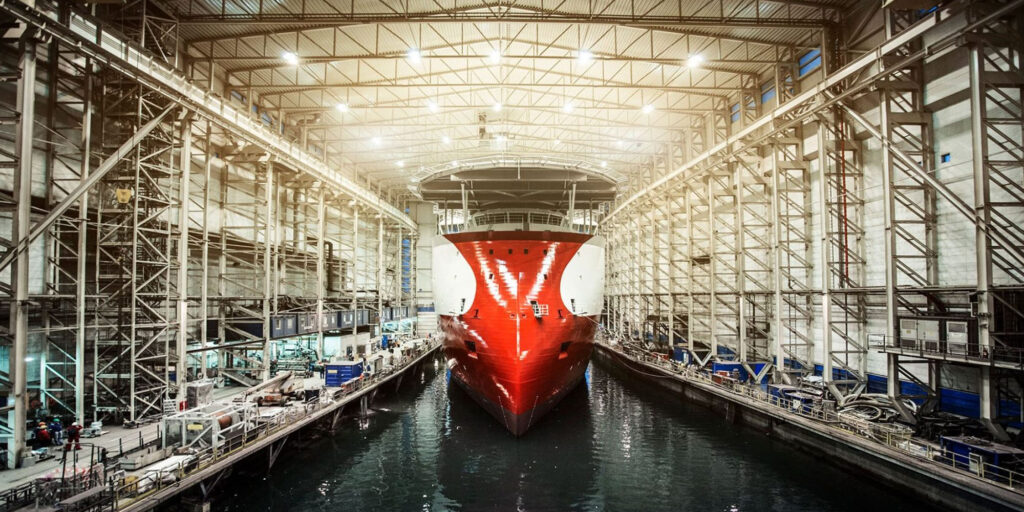
Shipbuilding emerged as a cornerstone of the discussions. Gujarat is already a shipbuilding hub with yards in Bhavnagar, Alang, and Pipavav. Astrakhan, with its centuries old shipbuilding tradition on the Volga, offers complementary skills. The two regions are exploring joint ventures to build cargo ships, tankers, and even specialized vessels for Caspian navigation. This fits neatly into India’s Maritime India Vision 2030 and Russia’s shipbuilding modernization plans. During the meeting, Patel highlighted Gujarat’s incentives for shipbuilding under its industrial policy, including subsidies and single window clearance. Babushkin invited Gujarati firms to set up yards in Astrakhan’s special economic zone. The potential is vast: from building ice class vessels for Arctic routes to retrofitting old ships. The partnership could also generate thousands of jobs on both sides, from welders to naval architects. The conversation even touched on crew training and exchange programs, turning the Volga and the Gulf of Khambhat into twin maritime academies.
Economic Impact: Beyond Trade Numbers
The economic implications of this partnership extend far beyond the INSTC and shipbuilding. Gujarat’s small and medium enterprises could find new markets in the Caspian region. Astrakhan’s agricultural products, including fish, caviar, and grains, could find eager buyers in India. The two regions are also discussing tourism cooperation, with Astrakhan’s unique desert landscapes and Gujarat’s heritage sites forming a cultural bridge. A direct flight between Ahmedabad and Astrakhan was even floated as a future possibility. The virtual meeting ended with a commitment to sign a memorandum of understanding in the coming months. This is not a one off event; it is the beginning of a structured dialogue. Both sides agreed to hold regular consultations and to involve private sector players. For Gujarat, already a magnet for foreign investment, this partnership adds a new dimension. For Astrakhan, it is an opportunity to become Russia’s window to South Asia.
Future Horizons: From Virtual Handshake to Tangible Prosperity
The virtual meeting between Patel and Babushkin is a testament to how diplomacy is evolving. In a post pandemic world, digital platforms enable leaders to forge ties without the carbon footprint of travel. Yet the real work begins now. The next steps involve translation of intent into action: moored agreements, signed contracts, and ships that actually sail. The INSTC, which has been in development for years, now has a new champion in Gujarat. The shipbuilding partnership could transform the Caspian Sea into a hub of Indo Russian cooperation. As the sun sets over the Sabarmati River and the Volga Delta, one thing is clear: the old trade routes are waking up, and Gujarat and Astrakhan are leading the charge. The story of this partnership is still being written, but its first chapter is full of promise.
Conclusion: A Bridge Across Continents
The alliance between Gujarat and Astrakhan is more than a bilateral agreement; it is a blueprint for regional integration in a multipolar world. By leveraging the INSTC and shipbuilding, these two regions are not just trading goods but building trust. Chief Minister Patel’s virtual diplomacy and Governor Babushkin’s open arms have set the stage for a partnership that could resonate across the Caspian, the Indian Ocean, and beyond. As trade winds shift, Gujarat and Astrakhan are positioning themselves as the new hubs of a connected world. For businesses, investors, and dreamers, this is a corridor worth watching.