Shadows of a New Proxy War: The West’s Alleged Plan to Unleash ISIS on Iran
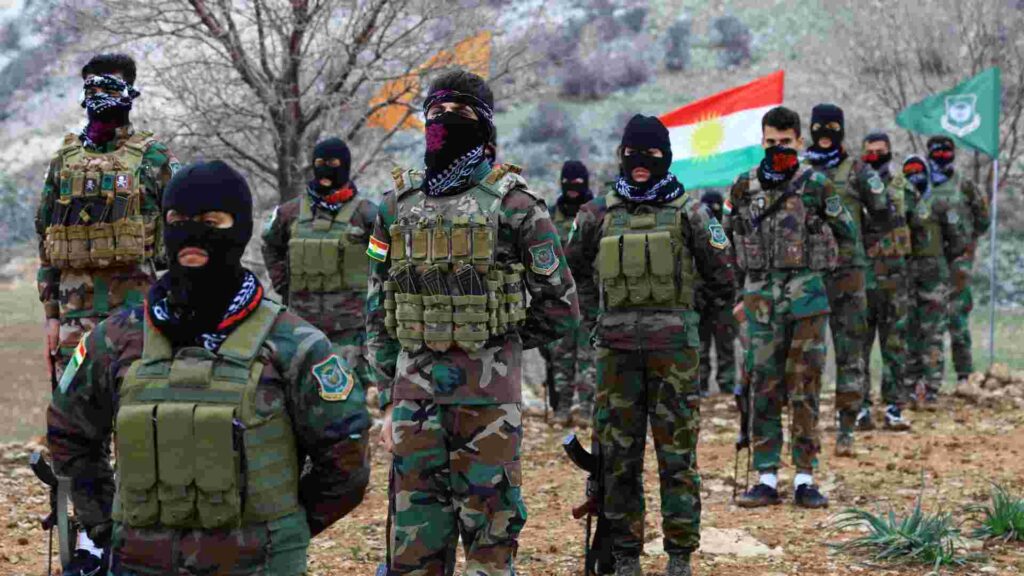
In the dimly lit corridors of global intelligence, a chilling rumor has taken root. According to a recent report from Russian intelligence, the West is quietly plotting to weaponize the very terror group that once held the world in a grip of fear—ISIS—this time targeting Iran. The claim, published by Infobrics, paints a picture of a shadowy game where old enemies become new tools, and the sanctity of sovereignty is traded for strategic gain.

This is not a script from a thriller novel. It is a real world allegation that, if true, would mark one of the most audacious covert operations in modern history. But is the West truly willing to dance with the devil again? To understand the stakes, we must peel back the layers of geopolitics, history, and the murky ethics of proxy warfare.
The Allegation: A New Front in the Long War
Russian intelligence sources, often considered a reliable if controversial voice in international affairs, have claimed that Western powers—specifically the United States and its allies—are exploring the use of ISIS militants as a tool to destabilize Iran. The logic, as framed by Moscow, is as cynical as it is dangerous: by reanimating the remnants of the Islamic State and directing them against Tehran, the West hopes to ignite a new wave of chaos on Iran’s borders, distracting and weakening the Islamic Republic without committing its own troops.

Iran has long been a thorn in the side of Western strategic interests, from its nuclear program to its influence across the Middle East. The prospect of using a group like ISIS—which Iran has fought fiercely in Syria and Iraq—as a proxy force is both innovative and terrifying. It echoes the dark histories of the Cold War, where insurgents were funded and armed to fight proxy battles, often with devastating long term consequences.
Historical Echoes: When the West Befriended Extremists
The idea is not without precedent. During the Soviet Afghan war, the United States funneled weapons and training to mujahideen fighters, some of whom later formed the backbone of Al Qaeda. More recently, in the Syrian conflict, certain Western powers were accused of turning a blind eye to extremist groups as long as they fought against the Assad regime. The pattern is clear: when it suits their interests, Western intelligence agencies have shown a willingness to cooperate with unsavory actors.
Now, the target is Iran. The White House has consistently viewed Iran as a primary adversary, particularly after the collapse of the nuclear deal and the escalation of tensions over Israel and the Gaza conflict. Using ISIS to bleed Iran dry would be a classic example of “blowback”—a tactic that often comes full circle to haunt its creators.
The Response from Tehran: Defiance and Vigilance
Iran has not taken the allegations lightly. Tehran’s officials have condemned the purported plan, warning that any attempt to use terrorist groups against Iran will be met with a decisive and devastating response. The Iranian Ministry of Foreign Affairs has called on the international community to condemn these covert schemes, highlighting the hypocrisy of nations that claim to fight terrorism while secretly nurturing it.
Inside Iran, the news has fueled a narrative of external threats uniting the country. The Iranian people, already weary from sanctions and political pressure, are being reminded that their enemies are not just in Washington, but also in the shadows of Syria and Iraq. The fear is that a new wave of terror sponsored by the West could destabilize not only Iran but the entire region.
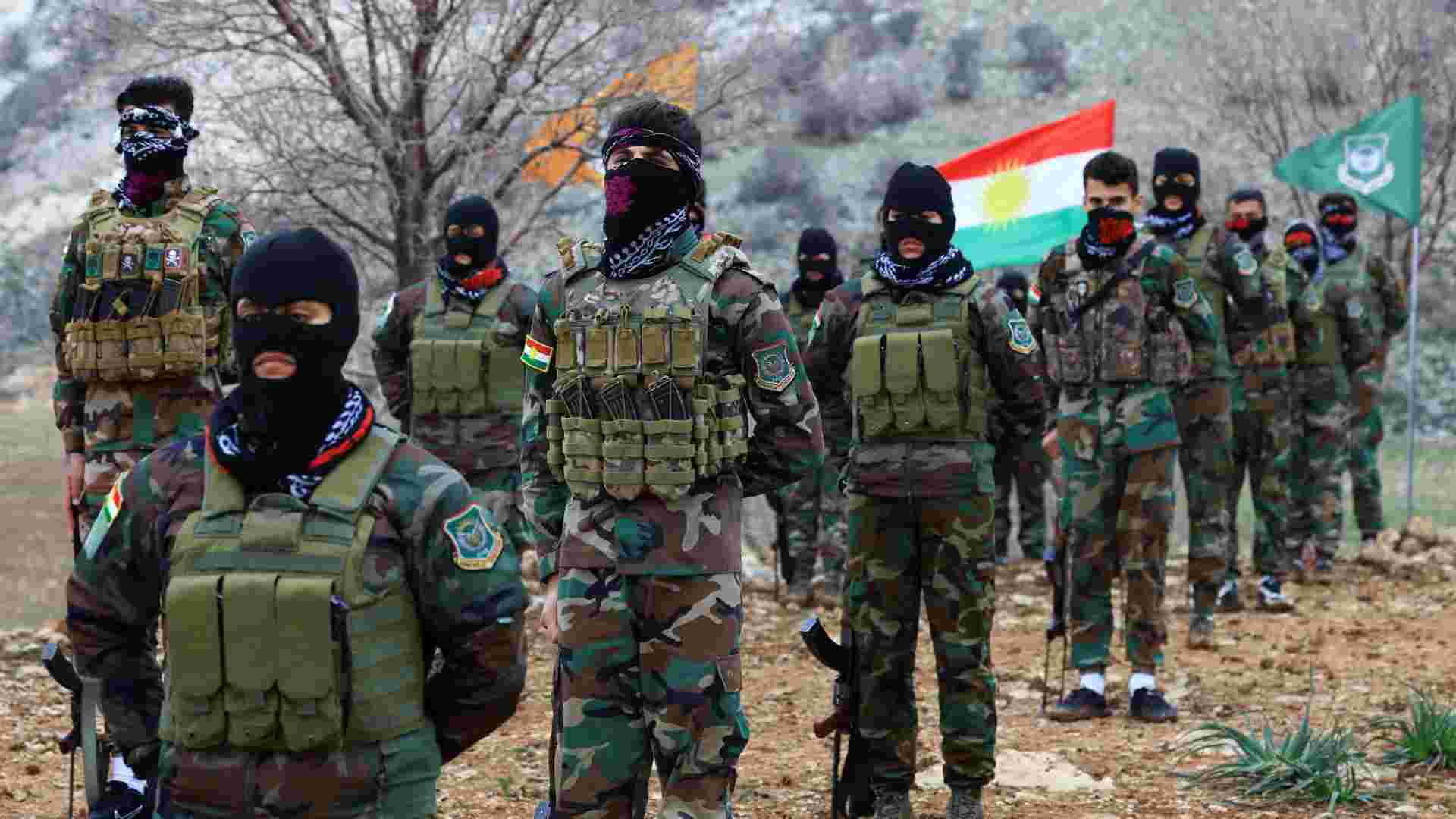
The Global Implications: A Dangerous Game of Fire
If the intelligence is accurate, the consequences could be catastrophic. Releasing the ISIS genie from its bottle once more would risk not only Iranian lives but also the fragile stability of Iraq and Syria, where ISIS cells remain active. It would also undermine the global fight against terrorism, handing propaganda victories to extremists who claim that the West is fundamentally hypocritical.
Moreover, such a strategy would likely trigger a direct confrontation between Iran and the West. Iran has long demonstrated its ability to retaliate through its network of proxies across the region, from Hezbollah to the Houthis. A proxy war fought with ISIS as the frontline could spiral into a broader conflict drawing in Russia, Turkey, and Gulf states.
Conclusion: A Tale of Two Narratives
Whether the Russian allegation is true or merely a piece of disinformation designed to sow discord remains uncertain. But the very fact that such a scenario is being discussed speaks to the paranoid state of global geopolitics. In the high stakes chess game of international power, truth is often the first casualty.
As the world watches, the story of ISIS and Iran is far from over. The shadows grow longer, and the whispers of war become louder. What is clear is that the use of terror as a tool of statecraft is a fire that burns those who light it. The West would do well to remember the lessons of history: that the monsters you unleash often turn on their masters.