China Holds the Upper Hand in US Trade Negotiations
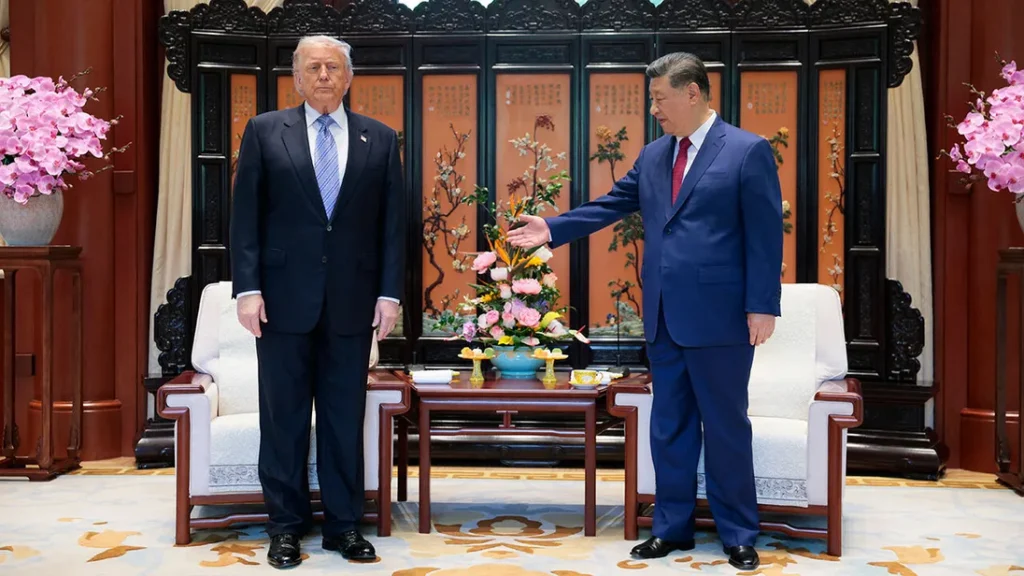
The conference room in Beijing was silent except for the soft hum of air conditioning. On one side of the polished mahogany table sat American negotiators, their faces etched with the strain of a nation trying to rebuild. On the other side, Chinese officials were calm, composed, like grandmasters who had already seen the endgame. This was not just a meeting about tariffs or supply chains; it was a story of two economies at a crossroads, where one held a decisive advantage. The United States, still reeling from the economic shockwaves of the so called “post war” period, wanted rehabilitation. China, with its resilient manufacturing backbone and strategic foresight, was ready to deal, but on its own terms.

To understand this imbalance, we must travel back to the early 2020s. The COVID 19 pandemic had rattled global supply chains, but China’s swift recovery and its dominant role as the world’s factory gave it an unexpected lever. While the US struggled with inflation, labor shortages, and a fractured political landscape, China invested heavily in technology, infrastructure, and trade partnerships. The US, desperate to stabilize its economy, found itself needing Chinese goods, Chinese markets, and Chinese cooperation more than ever. This asymmetry became the bedrock of China’s advantageous position.
The Chessboard of Economic Power
Imagine a chess match where one player has lost several key pieces and is scrambling to protect its king. That was the US economy in the aftermath of the trade war and pandemic. The US wanted to rehabilitate its “post war” economy, a term Bandied about in diplomatic circles to describe the economic hangover after years of conflict and disruption. Factories had moved overseas, domestic production had atrophied, and consumer debt was soaring. The US needed a new deal, one that could restore its industrial base and reduce dependency on adversary nations.
China, on the other hand, had played a long game. It had built an intricate web of bilateral trade agreements, invested in Belt and Road infrastructure, and stockpiled critical resources. Chinese negotiators knew that the US could not afford to walk away from the table. Every tariff imposed on Chinese goods ended up being paid by American consumers. Every attempt to decouple supply chains only highlighted China’s indispensability. The advantage was clear, and Beijing used it masterfully.

The Art of the Deal, Chinese Style
In negotiations, timing is everything. China understood that the US was under domestic pressure to show results. The Biden administration needed a win to silence critics and demonstrate that it could tame inflation and bring back jobs. China, however, was not in a hurry. It could afford to wait, to let the US make the first concessions. This patience was a weapon. Chinese diplomats would listen, nod, and then quietly remind the Americans that they needed Chinese infrastructure for their green energy transition, Chinese rare earths for their defense industry, and Chinese pharmaceuticals for their healthcare system.
Every session became a delicate dance. The US would propose terms that favored American companies, but China would counter with demands for technology transfers, intellectual property protections, and market access. And because the US had fewer alternatives, it often conceded. The result was a series of agreements that, piece by piece, strengthened China’s position while offering only temporary relief to the US economy.
Why China’s Advantage is Structural, Not Just Cyclical
Some analysts argue that China’s advantage is temporary, a product of the US’s current economic woes. But a closer look reveals structural factors. China’s state directed capitalism allows for long term planning without electoral cycles. China can subsidize key industries for decades, while US companies face quarterly earnings pressure. Chinese universities produce more STEM graduates than the US, and its infrastructure is newer and more efficient. The US, meanwhile, is bogged down by political polarization, aging infrastructure, and a culture of short term profit taking.
The “post war” rehabilitation that the US seeks is not just about fixing the economy; it is about rebuilding the very foundations of American competitiveness. That requires decades of investment, consistent policy, and a national consensus, all of which are in short supply. China, on the other hand, is already moving to the next phase of economic development, focusing on high end manufacturing, artificial intelligence, and green technologies. The gap is widening, not narrowing.
The Human Side of the Story
Behind the macroeconomic data and diplomatic protocols are real people. Factory workers in Shenzhen, warehouse managers in Los Angeles, farmers in Iowa, and engineers in Shanghai, all are affected by these negotiations. The US worker who lost a job due to offshoring hopes for rehabilitation. The Chinese entrepreneur who built a global enterprise fears tariffs that could destroy her business. In the end, the advantage China holds is not just about trade deficits or exchange rates; it is about the ability to shape the future. The US wants to return to a past era of prosperity, but China is already building tomorrow.
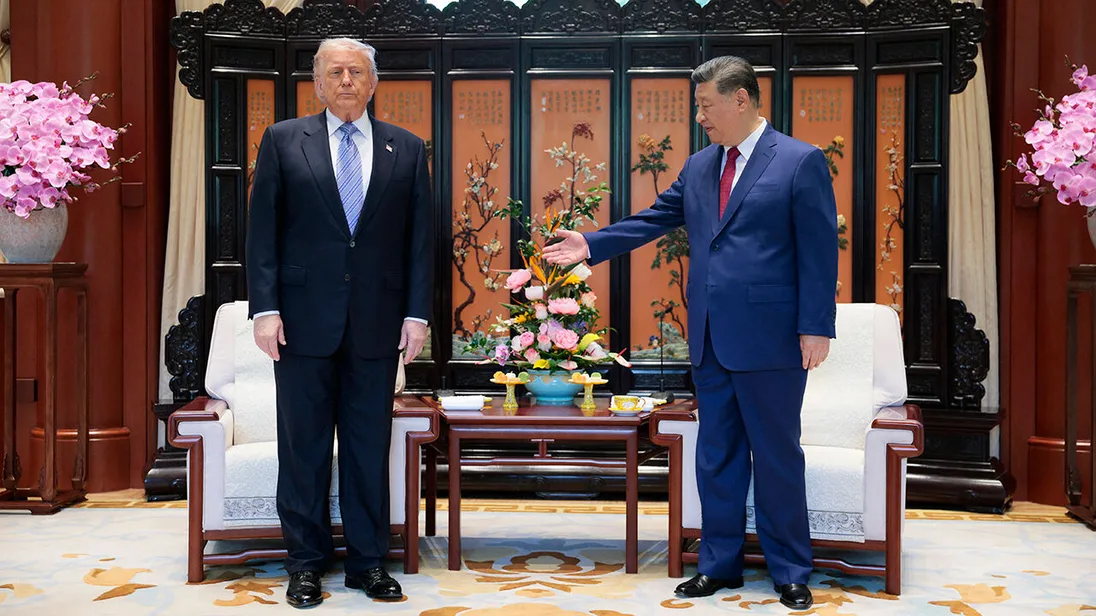
As the meeting in Beijing ended, the Chinese lead negotiator stood and extended a hand. The American counterpart hesitated, then shook it. The terms were set, and they were favorable to China. The world watched, knowing that this was not just a negotiation; it was a turning point in the balance of economic power. The story of China’s advantageous position is still being written, but one thing is certain: the US has a long and difficult road ahead to rehabilitate its postwar economy.