War on Iran Creates Internal Difficulties for Trump
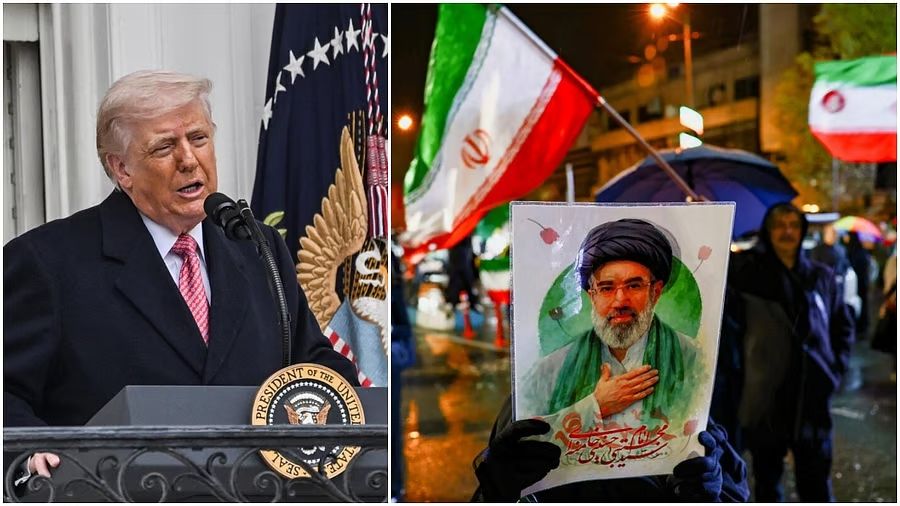
The looming specter of war with Iran has once again thrust the United States into a familiar and uncomfortable position. For President Donald Trump, the prospect of launching military strikes against Iran is not merely a foreign policy decision; it is a political minefield that threatens to fracture his own administration and ignite a constitutional crisis at home. 
The Constitutional Hurdle
The U.S. Constitution grants Congress the sole power to declare war, but the War Powers Resolution of 1973 further complicates any president’s ability to engage in prolonged hostilities without legislative approval. Trump’s predecessors, from Obama in Libya to Bush in Iraq, have often sidestepped this requirement, relying on broad Authorizations for Use of Military Force (AUMFs). However, the political climate in 2025 is far different. A war weary public, a divided Congress, and a vocal faction within Trump’s own Republican Party are demanding that any new conflict be explicitly authorized. This is not just a legal formality; it is a deep political wedge. The president’s executive authority is being tested like never before, and the internal battle lines are drawn.
The Legal Minefield
Legally, the administration is navigating a minefield. The 2001 Authorization for Use of Military Force, passed after 9/11, has been used to justify military action against terrorist groups worldwide. But Iran is a state sponsor of terrorism, not a terrorist organization itself. Stretching the AUMF to cover Iran would be a constitutional stretch, and many legal scholars argue it would be illegal. The 2002 AUMF for Iraq is even less applicable, as it was specifically for the Saddam Hussein regime. Trump’s own Department of Justice has offered conflicting opinions. In a secret memo, the Office of Legal Counsel reportedly concluded that the president has inherent authority to strike Iran to prevent a nuclear threat, but that opinion has been challenged by the State Department’s legal advisors. This legal uncertainty is fueling the internal paralysis. No one wants to be the lawyer who signs off on a war that could be later deemed unlawful.
Internal Opposition in the White House
Behind closed doors in the West Wing, a fierce debate rages. Hawks like former National Security Advisor John Bolton (whose influence still lingers) argue for a swift, decisive strike to cripple Iran’s nuclear program. They see a window of opportunity before Iran crosses the threshold. On the other side, cautious voices, including Secretary of Defense Mark Esper and Chairman of the Joint Chiefs General Mark Milley, warn of a quagmire. They point to intelligence assessments predicting that a war could kill tens of thousands, destabilize the entire region, and ignite a global recession. Trump, known for his impulsive decisions, has vacillated between tweets threatening annihilation and phone calls calling for restraint. This internal feud has paralyzed decision making, with leaks to the press becoming a daily ritual. One anonymous official described the atmosphere as a "toxic battlefield." 
The Military’s Unease
Perhaps most telling is the unease within the Pentagon. Senior military leaders have publicly and privately expressed their reluctance to engage in another war of choice. Admiral Mike Gilday, Chief of Naval Operations, testified before Congress that a war with Iran would be a "complex and costly" undertaking. Reports suggest that some commanders have requested written orders to ensure accountability, a tactic used to slow down aggressive moves. The military’s institutional memory of Iraq and Afghanistan is still fresh. They know that even a "limited strike" can spiral into a protracted conflict. This institutional resistance is a powerful check on impulsive action.
Congressional Resistance and Bipartisan Unity
On Capitol Hill, the resistance is bipartisan and resolute. Democrats, led by Senator Bernie Sanders and Representative Pramila Jayapal, have introduced legislation to explicitly block funding for any military action against Iran without congressional approval. More surprisingly, Republicans like Senator Rand Paul and Representative Thomas Massie have joined forces, arguing that the Constitution must be respected. The House Foreign Affairs Committee, under Chairman Eliot Engel, has held hearings questioning the administration’s legal justifications. Even some of Trump’s staunchest allies are uneasy. Senator Lindsay Graham, usually a hawk, has demanded a public debate before any strike. The result is a rare moment of unity across the aisle, but one that spells trouble for Trump. The president’s ability to project strength abroad is being undermined by the very system of checks and balances he often derides. 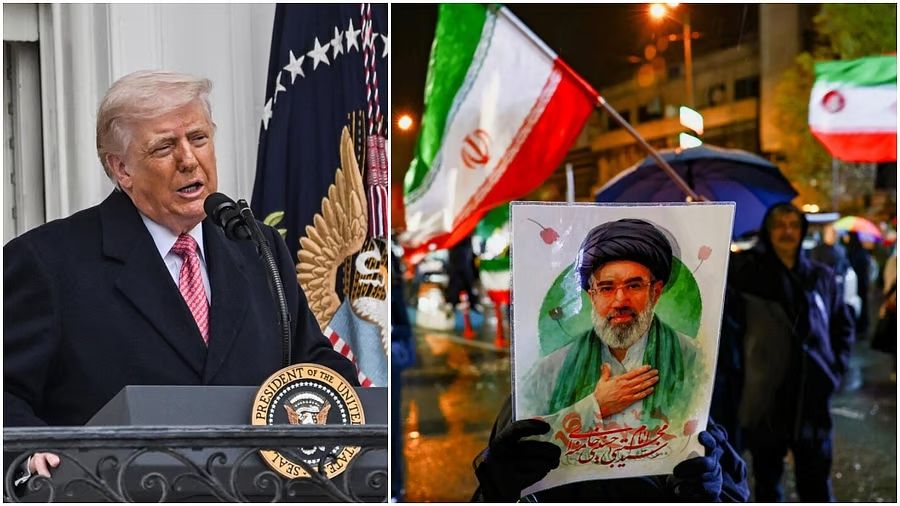 The looming vote on a War Powers resolution threatens to become a direct rebuke from both parties.
The 2024 Election Shadow
With the 2024 presidential election looming, the political calculus becomes even more complicated. Trump’s advisors are split on whether a war would help or hurt his reelection. Some believe a "rally around the flag" effect could boost his approval ratings. Others warn that a war would alienate his anti interventionist base, which includes many working class voters who supported him precisely because he promised to avoid foreign entanglements. Furthermore, any civilian casualties or draft talk could ignite a firestorm that no campaign could survive. The internal difficulties are thus magnified by the electoral calendar. Every decision is weighed against its impact on the ballot box.
Public Opinion and the Anti War Movement
The American public, still scarred by two decades of war in Afghanistan and Iraq, is overwhelmingly opposed to another conflict in the Middle East. Polls show that nearly 60% of Americans believe Trump should seek congressional approval before any strike. Grassroots organizations like CodePink, MoveOn, and Veterans for Peace have organized massive protests in Washington and across the country. Social media campaigns with hashtags like #NoWarWithIran have trended globally. Trump, who campaigned on a promise to end endless wars, now faces a credibility gap as he flirts with a new one. The internal difficulties are not just political; they are deeply personal for a president who prides himself on his base’s loyalty. His own supporters are divided: some see Iran as a necessary evil, others as a distraction from domestic issues. The anti war movement has found an unlikely ally in military veterans, many of whom have spoken out against another deployment. This grassroots pressure is forcing lawmakers in both parties to take a stand.
The Geopolitical Consequences
Internationally, the internal turmoil in Washington has emboldened Iran and confused allies. European powers, already frustrated with Trump’s withdrawal from the JCPOA, have refused to support any unilateral action. Russia and China see an opportunity to exploit the division, offering Iran economic and diplomatic support. Iran’s leadership has skillfully played the victim card, while continuing its nuclear advances. The lack of a unified U.S. stance has eroded deterrence and increased the risk of miscalculation. If Trump does launch a strike without Congress, he risks impeachment or a revolt from within his own military. If he does nothing, he appears weak. This is the trap of his own making. The world watches as the superpower’s internal dysfunction dictates the fate of millions.
Conclusion: A Presidency on the Brink
The irony is bitter. The president who vowed to drain the swamp finds himself trapped in a quagmire of his own creation. The war on Iran, intended to showcase American strength, has instead exposed the fractures at the heart of Trump’s presidency. Without congressional authorization, any military action would be legally dubious and politically suicidal. As the drums of war beat louder, the real battle may be waged not in the deserts of Iran, but in the hallways of the Capitol. The question remains: will Trump blink, or will he force a constitutional showdown? The answer will define not only his presidency but the future of American democracy. One thing is certain: the internal difficulties are only just beginning.