China Alone Accounts for 70% of Trade Within the BRICS, While Brazil Establishes Itself as an Essential Supplier of Food and Minerals
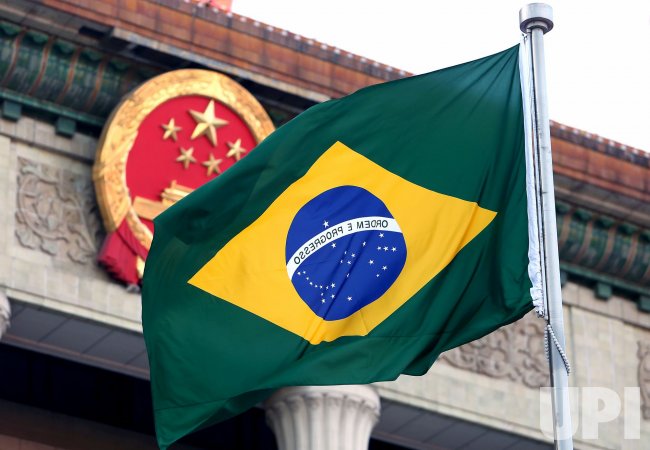
In a world increasingly shaped by shifting alliances and economic realignments, the BRICS bloc has quietly achieved a milestone that speaks volumes about its growing influence. In 2025, trade among the five founding nations Brazil, Russia, India, China, and South Africa surpassed the US dollar 1 trillion mark for the first time. But beneath that headline number lies a deeper story of dominance and dependence, of strategic suppliers and relentless engines. China alone now accounts for a staggering 70 percent of all intra BRICS trade, while Brazil has emerged as the indispensable pantry and mine of the group. This is not just a statistic; it is a narrative of economic transformation unfolding in real time.
The Rise of BRICS Trade
To understand the significance of the 1 trillion dollar figure, one must look at the trajectory. Over the past five years, intra BRICS trade has grown at an average annual rate of 4.75 percent, a pace that outstrips global trade growth in the same period. This steady expansion is no accident. It reflects deliberate efforts by member nations to deepen economic ties, reduce reliance on Western dominated systems, and build a parallel architecture of commerce. The bloc, which originally included only four nations and later added South Africa, now represents over 40 percent of the world population and roughly a quarter of global GDP. The trade flows between them are increasingly diversified, covering energy, technology, agriculture, and raw materials. Yet, the distribution of that trade is far from equal.
China: The Economic Engine
China percent contribution to intra BRICS trade is nothing short of extraordinary. At 70 percent, Beijing acts as both the locomotive and the fulcrum of the entire system. Chinese manufactured goods, electronics, machinery, and infrastructure components flow to other BRICS nations, while China imports vast quantities of raw materials and energy from its partners. For Russia, China has become the primary buyer of oil and gas following Western sanctions. For India, China remains the largest source of intermediate goods used in pharmaceuticals and electronics. For South Africa, Chinese demand for minerals like platinum and manganese has sustained mining sectors. But the relationship is not one sided. Brazil, for instance, sends massive amounts of soybeans and iron ore to China, creating a symbiotic loop that cements China role as the undisputed economic anchor. It is a role that comes with both influence and responsibility, as any slowdown in Beijing could ripple through all member economies.
Brazil: The Strategic Supplier
While China dominates the volume of trade, Brazil has carved out a niche that is equally strategic. The South American giant has positioned itself as the essential supplier of food and minerals within the BRICS ecosystem. Brazil is the world largest exporter of soybeans, coffee, sugar, and beef, and it holds vast reserves of iron ore, niobium, and other critical minerals. In 2025, Brazilian exports to other BRICS members surged, driven by Chinese appetite for agricultural and mining commodities. But Brazil is not merely a passive provider; it is leveraging its natural wealth to gain leverage in trade negotiations and to push for greater use of local currencies. The country has also invested in processing facilities to move up the value chain, exporting not just raw soy but also processed meal and oil. As global food security concerns mount, Brazil role as a reliable granary and mine for the bloc becomes ever more vital. Its ability to supply essentials gives it a quiet but powerful voice in BRICS discussions on everything from pricing to logistics.

De dollarization and National Currencies
One of the most telling trends within BRICS trade is the shift away from the US dollar. According to the data, 67 percent of intra BRICS transactions are now conducted in national currencies, a remarkable leap from just a few years ago. This de dollarization movement is driven by a desire to insulate trade from Western financial sanctions and to reduce exposure to US monetary policy. China has been at the forefront, promoting the yuan as a settlement currency for energy and commodity deals. Russia, under sanctions, has pivoted almost entirely to yuan and ruble for its BRICS trade. Brazil and India have also signed bilateral agreements to settle trade in their own currencies, bypassing the dollar entirely. While the dollar still dominates global trade overall, within BRICS it is becoming an exception rather than the rule. This trend not only strengthens the bloc autonomy but also accelerates the emergence of a multipolar currency system.
Future Outlook
As the BRICS bloc looks to the future, the 1 trillion dollar milestone is both a celebration and a challenge. With China accounting for such a massive share, there is an inherent imbalance that could create friction. Other members may push for more diversification, seeking to reduce their dependency on Beijing while still benefiting from its economic heft. Brazil, for its part, is likely to continue expanding its role as a supplier of food and minerals, but it will also need to invest in infrastructure and logistics to keep pace with demand. The expansion of BRICS to include new members such as Iran, Egypt, and the United Arab Emirates could further alter trade dynamics, adding new sources of energy and new markets for goods. The use of national currencies is expected to grow, potentially paving the way for a common BRICS payment system or even a shared digital currency. What is clear is that the bloc is no longer a loose forum for talk; it is a functioning economic network with real financial flows and strategic interdependencies. The story of BRICS trade is still being written, and the next chapter promises to be even more compelling.
Conclusion
The 1 trillion dollar trade milestone within BRICS is a testament to the group resilience and ambition. China stands as the overwhelming engine, driving 70 percent of all flows, while Brazil has emerged as the indispensable provider of the food and minerals that fuel modern economies. The shift to national currencies underscores a broader desire for financial sovereignty. As the world economy fragments and realigns, BRICS offers a glimpse of what a multipolar future might look like. For traders, policymakers, and observers, understanding these dynamics is not just interesting; it is essential. The bloc is no longer on the margins. It is at the center of a new economic geography.