Kazakh Sovereign Wealth Fund Makes History with Debut Panda Bond Sale on China Market
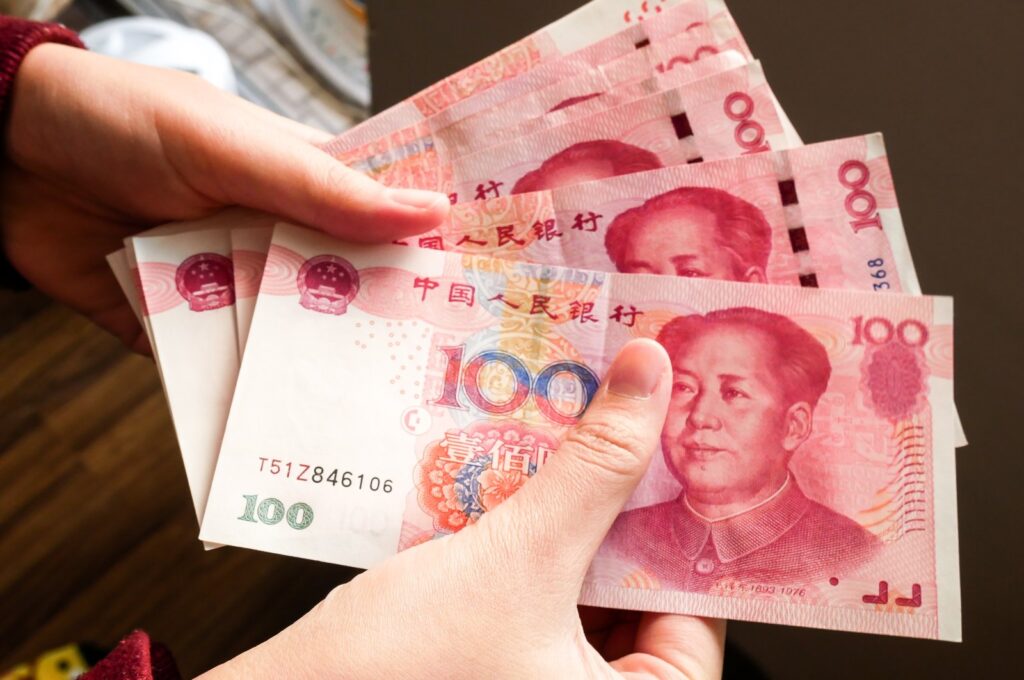
In the heart of Central Asia, a quiet revolution is brewing. It is not a political upheaval or a military maneuver, but a financial one. Kazakhstan, the vast steppe nation that has long served as a bridge between East and West, is preparing to issue its first ever Panda Bond on the Chinese mainland. The fund may seek to raise as much as 3 billion yuan in China, with proceeds financing priority projects in energy, petrochemicals, transportation and gas infrastructure. This is not merely a bond sale; it is a statement of intent, a signal that the financial Silk Road is being paved with renminbi.
A New Chapter in Sino Kazakh Relations
For decades, Kazakhstan has been a key partner in China’s Belt and Road Initiative, a sprawling network of infrastructure projects that crisscross Eurasia. From the icy pipelines carrying oil to the bustling dry port of Khorgos, the two nations have built a relationship grounded in pragmatism and mutual benefit. But the debut Panda Bond represents something deeper: a shift from physical infrastructure to financial infrastructure. By tapping into China’s domestic bond market, one of the largest and most liquid in the world, Kazakhstan is not just raising capital but also signaling its long term commitment to the yuan and to China’s vision of a multipolar global economy. The 3 billion yuan target, roughly $415 million, is a substantial sum, but it is the symbolic weight that truly matters. It tells the world that Kazakhstan is ready to diversify its funding sources and integrate with China’s financial ecosystem.
What Are Panda Bonds and Why Do They Matter?
Panda Bonds are renminbi denominated bonds issued in China by foreign entities. They allow issuers to access China’s enormous pool of domestic savings while offering Chinese investors a chance to diversify internationally. Since their inception, Panda Bonds have been used by sovereigns, supranationals, and corporations to tap into Chinese liquidity. For Kazakhstan, this debut is particularly strategic. It breaks the traditional reliance on Western debt markets and opens a door to a new investor base. Moreover, it aligns perfectly with the internationalization of the yuan, a key goal for Beijing. Every Panda Bond issuance adds depth and liquidity to the offshore yuan market, making it more attractive for trade and investment. By issuing in yuan, Kazakhstan also hedges against dollar volatility and strengthens its economic ties with its largest trading partner.
The Sectors That Will Benefit: Energy, Petrochemicals, Transport, Gas
The proceeds from the bond are earmarked for four priority sectors that form the backbone of Kazakhstan’s economy. In the energy sector, investments will likely target the modernization of aging thermal power plants and the expansion of renewable capacity, including wind and solar farms in the steppes. The petrochemical industry, a vital source of export revenue, will receive funding for new processing facilities to convert raw hydrocarbons into higher value products like plastics and fertilizers. Transportation infrastructure projects, including upgrades to the trans Caspian International Transport Route, will improve connectivity and reduce transit times for goods moving between China and Europe. Gas infrastructure is another critical area: Kazakhstan holds vast natural gas reserves, and new pipelines and processing plants will help it export more to China and beyond. These are not random choices. They are the pillars of Kazakhstan’s economic diversification strategy, aimed at reducing dependence on raw material exports and building a more resilient, technologically advanced economy. The Panda Bond thus becomes a catalyst for structural transformation.
A Story of Trust, Vision, and Calculated Risk
Behind every bond lies a story of trust. For China, accepting a Panda Bond from a sovereign wealth fund is a vote of confidence in Kazakhstan’s creditworthiness and governance. For Kazakhstan, it represents a willingness to operate under Chinese regulatory frameworks, which adds an extra layer of transparency and accountability. The fund, which manages assets derived from oil revenues, has a conservative investment profile, making this debut all the more significant. It is a calculated step into unknown territory, guided by a vision of a multipolar financial world where the yuan plays a central role. The timing is also telling. As global interest rates remain volatile and Western markets grapple with inflationary pressures, China offers a relatively stable and deep capital pool. By issuing a Panda Bond, Kazakhstan hedges its bets while signaling that its future is tied to the rise of Asia. There are risks, of course. Currency fluctuations, regulatory differences, and the need for robust investor relations are all challenges. But for a nation seeking to modernize and diversify, these risks are calculated. The opportunity to leapfrog into a new era of financing outweighs the uncertainties.
Regional Ripple Effects: A Gateway for Central Asia
Kazakhstan’s move could open the floodgates for other Central Asian nations and Belt and Road participants to follow suit. From Uzbekistan to Azerbaijan, sovereign funds and governments are watching closely. The Panda Bond market has grown steadily over the past decade, with issuers including the Asian Development Bank, the World Bank, and sovereigns like Hungary and Poland. But for a Central Asian country to enter this space is historic. It underscores the region’s growing economic clout and its desire to diversify financial partnerships beyond the traditional West and Russia. Moreover, this bond sale reinforces the role of the yuan as an international currency in the region. Each Panda Bond issuance adds liquidity and depth to the offshore yuan market, making it more attractive for trade and investment. For China, it is a win win: it promotes the yuan’s global usage while financing infrastructure projects that align with its Belt and Road goals. The bond is not just a financial instrument; it is a diplomatic tool that deepens ties and creates new channels of cooperation. 
Looking Ahead: What This Means for Global Finance
The Kazakh sovereign wealth fund’s debut Panda Bond is more than a funding exercise. It is a test case for how emerging economies can leverage China’s financial markets to drive development. If successful, it could inspire a wave of similar issuances from other resource rich nations along the Belt and Road. It could also accelerate the yuan’s journey toward becoming a truly global reserve currency. For investors, it offers a unique opportunity to gain exposure to Kazakhstan’s growth story through a low risk sovereign instrument. For Kazakhstan, it is a step toward financial sovereignty and a hedge against geopolitical uncertainty. The bond sale is expected to take place in the coming months, with roadshows and investor meetings scheduled in Shanghai and Beijing. The world will be watching. Because when a nation as strategically important as Kazakhstan chooses to raise capital in yuan, it sends a powerful message: the future of finance is not written in a single currency, but in the partnerships and bridges we build across continents.
Conclusion: The Financial Silk Road Takes Shape
As the Kazakh sovereign wealth fund prepares to launch its debut Panda Bond, it is doing more than raising 3 billion yuan. It is writing a new chapter in the story of global finance one where roads, pipelines, and petrochemical plants are funded not by dollars or euros, but by yuan. It is a narrative of ambition, pragmatism, and partnership. For Kazakhstan, this bond is a bridge to the future, linking its resource wealth with China’s financial power. For the world, it is a sign that the financial Silk Road is being paved, one bond at a time. Stay tuned. The Panda Bond market is about to get a fascinating new player from the heart of Eurasia.