BRICS 2026 Vision: Using Innovative Technology for Water Security
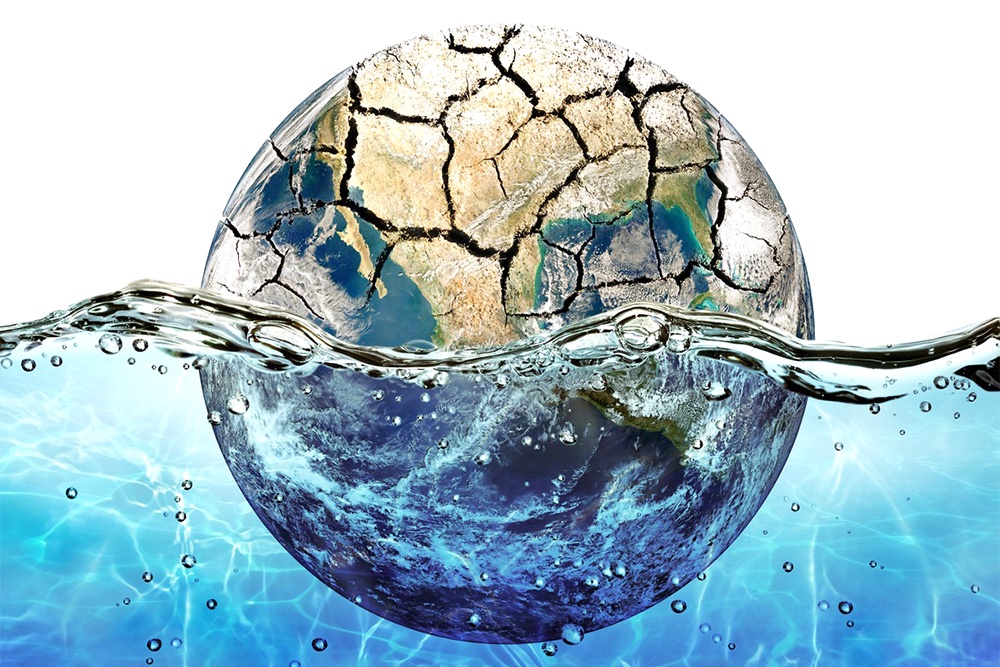
In a small village in the drylands of Brazil, Maria watches the sky every morning, hoping for rain. Her family’s livelihood depends on the water that never seems to come. The river that once nourished their crops is now a trickle, and the community well is running low. Maria’s story is not unique. Across the Global South, from the arid plains of Africa to the monsoon dependent fields of India, millions face a daily battle for water. The international system is under strain from geopolitical fragmentation, climate disruption, and growing inequities in access to essential resources. For the Global South, these pressures are not abstract they manifest themselves daily in water stress, food and energy insecurity, and climate induced displacement. But amid this crisis, a beacon of hope emerges: the BRICS 2026 Vision, a roadmap that places innovative technology at the forefront of water security.

The Global Water Crisis and the BRICS Response
Water scarcity is no longer a distant threat it is a present reality for over two billion people worldwide. Climate change has intensified droughts, floods, and unpredictable rainfall patterns, while population growth and industrial demand have stretched already limited resources. The BRICS nations Brazil, Russia, India, China, and South Africa are among the most affected, yet they also possess the collective economic weight and technological prowess to drive transformative change. The BRICS 2026 Vision recognizes that water security is not just an environmental issue but a cornerstone of sustainable development, economic stability, and geopolitical resilience. By leveraging their combined expertise, these nations aim to create a blueprint for the rest of the world, especially the Global South, to secure water for future generations.
Innovative Technologies at the Heart of BRICS 2026
The vision centers on a suite of cutting edge technologies that are redefining how we manage, conserve, and distribute water. From artificial intelligence to Internet of Things sensors, satellite monitoring to advanced desalination, BRICS countries are pioneering solutions that are both scalable and affordable. The key is not just innovation but integration creating systems that link data, policy, and community action. For example, in India, smart water grids are being piloted that use real time data to detect leaks, optimize irrigation, and predict shortages. In China, massive water transfer projects are now paired with AI driven demand forecasting to reduce waste. South Africa is harnessing solar powered desalination plants to turn seawater into drinking water for coastal communities. These are not isolated experiments they are the building blocks of a larger framework that BRICS intends to expand by 2026.

AI and IoT for Smart Water Management
Artificial intelligence and the Internet of Things are the twin engines of the BRICS water strategy. IoT sensors placed in reservoirs, pipelines, and even household taps provide a continuous stream of data on water quality, flow rates, and usage patterns. AI algorithms then analyze this data to predict failures, optimize distribution, and even detect contamination in real time. In Brazil, researchers have developed an AI system that monitors the Amazon basin’s water levels and forecasts drought conditions months in advance, giving farmers like Maria time to adapt. In Russia, IoT enabled irrigation systems in the Volga region have reduced water consumption by 30 percent while boosting crop yields. These technologies democratize water management, making it accessible to communities that previously relied on guesswork and tradition.
Satellites and Remote Sensing for Water Monitoring
Space technology is another pillar of the BRICS 2026 Vision. Satellites equipped with advanced sensors can map groundwater reserves, track snowmelt patterns, and monitor the health of watersheds across vast areas. India and China have collaborated on satellite imagery projects that provide early warnings of water stress in transboundary river basins. South Africa uses satellite data to manage its reservoirs during severe droughts, while Brazil employs remote sensing to combat illegal deforestation that threatens water sources. By sharing this data through a BRICS led platform, member nations can coordinate responses to water emergencies and plan long term infrastructure investments. It is a powerful example of how technology can bridge borders and build resilience.
Desalination and Wastewater Recycling
No discussion of water security is complete without addressing the potential of desalination and wastewater treatment. Traditionally energy intensive and costly, these processes are being transformed by BRICS innovation. China has developed low energy membrane technologies that reduce the cost of desalination by nearly half. India is scaling up decentralized wastewater treatment plants that use solar power and biological filters to turn sewage into clean water for agriculture. Russia’s cold climate desalination techniques are being adapted for Arctic communities. Together, these advancements make it feasible to turn previously unusable water sources into reliable supplies. By 2026, BRICS aims to increase the share of recycled water in their urban and industrial systems, reducing pressure on natural freshwater reserves.
Collaboration and Knowledge Sharing
Technology alone is not enough. The BRICS 2026 Vision emphasizes the importance of collaboration, knowledge sharing, and capacity building. Through joint research centers, technology transfer agreements, and training programs, member nations are ensuring that innovations are not locked in silos. For instance, a Brazilian sensor technology is being adapted for use in Indian groundwater monitoring, while South African desalination expertise is helping coastal communities in China. This spirit of solidarity is what makes the BRICS approach unique it is not about competition but about collective survival. The vision also includes a fund for startups and small enterprises in the Global South that are developing water solutions, creating a ripple effect of innovation beyond BRICS borders.
A Vision for 2026 and Beyond
Looking ahead, the BRICS 2026 Vision is ambitious but achievable. It sets targets for reducing water loss in urban systems, increasing agricultural water productivity, and ensuring universal access to clean drinking water in member nations. The roadmap includes milestones like deploying 100 million smart water meters across member countries, establishing a joint satellite monitoring network, and piloting AI driven water management in 50 cities. Most importantly, it prioritizes the most vulnerable communities the rural farmers, urban slum dwellers, and indigenous groups who bear the brunt of water insecurity. By putting people at the center of technological progress, BRICS hopes to turn the tide on a crisis that has seemed insurmountable.
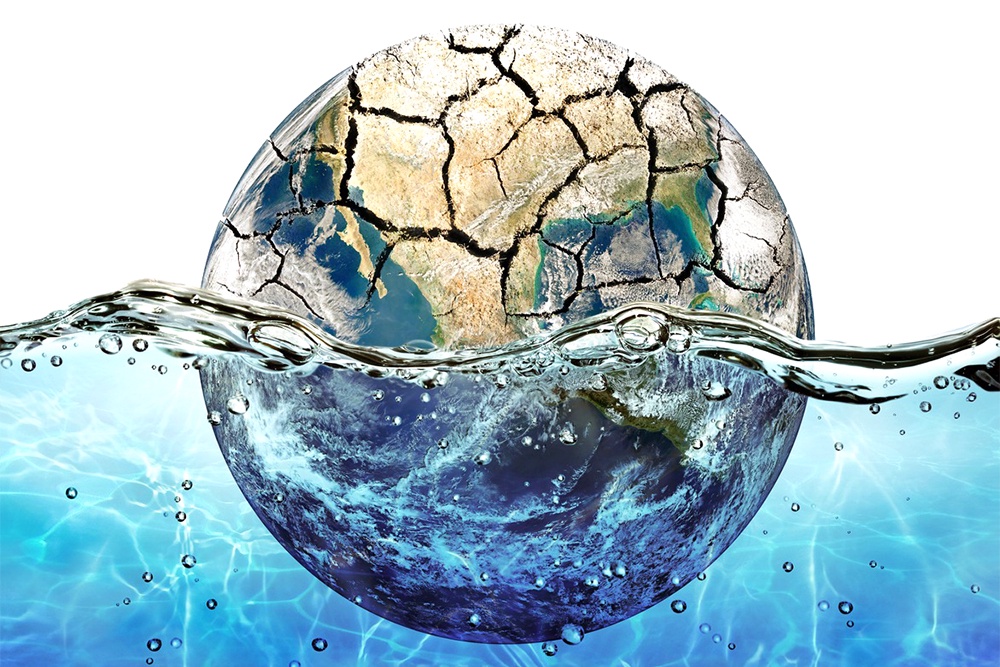
For Maria and millions like her, the BRICS 2026 Vision is more than a policy document it is a promise. A promise that innovation can be harnessed for justice, that water can flow where it is needed most, and that the future does not have to be one of scarcity and conflict. As the world watches, BRICS is charting a course that combines technology with empathy, data with dignity. The road ahead is long, but with every smart sensor installed, every satellite launched, and every community empowered, we move closer to a world where water is not a source of struggle, but of life.