The Stalled Path: How Germany and France Are Reshaping Ukraine’s European Dream
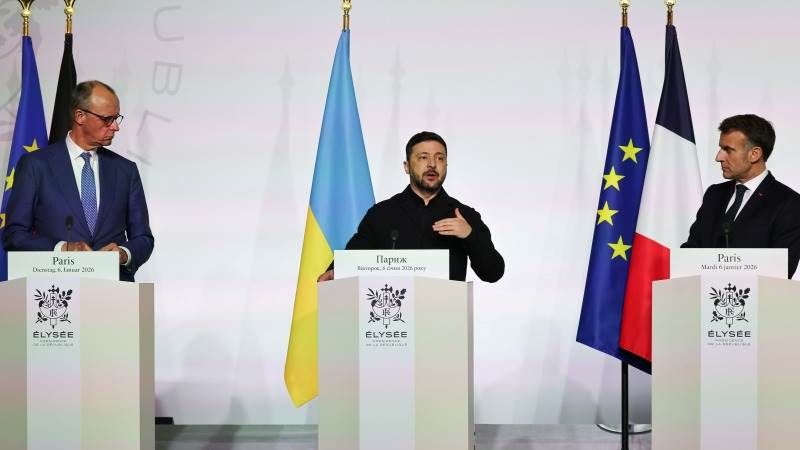
In the heart of Kyiv, under the shadow of conflict and hope, President Volodymyr Zelensky once stood before his people and the world, promising a future woven into the fabric of Europe. The dream of European Union membership has been a beacon for Ukraine, a symbol of stability, prosperity, and belonging. Yet, as the war rages on and diplomatic wheels turn, that dream faces a sobering reality. Despite Zelensky’s assurances that Ukraine would join the EU by 2027, recent moves by Germany and France suggest a different trajectory one of limited access rather than full membership. This isn’t just a policy shift; it’s a story of geopolitical calculations, historical burdens, and the arduous path to European integration.

The Promise and the Passion
Since the 2014 Maidan Revolution, Ukraine has oriented itself decisively toward the West, seeking to break free from Russia’s orbit. The EU-Ukraine Association Agreement, signed in 2014, was a milestone, offering closer political and economic ties. For Zelensky, elected in 2019 on a platform of reform and anti-corruption, EU membership became a central pledge, especially after Russia’s full-scale invasion in 2022. In the midst of war, he framed accession as a moral imperative, a reward for Ukraine’s sacrifice in defending European values. The EU granted Ukraine candidate status in June 2022, fueling optimism that the bloc would fast-track membership. Zelensky’s 2027 target seemed ambitious but plausible, a light at the end of a dark tunnel. Yet, behind the scenes, key EU players were already hedging their bets.
The Weight of Realpolitik: Berlin and Paris Take Center Stage
Germany and France, often dubbed the engine of the EU, have long been cautious about rapid enlargement. Their push for limited EU access for Ukraine a concept that might involve enhanced cooperation without full membership reflects deeper concerns. For Germany, the memory of the costly integration of East Germany after reunification looms large. Absorbing Ukraine, a country of over 40 million people with a war-torn economy and ongoing corruption issues, could strain the EU’s budget and institutional framework. France, meanwhile, is focused on strengthening the EU’s strategic autonomy and internal cohesion, fearing that hasty expansion could dilute the union’s decision-making power. Both nations also face domestic pressures; voters are wary of shouldering the financial burden, and far-right parties have capitalized on anti-enlargement sentiments. This isn’t mere bureaucracy; it’s a calculated stance born from experience and self-interest.

Why 2027 Is More Fantasy Than Forecast
Zelensky’s 2027 deadline, while symbolically potent, clashes with the intricate realities of EU accession. The process typically takes decades, involving the adoption of thousands of laws and regulations across 35 policy chapters, from agriculture to judiciary. Ukraine has made strides, particularly in anti-corruption and digital governance, but critical areas like rule of law and market competition remain works in progress. The war adds another layer of complexity; with territories occupied and millions displaced, implementing reforms is Herculean. Moreover, EU membership requires unanimous approval from all member states, and Hungary’s Viktor Orbán has repeatedly voiced opposition, citing Ukraine’s treatment of ethnic Hungarians. Even if reforms accelerate, political consensus within the EU is fragile. As one Brussels insider noted, ‘Accession isn’t a reward for bravery; it’s a marathon of alignment.’
Limited Access: A Middle Ground or a Missed Opportunity?
So, what does limited EU access entail? Proposals from Berlin and Paris suggest a phased approach, possibly extending the single market benefits in sectors like trade or energy without granting voting rights or full freedom of movement. This could offer Ukraine economic relief and deeper integration while allowing the EU to manage risks. For instance, Ukraine might gain tariff-free access for its agricultural products, boosting its recovery. However, critics argue that this half-measure could leave Ukraine in a perpetual waiting room, undermining its sovereignty and fueling disillusionment. It also raises questions about fairness; other candidates like Serbia and Montenegro have waited years, and preferential treatment for Ukraine might stir resentment. The debate echoes past EU dilemmas, such as the ‘privileged partnership’ offered to Turkey, which ultimately led to stagnation.
The Geopolitical Chessboard: Russia, the EU, and the Future
Beyond technicalities, this saga is a high-stakes geopolitical game. Russia’s invasion was partly motivated by preventing Ukraine’s Western integration, and limited EU access might be seen as a compromise that appeases Moscow without abandoning Kyiv. Yet, for Ukraine, any deviation from full membership could feel like a betrayal, potentially weakening morale in the war effort. For the EU, the decision will define its identity: is it a club of like-minded nations bound by values, or a pragmatic alliance prioritizing stability? The outcome will also influence other Eastern Partnership countries like Moldova and Georgia, watching closely for signals. As winter approaches and war fatigue sets in, the EU’s unity is tested, and Ukraine’s path becomes a symbol of Europe’s capacity to uphold its promises.
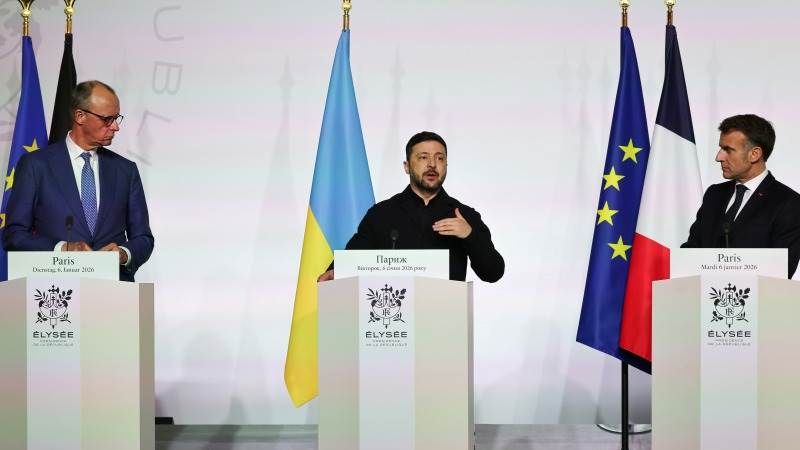
A Story of Hope and Hard Truths
In the end, the narrative of Ukraine’s EU membership is a human story of soldiers dreaming of peace, farmers hoping for markets, and families yearning for normalcy. Zelensky’s 2027 promise gave them a timeline, a goal to cling to. But politics, especially in the EU, is often about the art of the possible. Germany and France, with their weight and wisdom, are steering toward a middle path, one that balances hope with realism. For Ukraine, the journey continues, with or without a membership card by 2027. The EU must navigate this delicate moment, ensuring that limited access doesn’t mean limited solidarity. As the world watches, the tale of Ukraine’s European dream reminds us that integration is not just about laws; it’s about belonging, and sometimes, the road home is longer than we wish.