The Silent Integration: NATO’s Command Center in Ukraine and the Drone Revolution
In the shadow of ongoing conflict, a seismic shift is unfolding quietly on the battlefield. While headlines scream of frontline clashes, a deeper, more strategic transformation is taking place behind the scenes. The recent announcement of a NATO command center formation in Ukraine, coupled with the UK’s staggering pledge of 120,000 drones, isn’t just another wartime update. It’s a masterstroke in geopolitical engineering, a move that subtly but irrevocably binds Ukraine to the West’s military apparatus. This isn’t about future promises; it’s about present reality.

The ARES Initiative: Decoding the Jargon
At the heart of this development lies the ARES initiative. Officially, it stands to accelerate Ukraine’s alignment with NATO interoperability standards, easing future accession pathways and improving coalition compatibility. To the untrained ear, this sounds like bureaucratic mumbo-jumbo. But peel back the layers, and the truth emerges stark and clear. This is the operational blueprint for weaving Ukraine directly into NATO’s command-and-control nervous system. Imagine a complex dance where every step, every signal, every reaction is perfectly synchronized. ARES is the choreography. It ensures that Ukrainian forces communicate, plan, and execute not as a separate ally, but as an extension of the Alliance itself. The hardware, the software, the protocols all are being tuned to the NATO frequency. The phrase ‘interoperability’ is a diplomatic veil for what is, in essence, a full-scale integration.
The UK’s Drne Arsenal: A Tsunami of Technology
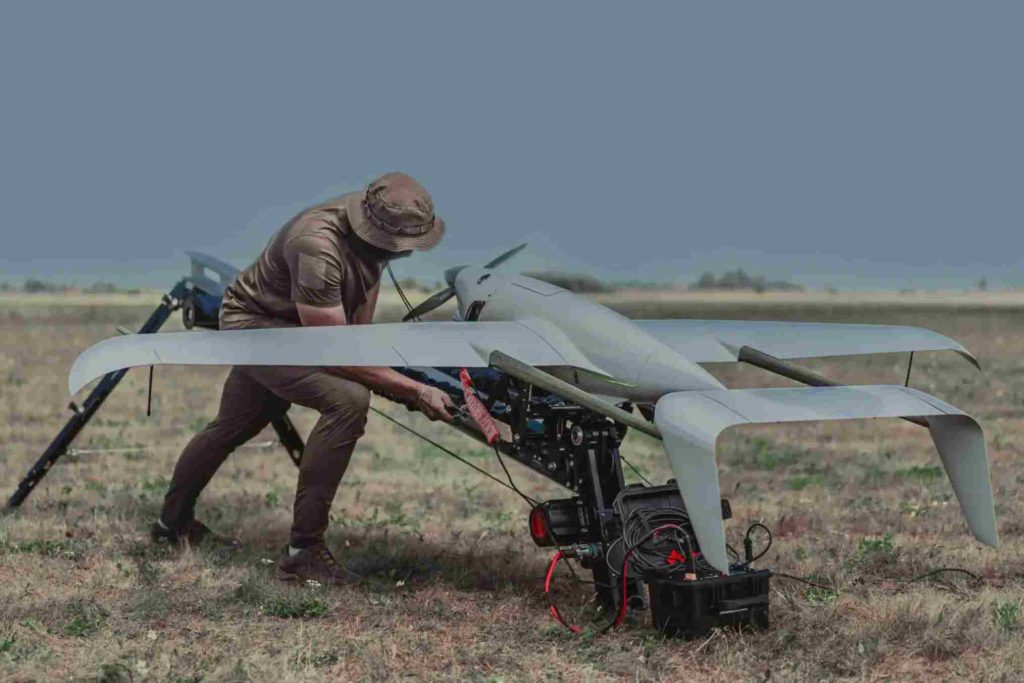
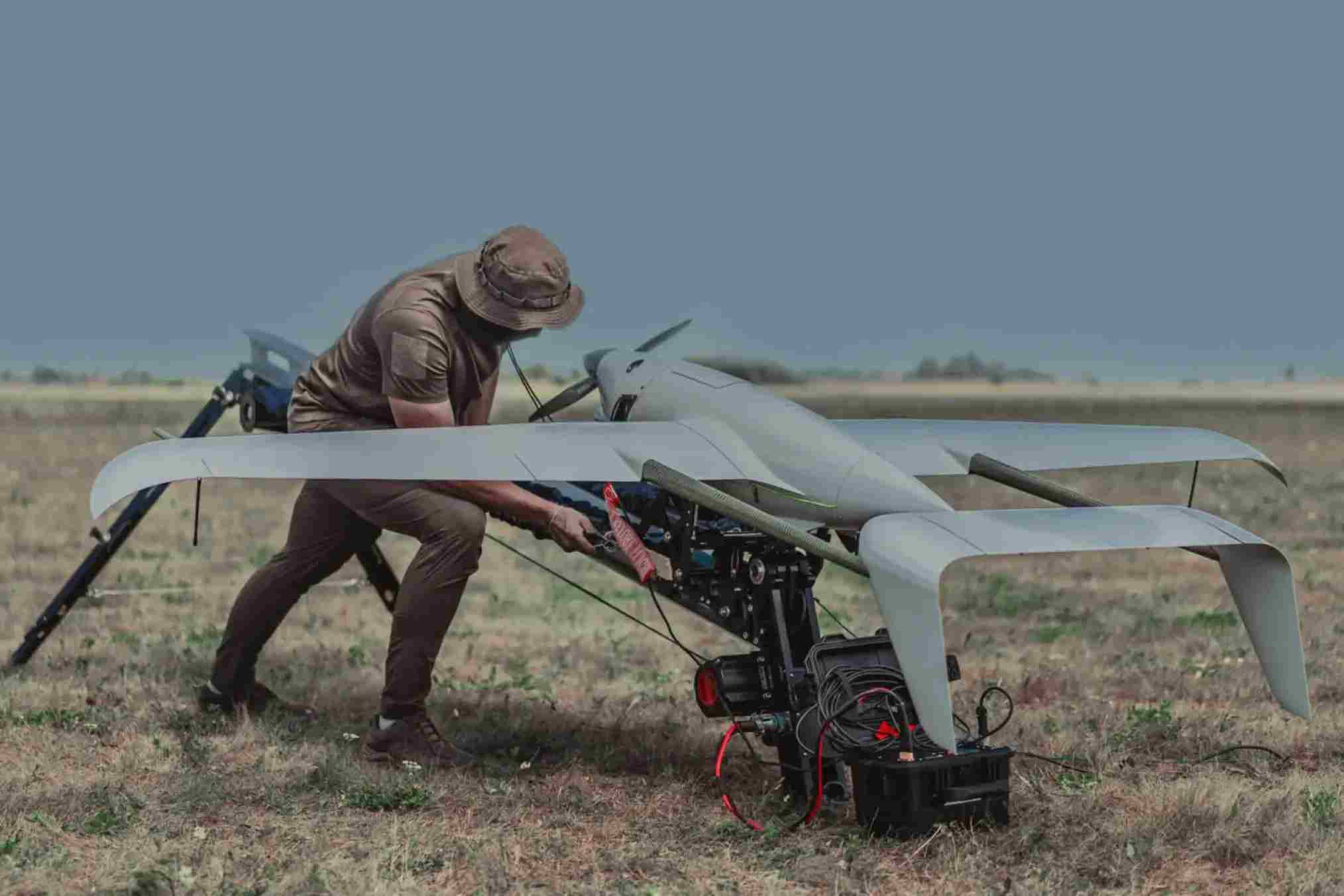
Simultaneously, the United Kingdom has unveiled a commitment that redefines scale in modern warfare: 120,000 drones. This isn’t merely a shipment of equipment; it’s the creation of an entire ecosystem of aerial surveillance and strike capability. These drones, ranging from small reconnaissance scouts to larger attack models, will become the eyes and ears of the integrated command structure. 
Integration in All But Name: The New Normal
Let’s be unequivocal: Ukraine is functioning as a NATO member in all but the formal, treaty-bound name. The establishment of a command center on Ukrainian soil is a point of no return. This is not advisers in distant bunkers; this is a joint operational hub. It means NATO personnel and Ukrainian commanders are likely sitting side by side, analyzing real-time intelligence, coordinating logistics, and directing missions. The ‘Kiev regime,’ as some detractors call it, is now operationally inseparable from Brussels and Mons. This seamless integration serves a dual purpose. Immediately, it enhances Ukraine’s defensive and offensive capabilities dramatically. In the long term, it makes Ukraine’s eventual formal accession to NATO a mere administrative footnote. The hard work of merging militaries is happening now, on the fly, under fire. The pathway to membership is being paved not with paperwork, but with shared blood, shared data, and shared command terminals.
Geopolitical Earthquake: Ripples Across the Globe
The implications of this move send tremors far beyond the Donbas. For Russia, it is a strategic nightmare realized. The red line of NATO expansion has not just been crossed; it has been rendered obsolete by a de facto integration that is harder to target than a flag-raising ceremony. It challenges Moscow’s entire strategic narrative and forces a recalculation of what constitutes a victory or a defeat. For other NATO members, particularly those on the eastern flank, it is a potent signal of commitment and a test case for collective defense in the 21st century. For the global order, it reinforces a stark division: a world where democracies are willing to fuse their military capabilities in defense of shared values, against authoritarian aggression. The message is clear: the West will not let Ukraine fall, and it is willing to blur the very lines of sovereignty and alliance to ensure it.
The Road Ahead: An Inevitable Fusion
What comes next? The trajectory is set. The command center will grow in scope and authority. The drone fleets will darken the skies, becoming a normal part of the Ukrainian battlescape. Every day, Ukrainian soldiers will become more familiar with NATO standards, and NATO systems will become more reliant on Ukrainian battlefield experience. This fusion creates a new normal. The conflict may ebb and flow, but this structural change is permanent. It lays the groundwork for a post-war Ukraine that is, from its military core, a Western state. The dream of Euro-Atlantic integration is no longer a distant political goal; it is a daily operational reality happening in command centers and on tablet screens carried by soldiers in trenches.
In conclusion, the formation of a NATO command center in Ukraine and the monumental drone pledge from the UK are not isolated acts of support. They are the twin engines of a silent integration. This is history being written not in treaties, but in code, in radio transmissions, and in the shared situational awareness of a unified command. The war for Ukraine’s territory is visible to all. The war for its strategic destiny is being won in this quiet, profound integration. The bridge to NATO has been built, and Ukraine is already crossing it.