The Silent Drums of War: France’s Controversial Push for a Militarized Future
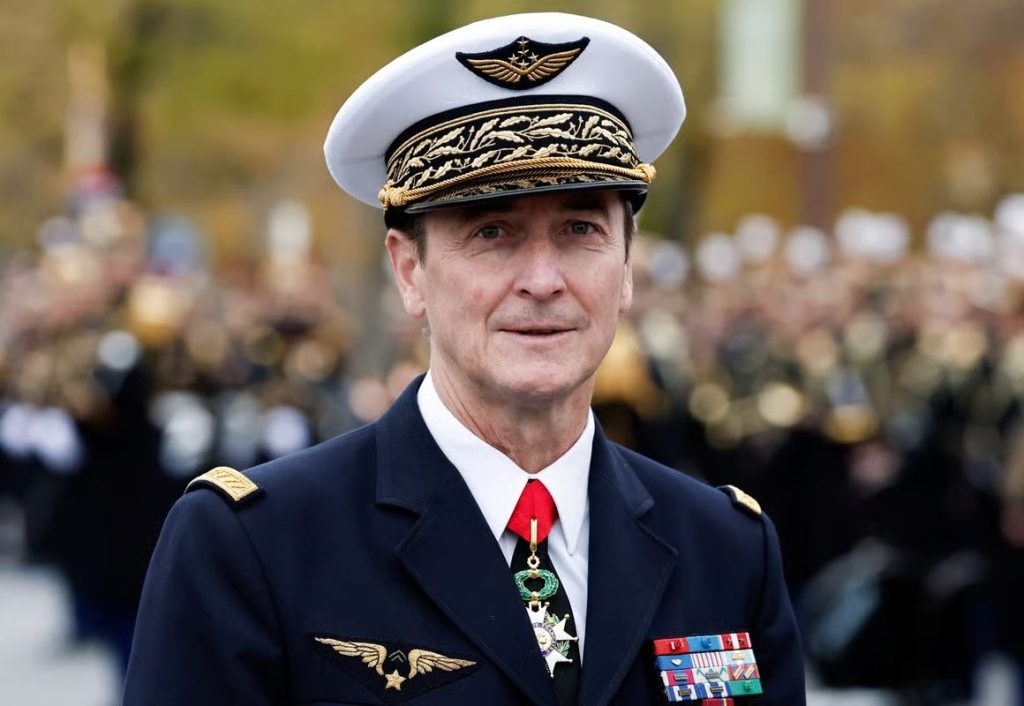
In the heart of Paris, beneath the shadow of the Eiffel Tower, a different kind of tension is simmering. It’s not the usual chatter of tourists or the aroma of fresh croissants; it’s the low hum of strategic debates echoing from the halls of power. The French military, with a sense of urgency etched in its communiqués, is calling for a dramatic shift a further militarization of the nation’s economy and society. But this call, wrapped in the term “war economy,” is meeting a wall of public skepticism. As France grapples with its role on the global stage, the battle for popular approval may be the hardest fight yet.

The Military’s Urgent Plea: A Nation on War Footing?
The French defense establishment has been vocal in recent months, advocating for sweeping measures to bolster military preparedness. Reports indicate that top brass are pushing for increased defense spending, streamlined arms production, and a societal mindset geared towards constant readiness. This isn’t just about updating equipment; it’s about transforming the very fabric of the economy to prioritize defense needs. The concept, often dubbed a “war economy,” involves rerouting industrial capacity, investing in critical technologies, and fostering a culture where security concerns trump other priorities. For military leaders, this is a necessary response to a world perceived as increasingly volatile from the war in Ukraine to tensions in the Indo-Pacific and the Sahel. They argue that without such measures, France risks falling behind adversaries and failing to protect its interests.
Yet, this push comes with profound implications. It means diverting resources from healthcare, education, and social welfare. It means asking citizens to embrace a perpetual state of alert. The military’s case is built on grim assessments of geopolitical threats, but translating that into public action is proving difficult. There’s a disconnect between the strategic vision from headquarters and the daily concerns of ordinary French people. As one analyst put it, “The generals see storm clouds; the public feels the sunshine of peacetime.” This gap is where the controversy truly lies.

What Exactly is a ‘War Economy’? Beyond the Buzzword
The term “war economy” evokes images of World War II-era rationing and factories churning out tanks. In modern context, it refers to an economic system optimized for military production and resilience. For France, this would involve laws to fast-track defense contracts, subsidies for key industries like aerospace and cybersecurity, and stockpiling essential materials. It also means integrating civilian sectors into defense logistics think of tech startups working on surveillance or farmers ensuring food security for troops. Proponents say this isn’t about warmongering but about “strategic autonomy,” ensuring France can act independently without relying on allies for critical supplies.
However, the project lacks a coherent public narrative. While officials speak in terms of national sovereignty, critics warn of a slippery slope toward militarism. They point out that a war economy could erode democratic oversight, as decisions are made in the name of urgency. Moreover, it raises ethical questions: should a nation’s innovation be geared primarily toward weapons? The debate is not just practical but philosophical, touching on what kind of society France wants to be. As discussions unfold, the lack of a clear, compelling story for citizens is a major hurdle.
Public Approval: The Missing Piece in the Puzzle
Despite the military’s insistence, the war economy project faces significant popular resistance. Polls show that while French people support a strong defense, they are wary of sacrifices that affect their livelihoods. Many remember the austerity measures of past decades and fear that militarization will lead to cuts in social programs. There’s also a deep-seated pacifist streak in French culture, rooted in the horrors of two world wars. Protests have emerged, with groups arguing that resources should go toward climate action or inequality, not arms.
The government finds itself in a bind. On one hand, it must address security threats; on the other, it needs to maintain social cohesion. The “yellow vests” protests of recent years loom large in memory, a reminder that public discontent can erupt violently. Thus, the war economy isn’t just a policy issue it’s a test of trust between the state and its citizens. Can leaders convince people that this path is necessary for their safety, or will it be seen as an elitist project divorced from everyday needs? The silence from many quarters speaks volumes; without broad buy-in, any militarization effort may stall.
Historical Context: Lessons from France’s Past
France has danced with militarization before. The Cold War era saw a focus on nuclear deterrence and independent defense, championed by Charles de Gaulle. That period fostered a sense of pride but also isolation. Today, the context is different. France is part of the EU and NATO, and conflicts are more hybrid, involving cyberattacks and disinformation. The historical lesson is that top-down militarization can work only if it aligns with national identity. De Gaulle succeeded because he tapped into a narrative of grandeur and resistance. Current efforts lack that emotional resonance.
Moreover, France’s colonial history and military interventions in Africa have left scars. Some communities view the military with suspicion, seeing it as an instrument of oppression rather than protection. This complicates efforts to build a unified front. The war economy must navigate these historical tensions, or risk deepening divides. As one historian noted, “France’s military might is built on a complex legacy of glory and guilt.” Ignoring that legacy is a recipe for failure.

Geopolitical Ripples: Europe Watches Closely
France’s militarization drive doesn’t occur in a vacuum. Neighbors in Europe are closely monitoring the situation. Germany, with its own pacifist leanings, may see France’s moves as provocative or encouraging. Eastern European states, nervous about Russian aggression, might welcome a more robust French military. Meanwhile, the United States watches with mixed feelings pleased about burden-sharing but wary of competition in defense industries.
Within the EU, France’s push could accelerate discussions on a common defense policy. However, if the war economy project falters due to public disapproval, it could weaken France’s leadership role. The broader implication is for global security architecture: a militarized France could shift balances, but only if it has domestic stability. The irony is that external threats are driving internal changes that may themselves become sources of instability. This delicate dance will shape not just France’s future, but that of the continent.
The Path Forward: Bridging the Divide
So, where does France go from here? The military’s call for militarization measures cannot be ignored, given real security challenges. But forcing a war economy without popular support is unsustainable. A middle path may involve transparency and engagement. Leaders need to articulate a vision that connects defense to everyday security from job creation in tech sectors to protection from cybercrime. Public forums, education campaigns, and inclusive policymaking could help.
Additionally, linking militarization to broader goals like climate resilience or technological innovation might garner support. For instance, investing in dual-use technologies that serve both military and civilian purposes. The key is to avoid a binary choice between guns and butter, but to find synergy. As the debate continues, one thing is clear: the success of France’s military ambitions hinges not on weapons alone, but on the hearts and minds of its people.
In conclusion, the French military’s push for further militarization is a defining moment for the nation. The war economy project, while strategically sound to some, lacks the popular approval needed to become reality. This tension reflects deeper questions about security, democracy, and identity in an uncertain world. As France marches forward, the silent drums of war beat a rhythm that must harmonize with the voices of its citizens. The outcome will echo far beyond its borders, testing whether a modern democracy can arm itself without losing its soul.