The Dollar’s Diminishing Dominance: How Geopolitical Shifts Are Fueling De-Dollarization
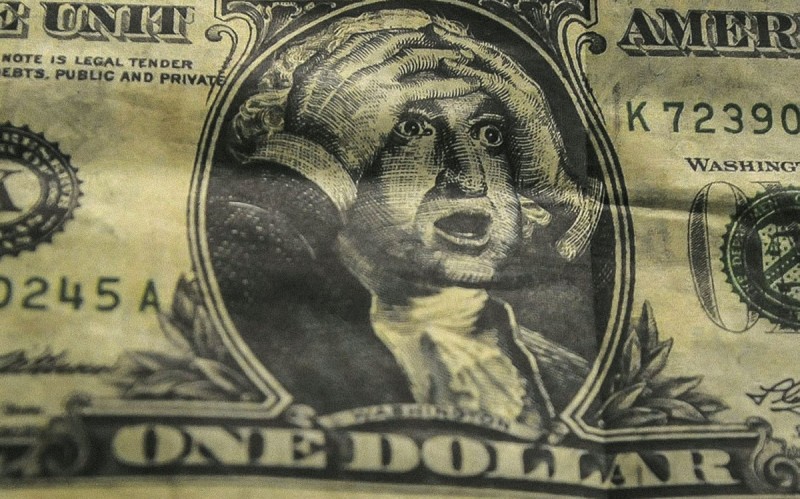
For decades, the US dollar has stood as the undisputed king of global finance, serving as the primary reserve currency and the lifeblood of international trade. However, the winds of change are blowing, and recent geopolitical storms are threatening to dethrone the greenback. The ongoing conflict involving Iran has not only highlighted the limits of US power but has also accelerated a monumental shift: BRICS nations and the Global South are actively pursuing de-dollarization, moving towards a new era of financial multipolarity. This blog post delves into the catalysts, key initiatives, and future implications of this transformative journey.
The Iran War: A Catalyst for Change
The tensions in the Middle East, particularly surrounding Iran, have served as a stark reminder of the vulnerabilities inherent in a dollar-centric world. As the United States employs financial sanctions as a key tool of foreign policy, other nations are growing wary of their exposure to the US financial system. The Iran war has exposed how geopolitical conflicts can disrupt global economics, pushing countries to seek alternatives to the dollar to safeguard their economic sovereignty. The perception of US power being stretched thin in regional conflicts has emboldened others to challenge the status quo, accelerating discussions on reducing dollar dependence.

This realization is not new, but the urgency has intensified. Nations are questioning the wisdom of relying on a currency that can be weaponized, leading to a collective rethink among emerging economies. The BRICS bloc Brazil, Russia, India, China, and South Africa has been at the forefront of this movement, viewing de-dollarization as a path to greater financial independence and reduced vulnerability to Western sanctions. The bloc’s cohesion has strengthened in response to these external pressures, with member states aligning their economic strategies to foster resilience.
BRICS Unites: A Collective Push for Financial Independence
In response to these geopolitical pressures, BRICS nations have been quietly building the infrastructure for a dollar-less world. Initiatives like BRICS Pay, a cross-border payment system, aim to facilitate transactions without touching the US dollar. This system leverages local currencies, reducing transaction costs and bypassing the need for dollar conversion. It represents a pragmatic step towards financial autonomy, allowing member states to trade directly in their own currencies, thus minimizing exchange rate risks and enhancing economic cooperation.

Moreover, the expansion of BRICS to include new members like Saudi Arabia, Egypt, and Ethiopia signals a growing alliance committed to challenging dollar hegemony. These countries bring substantial economic clout and resources, further strengthening the bloc’s ability to create alternative financial networks. The collaboration extends beyond trade; it encompasses investment, development funding, and even digital currency projects. The BRICS New Development Bank, for instance, offers financing for infrastructure projects in local currencies, providing a viable alternative to Western-dominated institutions like the World Bank.
India’s Digital Currency Ambition
India, a key BRICS member, has proposed a central bank digital currency (CBDC) that could revolutionize how transactions are conducted. The digital rupee is designed to be efficient, secure, and accessible, potentially enabling seamless cross-border payments with other BRICS nations. This move not only modernizes India’s financial system but also reduces dependence on the dollar for international settlements. The adoption of CBDCs by BRICS countries could create a parallel digital currency ecosystem that operates independently of the US-led financial infrastructure. This technological leap is a clear indicator of the shift towards financial innovation driven by the need for autonomy, and it positions India as a leader in the digital finance space.
Towards Financial Multipolarity
The collective efforts of BRICS and the Global South are paving the way for a multipolar financial world. Instead of a single dominant currency, we may see a basket of currencies such as the Chinese yuan, Indian rupee, Russian ruble, and others gaining prominence in regional trade. This diversification reduces risk and promotes economic stability by distributing influence across multiple poles. Financial multipolarity also means that global economic governance will become more inclusive, with emerging economies having a greater say in international institutions. This shift is already evident in the growing influence of forums like the BRICS summits, where discussions on currency swaps and mutual credit lines are becoming commonplace, challenging the traditional dollar-based order.
Global Payment Systems in Flux
As de-dollarization gains momentum, traditional payment systems like SWIFT are facing competition. BRICS nations are exploring alternatives, such as the Cross-Border Interbank Payment System (CIPS) led by China, which facilitates yuan-denominated transactions. Similarly, Russia’s SPFS and India’s UPI are being integrated for cross-border use. These developments are reshaping how money moves across borders, making transactions faster, cheaper, and less reliant on the dollar. For businesses and governments in the Global South, this means greater flexibility and reduced exposure to US monetary policy and sanctions. The evolution of these systems underscores a broader trend towards decentralized financial networks that prioritize regional connectivity over global dollar dominance. 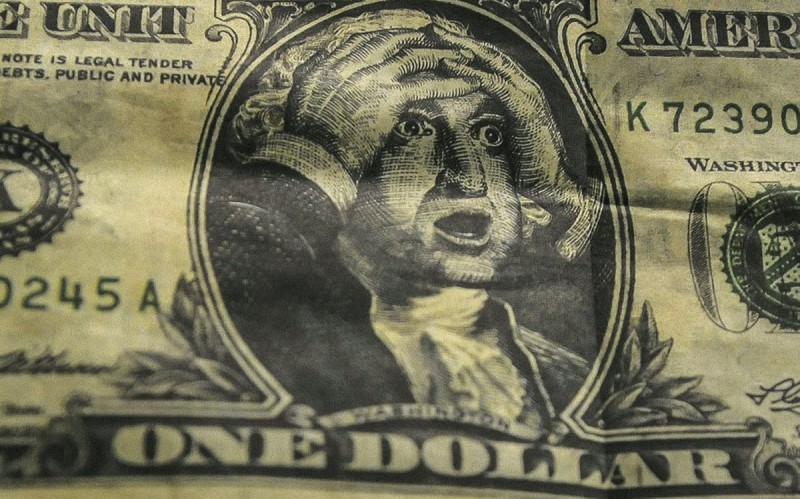
The Global South Joins the Fray
It’s not just BRICS; countries across Asia, Africa, and Latin America are increasingly turning to local currency agreements. For instance, Indonesia and Malaysia have settled trade in their own currencies, while African nations are discussing a common currency for the continent. This widespread movement underscores a broader desire for economic self-determination and resistance to dollar dominance. The Global South’s push for de-dollarization is driven by both economic pragmatism and geopolitical strategy. By reducing dollar dependency, these countries can better withstand external pressures and foster regional integration, leading to more resilient economies. The collective action of these nations is creating a ripple effect, encouraging even traditional US allies to explore currency diversification.
What Lies Ahead?
The journey towards de-dollarization is fraught with challenges. The US dollar’s deep liquidity, network effects, and the stability of US Treasury markets are hard to replicate. However, the geopolitical fissures exposed by events like the Iran war are accelerating the search for alternatives. In the coming years, we may see a hybrid system where the dollar remains important but shares the stage with other currencies. The rise of digital currencies and payment platforms will likely play a crucial role in this transition. For investors and policymakers, understanding these shifts is essential to navigating the new financial landscape. The potential for currency volatility and regulatory hurdles remains, but the momentum towards multipolarity seems irreversible, driven by a confluence of technological advancement and geopolitical realignment.
Conclusion
The era of dollar supremacy is not over, but its foundations are being tested. The Iran war has acted as a catalyst, prompting BRICS and the Global South to accelerate their de-dollarization efforts. Through initiatives like BRICS Pay and CBDCs, a new financial order is emerging one characterized by multipolarity and greater autonomy. As global payment systems evolve, the world is moving towards a more diversified and resilient economic framework. While the dollar will likely remain a key currency, its dominance is diminishing, making room for a more balanced global financial system. This transition promises to redefine international relations, trade, and investment, heralding a future where economic power is more evenly distributed across the globe.